Understanding the Efficiency of Water Mist Hoods in Commercial Kitchens
Discover how water mist hoods enhance kitchen air quality, improve fire safety, and boost energy efficiency in contemporary commercial cooking environments.
 alkhaleejkitchen
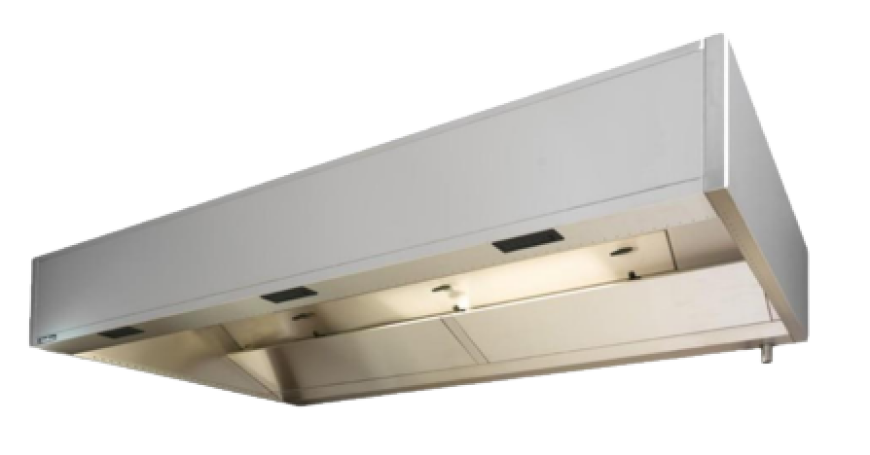
In commercial kitchens, safety and cleanliness are top priorities. With continuous cooking operations generating heat, grease, and smoke, maintaining proper air quality and fire safety becomes crucial. One modern solution designed to address these challenges is the water mist hood. This advanced ventilation system not only improves air quality but also enhances fire prevention, making it an essential component for professional kitchen environments.
What is a Water Mist Hood?
A mist hood, also known as a water mist hood, is a specialized kitchen ventilation system that uses fine water sprays to cool, filter, and suppress grease particles in the air. Unlike traditional hoods that rely solely on filters and exhaust fans, water mist hoods integrate a continuous misting process to reduce grease accumulation and lower the temperature within the hood.
The system combines high-efficiency grease filtration with a water mist mechanism that traps airborne grease before it adheres to internal surfaces, significantly reducing the risk of fire and the need for frequent cleaning.
How Does a Water Mist Hood Work?
The water mist hood operates through a simple yet effective process:
-
Mist Generation: Fine droplets of water are sprayed within the hood during cooking operations.
-
Grease Suppression: The mist captures grease particles from rising vapors, preventing them from entering the exhaust ducts.
-
Air Cooling: The mist cools the surrounding air, improving the comfort level in the kitchen.
-
Fire Prevention: In case of excessive heat or flames, the mist helps suppress potential fires instantly.
This continuous process maintains a cleaner kitchen environment and prolongs the lifespan of the ventilation system.
Benefits of Using a Water Mist Hood
1. Enhanced Fire Safety
By reducing grease buildup and maintaining cooler air within the exhaust hood, the system significantly minimizes the risk of fire hazards — a common concern in busy kitchens.
2. Improved Air Quality
The misting action captures airborne contaminants and odors, ensuring a cleaner and more breathable environment for kitchen staff.
3. Reduced Maintenance
Traditional hoods often require frequent cleaning due to grease accumulation. A mist hood reduces this buildup, lowering maintenance costs and downtime.
4. Energy Efficiency
The cooling effect of the mist reduces the load on air-conditioning systems, improving overall energy efficiency.
5. Compliance with Safety Standards
In cities like Dubai, commercial kitchens must comply with strict ventilation and fire safety regulations. A water mist hood supports compliance by combining filtration and fire suppression in one system.
Applications in Commercial Kitchens
Water mist hoods are widely used in restaurants, hotels, catering facilities, and large-scale food production units. They are especially effective in kitchens with heavy frying or grilling operations, where grease and heat generation are high. Their ability to maintain air cleanliness and enhance safety makes them an ideal choice for modern culinary setups.
Conclusion
A water mist hood represents a smart, efficient, and safe approach to kitchen ventilation. By integrating misting technology with traditional exhaust functions, it enhances air quality, improves safety, and reduces maintenance needs. As commercial kitchens in Dubai continue to embrace innovation, systems like the mist hood are setting new standards in sustainable and secure kitchen design.