Understanding the Different Types of Car Insurance Coverage
 kubricks
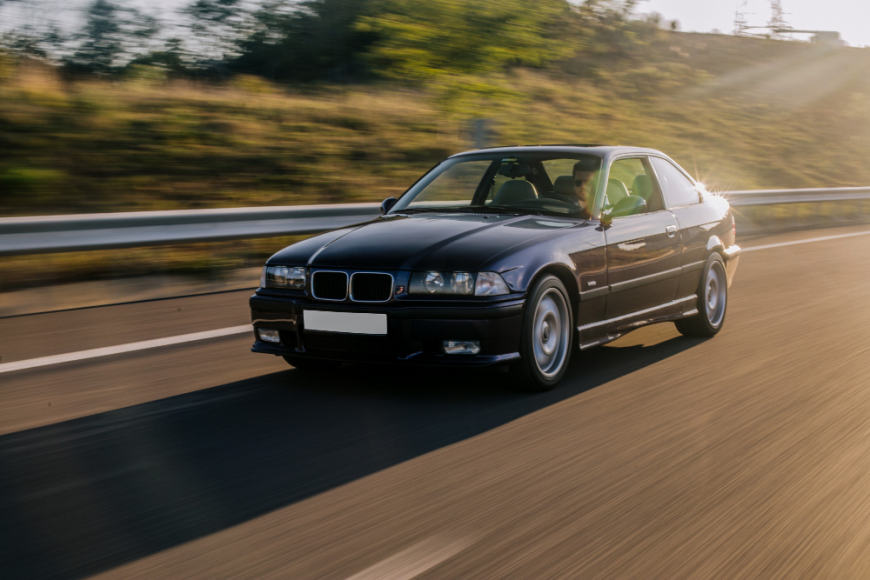
Car insurance is a legal and financial necessity for anyone who owns or drives a vehicle. However, with so many types of coverage available, understanding the different options can be overwhelming. The right car insurance policy provides essential protection against accidents, theft, and other risks associated with driving. In this article, we’ll break down the different types of car insurance coverage, explaining what each covers and why it’s important for drivers to make informed choices.
The Importance of Car Insurance Coverage
Car insurance is designed to protect drivers financially in the event of an accident or loss. Without the right coverage, you could be liable for significant expenses if you're at fault in an accident or if your vehicle is damaged or stolen. Insurance companies provides a safety net, covering the costs of damages, medical bills, and even legal fees.
Most states require drivers to carry at least a minimum level of coverage, while others allow drivers to choose their coverage based on personal preferences and needs. Understanding the different types of car insurance coverage can help you determine which options are best suited to your driving habits, your vehicle, and your budget.
1. Liability Coverage
What It Covers:
Liability coverage is the most basic and required form of car insurance in almost every state. It covers the costs associated with damage or injury you cause to others in an accident for which you are at fault. Liability insurance is split into two parts:
-
Bodily Injury Liability (BI): This covers the medical expenses, lost wages, pain and suffering, and legal fees for people who are injured in an accident that you caused. It can cover medical costs for the driver, passengers, and pedestrians.
-
Property Damage Liability (PD): This covers the cost of repairing or replacing property that you damage in an accident. This could include another person's car, a building, a fence, or any other property that might be damaged in the event of an accident.
Why It’s Important:
Liability coverage is mandatory in most states because it ensures that victims of an accident you cause are compensated. Without sufficient liability insurance, you could be held financially responsible for any damages, medical bills, or lawsuits arising from the accident. The minimum requirements for liability coverage vary by state, but it is often recommended to have higher limits to fully protect yourself financially.
2. Collision Coverage
What It Covers:
Collision coverage helps pay for the repairs to your vehicle if you collide with another vehicle or object, regardless of fault. Whether you hit a tree, a guardrail, or another car, collision coverage pays for the damages to your vehicle.
Why It’s Important:
If you are involved in an accident that damages your car, collision coverage can help cover the repair or replacement costs. It is particularly important for drivers with newer or more expensive vehicles, as the cost to repair or replace a vehicle can be significant. Collision coverage is optional, but it is often required by lenders if you finance or lease your vehicle.
3. Comprehensive Coverage
What It Covers:
Comprehensive coverage, also known as "other than collision," protects your vehicle against damage caused by incidents that aren't related to a collision. This includes:
-
Theft
-
Vandalism
-
Fire
-
Natural disasters (hurricanes, floods, earthquakes)
-
Falling objects (like tree branches)
-
Animal collisions (such as hitting a deer)
Why It’s Important:
Comprehensive coverage is essential if you want protection against risks beyond accidents, such as theft or damage from weather events. If you live in an area prone to natural disasters or high theft rates, comprehensive coverage can give you peace of mind that your vehicle is protected in these situations. Like collision coverage, comprehensive insurance is often required by lenders if you're financing or leasing your vehicle.
4. Uninsured and Underinsured Motorist Coverage (UM/UIM)
What It Covers:
Uninsured motorist coverage (UM) and underinsured motorist coverage (UIM) protect you if you’re involved in an accident with a driver who either has no insurance or doesn’t have enough insurance to cover the costs of the damages.
-
Uninsured Motorist Coverage (UM): This coverage kicks in if the at-fault driver doesn’t have any car insurance. UM pays for medical expenses, lost wages, and pain and suffering resulting from the accident.
-
Underinsured Motorist Coverage (UIM): UIM covers the costs when the at-fault driver’s insurance isn’t enough to cover the damages. For example, if the other driver’s liability insurance only covers $50,000 worth of damage but your medical bills are $75,000, UIM will help cover the remaining $25,000.
Why It’s Important:
Not all drivers carry enough insurance. If you’re involved in an accident with someone who is uninsured or underinsured, you could face hefty medical bills and repair costs that the at-fault driver’s insurance doesn’t cover. UM/UIM coverage ensures that you are financially protected in these situations, and it’s often recommended to carry this coverage, especially if you live in an area with a high percentage of uninsured or underinsured drivers.
5. Medical Payments (MedPay) and Personal Injury Protection (PIP)
What It Covers:
-
Medical Payments (MedPay): MedPay covers the medical expenses for you and your passengers, regardless of who is at fault in the accident. It typically covers hospital bills, doctor visits, and sometimes funeral expenses.
-
Personal Injury Protection (PIP): PIP is similar to MedPay but is more comprehensive. It not only covers medical expenses but may also cover lost wages, childcare, and other related expenses that arise from injuries caused in an accident. PIP is required in no-fault states.
Why It’s Important:
MedPay and PIP are crucial because they help you pay for medical expenses, no matter who is at fault. These coverages can be especially valuable if you don’t have health insurance or if your health insurance doesn’t cover accident-related injuries. PIP can also help cover lost wages or other costs that arise after an accident, helping you get back on your feet faster.
6. Gap Insurance
What It Covers:
Gap insurance covers the difference between what you owe on your car loan or lease and the actual cash value (ACV) of your vehicle if it’s totaled. In other words, if your car is stolen or destroyed, and you owe more on your loan or lease than the car is worth, gap insurance will cover the difference.
Why It’s Important:
If you’re financing or leasing a vehicle, gap insurance is a wise choice. Vehicles depreciate in value quickly, and if your car is totaled early in your loan or lease term, you could end up owing more than your car is worth. Gap insurance ensures that you won’t be stuck paying the remaining balance on a car you no longer have.
7. Rental Reimbursement Coverage
What It Covers:
Rental reimbursement coverage pays for the cost of a rental car while your vehicle is being repaired due to a covered incident (like an accident or theft). This coverage typically provides a daily rental allowance up to a specified limit.
Why It’s Important:
If your car is in the shop for repairs and you rely on it for daily commuting, rental reimbursement can help you maintain your transportation while your vehicle is being fixed. This coverage can save you from the inconvenience and cost of paying out-of-pocket for a rental car.
8. Towing and Labor Coverage
What It Covers:
Towing and labor coverage helps cover the costs of towing your vehicle if it breaks down or is involved in an accident. It may also cover the cost of minor roadside repairs, such as a flat tire, lockout, or dead battery.
Why It’s Important:
This coverage is helpful if you find yourself stranded on the side of the road. If your vehicle breaks down, towing and labor coverage can save you the cost of having your car towed to a repair shop or paying for emergency repairs. It’s often a good idea for those who drive frequently or in areas with limited access to service stations.
9. Classic Car Insurance
What It Covers:
Classic car insurance is a specialized policy for vintage, antique, or classic vehicles that are often driven less frequently and are usually valued much higher than standard cars. These policies cover everything from accidents to theft, and they often include agreed value coverage, meaning the insurer and policyholder agree on a fixed value for the car rather than using standard depreciation.
Why It’s Important:
Classic cars often require special care and restoration, and their value can be significantly higher than that of regular vehicles. Classic car insurance ensures that your vehicle is protected at a value that reflects its actual worth.
How to Choose the Right Car Insurance Coverage
When selecting car insurance coverage, it’s important to consider several factors, including:
-
State Requirements: Most states have minimum car insurance requirements, but these may not be enough to fully protect you. It's important to evaluate your situation and consider higher limits or additional coverage types.
-
Vehicle Value: The type and age of your car should influence the coverage you choose. New or valuable cars typically benefit from comprehensive and collision coverage, while older cars may only require liability insurance.
-
Driving Habits: If you frequently drive in high-risk areas, or if you commute long distances, you may want to invest in additional coverage, such as uninsured motorist protection, PIP, or rental reimbursement.
-
Personal Preferences: Your comfort level with risk and your financial situation should also influence your decision. If you have assets to protect, higher liability limits may be necessary.
Conclusion
Understanding the different types of car insurance coverage is essential for making an informed decision about the protection you need. Whether you opt for basic liability insurance or a more comprehensive policy that includes collision, comprehensive, and additional coverage options, the goal is to find a policy that meets your needs and provides financial security in case of an accident or unexpected event.
By evaluating your vehicle, driving habits, state requirements, and financial situation, you can select the right coverage and ensure that you're adequately protected. Always compare policies, ask questions, and work with a trusted insurer to tailor a policy that suits your lifestyle. The right car insurance coverage is an investment in your financial security, helping you drive with confidence and peace of mind.