Understanding the 5 Pranas: The Five Vital Energies in Yogic Philosophy
The 5 pranas are vital energies that govern various functions in the body according to yogic and Ayurvedic traditions. These five pranas — Prana, Apana, Samana, Udana, and Vyana — each have a specific role in maintaining physical and energetic balance. Prana is responsible for inhalation and heart function, while Apana manages elimination and grounding energy. Samana supports digestion and internal balance. Udana governs speech, growth, and upward movement of energy, and Vyana distributes energy throughout the body. By understanding and harmonizing the 5 pranas, individuals can improve health, deepen their yoga practice, and experience greater mental clarity and vitality.
 YogKulam
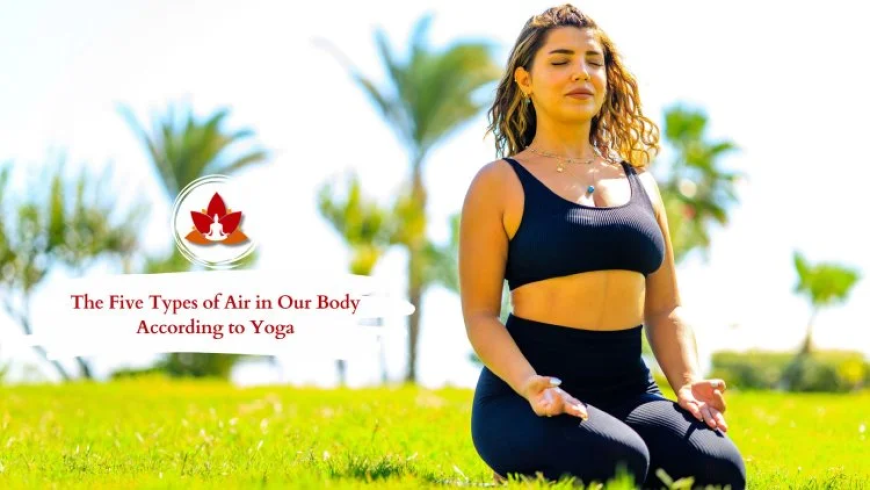
In yogic and Ayurvedic traditions, Prana is considered the vital life force that sustains life and drives all physical and mental processes. Derived from the Sanskrit root "pra" (forth) and "an" (to breathe or live), Prana is more than just breath—it's the subtle energy that permeates the universe and enlivens all beings.
But within the human body, this Prana doesn't operate in a singular form. According to ancient yogic texts, Prana is divided into five main subdivisions, known as the 5 Pranas, or Pancha Prana Vayus. Each of these energies governs specific physiological and energetic functions, working together to create balance and harmony in body, mind, and spirit.
The 5 Pranas: An Overview
The 5 Pranas are:
-
Prana Vayu – the inward moving energy
-
Apana Vayu – the downward and outward moving energy
-
Samana Vayu – the balancing or equalizing energy
-
Udana Vayu – the upward moving energy
-
Vyana Vayu – the circulating or diffusive energy
Let’s explore each one in detail to understand how they influence our health, emotions, and overall well-being.
1. Prana Vayu – The Inward Moving Force
Location:
Chest and head (especially the lungs and heart)
Function:
Prana Vayu governs intake—of air, food, sensory impressions, and thoughts. It controls breathing, the beating of the heart, and the flow of life force into the body and mind.
Physical Influence:
-
Breathing and respiration
-
Circulation in the chest region
-
Sensory perception (especially sight and hearing)
Mental/Emotional Influence:
-
Mental clarity
-
Alertness
-
Emotional stability
When Prana Vayu is imbalanced, one might experience anxiety, breathlessness, or sensory overload. Practices like pranayama (breathwork) and mindfulness meditation help regulate this energy.
2. Apana Vayu – The Eliminating Energy
Location:
Lower abdomen, colon, and pelvic region
Function:
Apana Vayu governs elimination—both physical and energetic. This includes the expulsion of waste (urine, feces), sexual fluids, menstruation, and even negative emotions or thoughts.
Physical Influence:
-
Excretion
-
Reproductive functions
-
Menstruation and childbirth
Mental/Emotional Influence:
-
Grounding
-
Letting go of stress, fear, and trauma
An imbalance in Apana Vayu can lead to constipation, reproductive issues, or feeling emotionally “stuck.” Grounding yoga poses, pelvic floor exercises, and Ayurvedic detoxification can help restore its flow.
3. Samana Vayu – The Balancing Energy
Location:
Navel region (between the chest and pelvis)
Function:
Samana Vayu governs digestion and assimilation—both of food and mental impressions. It is the fire at the core of your being, harmonizing opposing energies.
Physical Influence:
-
Digestion and metabolism
-
Nutrient absorption
-
Core strength and balance
Mental/Emotional Influence:
-
Discernment
-
Emotional processing
-
Decision-making
When Samana Vayu is imbalanced, one may suffer from digestive disorders, indecision, or emotional instability. Balanced meals, core-strengthening yoga, and maintaining a regular routine can support this energy.
4. Udana Vayu – The Ascending Force
Location:
Throat and head region
Function:
Udana Vayu governs speech, growth, and expression. It supports upward movement and is associated with willpower, creativity, and spiritual progress.
Physical Influence:
-
Speech and vocal expression
-
Growth and development
-
Energy in the limbs and face
Mental/Emotional Influence:
-
Communication
-
Confidence
-
Aspiration
Disruptions in Udana Vayu may manifest as difficulty expressing oneself, fatigue, or a lack of purpose. Singing, chanting, journaling, and guided meditation are excellent practices to stimulate this Prana.
5. Vyana Vayu – The Circulating Energy
Location:
Throughout the entire body (peripheral nervous system, skin, limbs)
Function:
Vyana Vayu is the expansive energy that governs circulation of blood, lymph, nerve impulses, and movement. It integrates the other four Pranas and coordinates bodily functions.
Physical Influence:
-
Circulation
-
Movement and coordination
-
Skin sensation
Mental/Emotional Influence:
-
Integration of experiences
-
Emotional resilience
-
Coordination of thoughts and actions
Imbalance in Vyana Vayu can lead to poor circulation, numbness, or a scattered mind. Physical activity, full-body massages, and rhythmic practices like dance or flow yoga are effective remedies.
The Harmony of the 5 Pranas
The 5 Pranas don’t operate in isolation—they function as a dynamic system. When all five are in harmony, a person experiences:
-
Optimal physical health
-
Mental clarity
-
Emotional balance
-
Spiritual growth
An imbalance in one can disturb the others, much like how one off-key instrument can disrupt an orchestra. This is why holistic practices like yoga, Ayurveda, pranayama, and meditation aim to balance all five Pranas for true well-being.
Practices to Balance the 5 Pranas
Here are some simple practices to nurture and harmonize the 5 Pranas:
-
Pranayama (Breath Control): Different techniques like Nadi Shodhana, Kapalabhati, and Bhramari target specific Pranas.
-
Yoga Asanas: Movements and postures influence the flow of Prana through the nadis (energy channels).
-
Meditation and Mantra: Help still the mind and bring awareness to the subtle energies.
-
Diet and Lifestyle: Eating sattvic foods and living in harmony with nature supports all Pranas.
-
Daily Routines (Dinacharya): Regular habits regulate internal rhythms and energy flow.
Conclusion
Understanding and working with the 5 Pranas is a powerful way to bring balance into your life. These five vital energies are the hidden forces behind every breath you take, every movement you make, and every thought you think. When you align with them, you awaken your inner potential and create a harmonious flow of life force that supports vibrant health, emotional well-being, and spiritual awakening.
So whether you're a yoga practitioner, healer, or simply someone seeking more balance, tuning into the wisdom of the 5 Pranas can offer profound insights and transformation.