Troubleshooting Automation Bottlenecks? A Programmable Logic Controller Is the Fix
This is where a Programmable Logic Controller steps in, acting like the conductor of your automation orchestra, ensuring every machine, sensor, and actuator works in sync so your output stays smooth and efficient.
 amitkumar
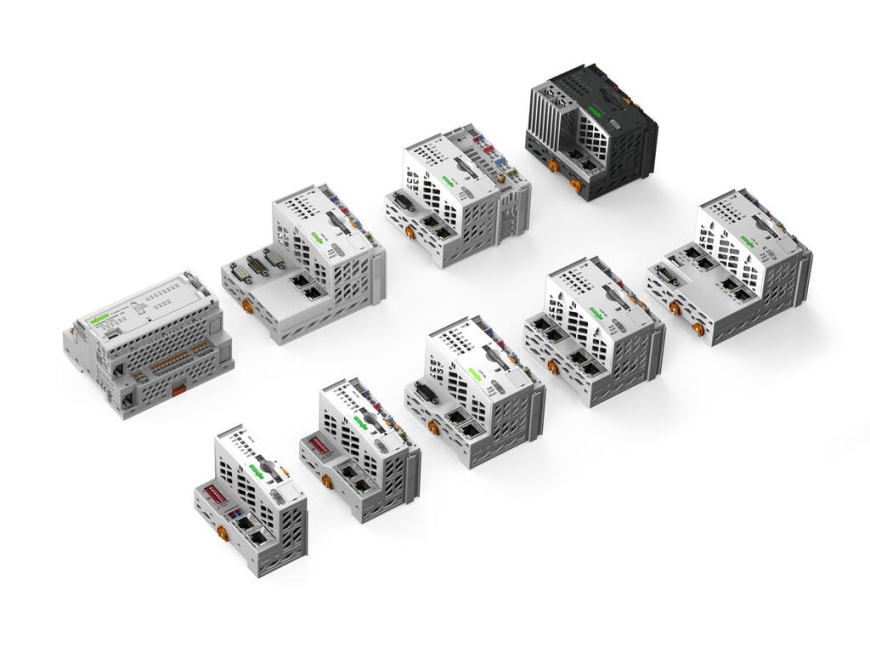
Automation is meant to make your work faster. But when delays creep in, they don’t just slow down production — they cost you time, money, and sometimes customer trust. Bottlenecks in automated processes can pile up tasks, create unplanned downtime, and increase the risk of costly mistakes.
When your system stalls because a machine can’t respond fast enough, the whole chain suffers. And often, it’s not a single fault — it’s how all the parts of your system talk to each other. This is where a Programmable Logic Controller steps in, acting like the conductor of your automation orchestra, ensuring every machine, sensor, and actuator works in sync so your output stays smooth and efficient.
What Causes Automation Bottlenecks in Industrial Setups?
Some bottlenecks come from old relay-based systems that just can’t keep up. They work, but their speed and flexibility are limited.
Other common causes include:
-
Sensors, actuators, and controllers that aren’t synchronized
-
Hard-coded logic that can’t adapt to changes
-
Delays in input/output response times
-
Weak diagnostics tools that hide the real problem until it’s too late
If you can’t see what’s slowing things down in real time, you can’t fix it fast. That’s how small lags turn into big losses.
How a Programmable Logic Controller Solves Bottlenecks
A P.L.C. works in real-time by receiving signals from many machines and coordinating them without any human interference. In this case, the sensor detects a change, and the PLC immediately adjusts the motor, valve, or conveyor before the delay starts.
More of those include:
-
Decision-making based on logic, not guesswork
-
Automatic reactions to abnormal conditions before damage occurs
-
Reprogrammed workflows in response to changing production requirements
-
Interoperability between various brands and models of equipment
Hence, a PLC not just rectifies a problem but prevents it from reoccurring.
Key Features That Make PLCs Ideal for Troubleshooting
Not all control systems are built for tough industrial environments — but PLCs are. They’re rugged enough to run in heat, dust, or vibration-heavy settings.
Other features include:
-
Modular architecture so you can add new functions without replacing the whole system
-
Advanced diagnostics that log errors for faster fixes
-
Built-in communication protocols like Modbus and Ethernet/IP to link everything
-
Compatibility with HMI and SCADA systems for real-time control and monitoring
Real-World Scenarios Where PLCs Resolved Workflow Bottlenecks
-
Packaging line delays were reduced when a sensor-driven PLC logic adjusted conveyor speed in milliseconds, avoiding product jams.
-
Assembly line changes were made without downtime by swapping and reprogramming modular PLC components.
-
Troubleshooting time was cut in half when onboard diagnostics pinpointed the exact fault location instead of forcing engineers to check each machine manually.
How to Integrate a PLC into Your Existing System
The process is more straightforward than most expect:
-
Assess where your automation is slowing down.
-
Pick a PLC model that matches your I/O needs, environment, and network protocols.
-
Configure ladder logic or structured text programs for your workflow.
-
Test under real operating loads.
-
Scale across other problem areas once results are proven.
Conclusion
Automation bottlenecks don’t just slow you down; they affect your entire operation. A Programmable Logic Controller gives you speed, control, and flexibility — the three things every plant manager needs to keep workflows running without interruptions. When you invest in PLC technology, you’re not just fixing a problem; you’re building a smarter, more responsive production line.
If your current system is costing you more in delays than it saves in efficiency, it’s time to see how PLCs can help you eliminate those weak spots once and for all.