Top Steel Hull Repair Techniques for Tackling All Types of Hull Corrosion
Explore the best marine steel repair methods to tackle all types of corrosion. Learn expert-backed steel hull repair techniques and prevention strategies.
 mets
mets
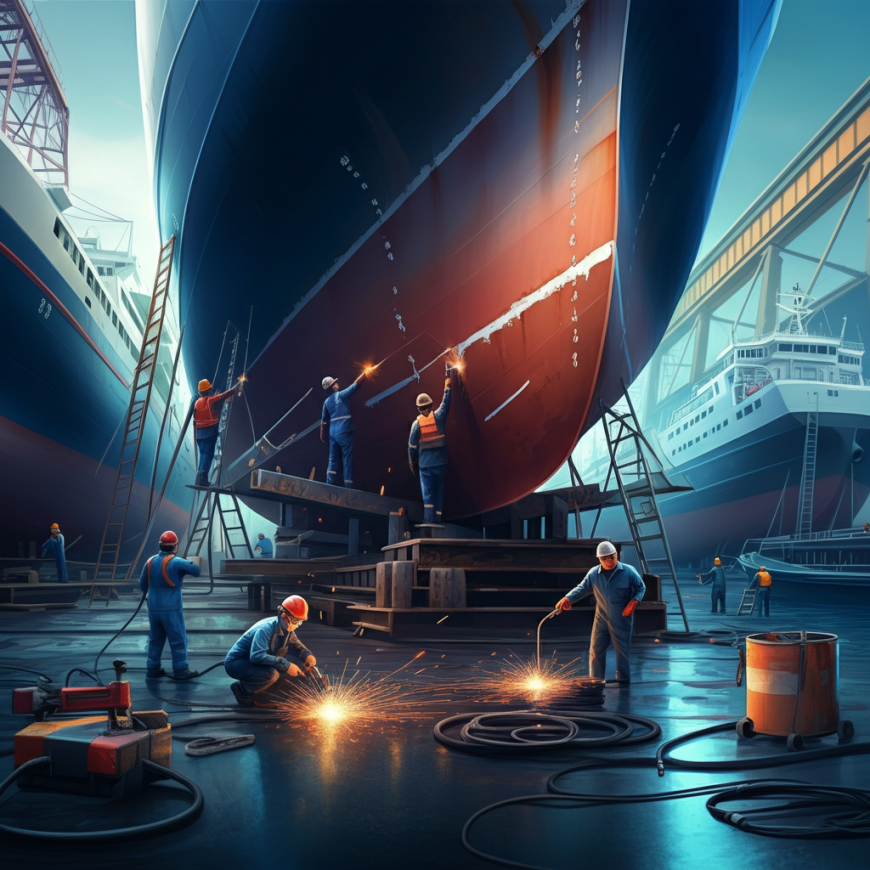
Steel hulls are the backbone of countless vessels, from massive shipping carriers to industrial marine structures. While their strength and durability are their most significant advantages, steel hulls are not impervious to wear and tear. Corrosion, in particular, poses a serious threat, compromising the integrity of vessels and leading to expensive repairs or even structural failure.
Understanding and implementing effective steel hull repair techniques is crucial to preserving vessel longevity and safety. This guide explores the causes and types of hull corrosion, vital preparation steps, the best repair techniques, and how to maintain your hull to keep corrosion at bay.
Whether you're a seasoned marine engineer or a ship owner looking to enhance maintenance practices, this article provides actionable insights into marine steel repair methods and corrosion control in ships.
Understanding Steel Hull Corrosion
Corrosion is an electrochemical process that degrades steel when exposed to moisture, oxygen, and salty marine environments. Understanding the root causes and the different types of hull corrosion is the first step in addressing and preventing damage.
Common Types of Hull Corrosion
-
Pitting Corrosion
-
Description: Localized corrosion that creates small holes or pits on the steel surface.
-
Cause: Often a result of poor coating, leading to exposure in small areas.
-
Challenge: Hard to detect because pits may appear small yet penetrate deeply into the hull structure.
-
Crevice Corrosion
-
Description: In confined spaces, such as weld joints or under gaskets, oxygen levels are low.
-
Cause: Trapped water and oxygen depletion within crevices.
-
Challenge: This can easily be overlooked during visual inspection.
-
Galvanic Corrosion
-
Description: Reaction between two dissimilar metals in contact, often accelerated by seawater.
-
Cause: Results from using incompatible metallic components in the hull design.
-
Challenge: Progresses quickly if not mitigated through proper materials or coatings.
-
General Corrosion
-
Description: Uniform thinning of the steel surface over large areas.
-
Cause: Continuous exposure to saltwater and atmospheric conditions.
-
Challenge: Widespread and leads to compromised hull integrity if left untreated.
Factors Accelerating Corrosion
-
Environmental Conditions: High salinity, temperature variations, and turbulent waters contribute heavily.
-
Poor Maintenance: Neglected vessels are prone to accelerated corrosion damage.
-
Defective Coatings: Damaged or improperly applied protective coatings expose steel to corrosion agents.
-
Material Quality: Use of substandard steel can worsen corrosion susceptibility.
Surface Preparation
Proper surface preparation is a critical first step before applying any marine steel repair methods. Without thorough surface prep, repair efforts may fail due to poor adhesion or hidden corrosion beneath repair materials.
Steps in Surface Preparation
-
Cleaning the Hull
-
Remove marine growth, dirt, and surface contaminants with high-pressure washing or blasting.
-
Removing Rust and Corrosion
-
Use sandblasting, needle scaling, or grinding to strip away rust and corrosion spots.
-
Ensure all affected areas are cleared down to bright steel.
-
Thickness Assessment
-
Ultrasonic thickness gauges are used to assess the extent of steel thinning.
-
Identify sections that need replacement based on minimum steel thickness requirements.
-
Degreasing and Drying
-
Remove oils and grease using solvents, and ensure the surface is arid before moving to the repair phase.
Read More:- Ship Repair vs Maintenance in India
Welding Techniques for Steel Hull Repair
Once prepared, hull repairs often require welding to restore structural integrity. Selecting the appropriate welding process and consumables is essential for durable results.
Common Welding Techniques
-
Manual Metal Arc Welding (MMA or Stick Welding)
-
It is ideal for minor repairs and on-site welding.
-
It provides excellent penetration but is slower compared to other methods.
-
Metal Inert Gas Welding (MIG)
-
Suitable for extensive repairs under controlled environments.
-
Offers speed and clean welds, especially on flat surfaces.
-
Tungsten Inert Gas Welding (TIG)
-
Excellent for precise welds on thin steel sections.
-
Perfect for crevice corrosion areas requiring intricate work.
-
Flux-Cored Arc Welding (FCAW)
-
The high deposition rate makes it ideal for extensive structural repairs.
-
Useful for open areas requiring significant steel replacement.
Filler Material Selection
The correct filler material ensures compatibility with the base steel to avoid issues like galvanic corrosion.
-
Consider steel specifications and the hull's environment when choosing a compatible filler metal.
-
Always opt for high-quality flux or shielding gas to prevent porosity in welds.
Applying Protective Coatings
Protective coatings play a vital role in ship corrosion control, preventing steel from being exposed to moisture, salt, and oxygen.
Types of Protective Coatings
-
Epoxy Coatings
-
It is highly durable and ideal for underwater sections of a hull.
-
Offers strong adhesion and chemical resistance.
-
Anti-Fouling Paint
-
Protects against marine growth such as algae and barnacles.
-
Reduces drag and improves vessel efficiency.
-
Zinc-Rich Primers
-
Acts as a sacrificial layer (cathodic protection) to protect steel.
-
It is instrumental in areas prone to abrasion.
-
Spray-Applied Thermal Coatings
-
It provides long-term protection and works exceptionally well in harsh environments.
Application Process
-
Always apply coatings on a clean, dry surface.
-
Use professional sprayers or rollers to avoid coating defects like pinholes or uneven thickness.
-
Follow manufacturer recommendations for drying times and reapplication intervals.
Regular Inspection and Maintenance
Corrosion prevention doesn't end once the repair is complete. Routine upkeep is essential to ensure repairs are held up for continuous use.
Routine Maintenance Steps
-
Quarterly Inspections
-
Conduct visual assessments of the hull to catch early signs of corrosion or coating damage.
-
Advanced Non-Destructive Testing (NDT)
-
Use ultrasonic or radiographic tests to check for internal defects.
-
Sacrificial Anode Updates
-
Replace sacrificial anodes as part of cathodic protection to mitigate galvanic corrosion.
-
Touch-Up Coatings
-
Regularly reapply damaged protective coatings for antifouling paint based on wear and tear.
-
Documentation
-
Maintain detailed logs of inspections, repairs, and materials used for future reference.
Protect Your Hull Invest in These Techniques
Steel hull maintenance is the core of running a sturdy and seaworthy vessel. With corrosion being a constant threat, understanding the causes and implementing steel hull repair techniques has never been more essential.
You can safeguard your vessel's structural integrity and extend its lifespan by ensuring thorough surface preparation, utilizing the proper welding methods, applying high-grade coatings, and prioritizing routine inspections.
For expert advice and premium tools for marine steel repair methods, sign up for our latest resources or contact our specialists now to stay ahead of potential issues. Prioritize your hull's health today and set your vessel up for smooth sailing.