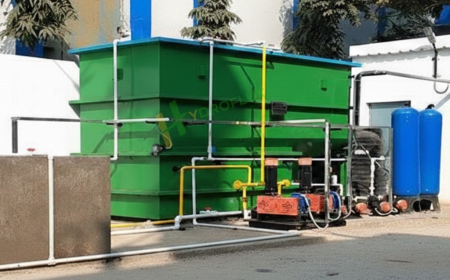
Top Benefits of Using Automated Dry Add Units in Industrial Operations
 Dry Add Units
Introduction
Industrial facilities depend heavily on accurate chemical handling and mixing systems to maintain productivity, product quality, and operational safety. As industries continue adopting automation technologies, dry add units have become one of the most reliable solutions for efficient dry chemical preparation and dosing. These systems are widely used in water treatment, manufacturing, oil and gas, food processing, and chemical production facilities.
Automated dry add units are specifically designed to simplify the process of handling powdered or granular chemicals while ensuring accurate mixing and consistent performance. Compared to traditional manual methods, these systems offer significant improvements in efficiency, safety, and cost savings.
Modern industries face growing pressure to reduce waste, improve productivity, and comply with environmental and workplace safety regulations. Automated dry chemical feed systems help businesses meet these goals while streamlining daily operations.
What Are Automated Dry Add Units?
Automated dry add units are advanced chemical handling systems that automatically feed, mix, and dissolve dry chemicals into liquid solutions. These systems are engineered to provide precise chemical dosing without requiring continuous manual operation.
The units typically include:
- Dry chemical feeders
- Mixing chambers
- Water supply systems
- Dosing controls
- Automated monitoring features
By automating the chemical preparation process, dry add units eliminate inconsistencies and improve operational reliability across industrial applications.
Increased Chemical Mixing Accuracy
One of the biggest advantages of automated dry add units is their ability to deliver highly accurate chemical mixing. Manual chemical preparation often results in inconsistent concentrations due to human error.
Automated systems precisely control the amount of dry chemical added to the solution, ensuring stable concentrations throughout the process. This consistency improves product quality and treatment performance.
Improved Operational Efficiency
Industrial facilities constantly seek ways to improve efficiency and reduce downtime. Automated dry add units help streamline operations by reducing the need for manual chemical handling and monitoring.
Once configured, the system continuously performs chemical preparation tasks with minimal operator intervention. This allows employees to focus on other important production activities.
Reduced Chemical Waste
Overfeeding chemicals can increase operating costs and create unnecessary waste. Underfeeding can negatively affect product quality and process performance.
Dry add units optimize chemical usage by delivering precise dosing based on operational requirements. This efficient chemical management helps businesses lower material costs and improve sustainability efforts.
Enhanced Workplace Safety
Handling dry chemicals manually can expose workers to hazardous dust, spills, and chemical contact. Automated dry add systems significantly reduce direct interaction with chemicals.
Dust containment systems and enclosed mixing chambers improve workplace safety while helping facilities comply with occupational health regulations.
Consistent Product Quality
Industries that rely on accurate chemical formulations must maintain consistent product quality. Variations in chemical concentration can affect manufacturing outcomes and operational stability.
Automated dry add units ensure reliable mixing performance, helping companies maintain consistent production standards across all operations.
Applications of Dry Add Units Across Industries
Water Treatment Industry
Water treatment facilities use dry add units for preparing polymers, coagulants, and other treatment chemicals. Accurate chemical dosing improves water purification efficiency and treatment consistency.
Manufacturing Facilities
Manufacturing operations use dry chemical systems in production processes requiring precise chemical preparation. These systems improve production reliability while reducing labor requirements.
Oil and Gas Operations
The oil and gas sector relies on dry add units for chemical handling during drilling, refining, and wastewater treatment processes. Automated systems help improve efficiency while reducing chemical waste.
Food and Beverage Processing
Food processing plants use automated chemical feed systems for cleaning, sanitation, and production support applications. Precise chemical control helps maintain hygiene standards and operational safety.
Mining and Mineral Processing
Mining facilities use dry add systems for mineral separation, wastewater treatment, and chemical processing operations. Automated dosing improves process efficiency and resource management.
Features of Modern Dry Add Units
Today’s dry add units are equipped with advanced features designed to improve performance and simplify operation. Common features include:
- Programmable dosing controls
- Precision feed mechanisms
- Automated mixing technology
- Dust suppression systems
- Corrosion-resistant construction
- Real-time monitoring systems
- Compact equipment design
- Energy-efficient operation
These technologies help facilities optimize performance while minimizing maintenance requirements.
Cost Savings Through Automation
Lower Labor Costs
Automation reduces the need for manual chemical preparation, allowing businesses to decrease labor expenses and improve workforce productivity.
Reduced Downtime
Consistent chemical preparation helps prevent operational interruptions caused by improper mixing or dosing errors.
Improved Equipment Protection
Accurate chemical concentrations help protect industrial equipment from scaling, corrosion, and damage caused by inconsistent treatment processes.
Long-Term Financial Benefits
Although automated dry add units require an initial investment, the long-term savings generated through improved efficiency, reduced waste, and lower maintenance costs often provide an excellent return on investment.
Environmental Benefits of Dry Add Units
Environmental sustainability has become a major focus for industrial operations worldwide. Automated dry chemical systems support sustainability initiatives by:
- Reducing chemical waste
- Minimizing environmental contamination risks
- Improving resource efficiency
- Supporting regulatory compliance
- Lowering energy consumption
Efficient chemical management helps businesses reduce their environmental footprint while maintaining operational performance.
Choosing the Right Dry Add Unit
Selecting the right system depends on several factors, including:
- Chemical type and properties
- Production capacity requirements
- Automation preferences
- Facility layout
- Maintenance needs
- Industry-specific regulations
Working with experienced equipment providers helps ensure businesses choose a system that matches their operational goals and long-term production requirements.
Future of Automated Chemical Handling Systems
As industrial automation continues evolving, dry add units are becoming more advanced and efficient. Smart control systems, digital monitoring, and remote operation capabilities are shaping the future of automated chemical handling.
Facilities investing in modern dry add technologies can improve operational flexibility, reduce costs, and maintain a competitive advantage in increasingly demanding industries.
Conclusion
Automated dry add units provide numerous benefits for industrial operations, including improved chemical accuracy, enhanced safety, reduced waste, and greater operational efficiency. These systems have become essential tools for industries seeking reliable and cost-effective chemical handling solutions.
From water treatment plants to manufacturing facilities, businesses across multiple industries rely on dry add units to maintain consistent performance and optimize production processes. As automation technology continues advancing, the importance of efficient dry chemical feed systems will only continue to grow.