The Side Effect of Microplastics on the Environment and Human Health
The side effect of microplastics on the environment and human health is now recognized as one of the most pressing global environmental issues, demanding urgent attention and comprehensive solutions.
 someonepost8282
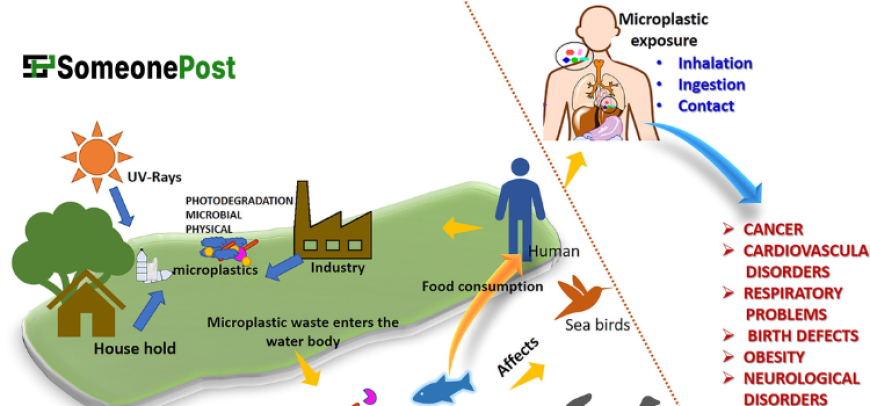
In the past few decades, plastic has become one of the most widely used materials in the world due to its convenience, durability, and affordability. However, the rise of plastic consumption has also brought about a less visible yet far more concerning byproduct — microplastics. These tiny particles, often smaller than five millimeters, have infiltrated nearly every corner of the planet — from the deepest ocean trenches to the highest mountain peaks. The side effect of microplastics on the environment and human health is now recognized as one of the most pressing global environmental issues, demanding urgent attention and comprehensive solutions.
Understanding Microplastics: What Are They?
Microplastics are minute plastic fragments that originate either from the breakdown of larger plastic debris or from products that contain micro-sized plastic particles by design. There are two main categories:
- Primary microplastics: These are manufactured intentionally, such as microbeads used in cosmetic products, toothpaste, and exfoliating scrubs, as well as microfibers released from synthetic textiles during washing.
- Secondary microplastics: These result from the degradation of larger plastic items like bottles, bags, and fishing nets through exposure to sunlight, wind, and ocean currents.
Because of their minuscule size and resilient composition, microplastics easily disperse across ecosystems and persist for hundreds of years, posing a continuous threat to both wildlife and humans.
Sources of Microplastics in the Environment
The sources of microplastics are diverse and often surprising. Everyday human activities contribute significantly to their spread:
- Synthetic clothing: Each wash cycle of polyester, nylon, or acrylic fabrics can release thousands of microfibers into wastewater systems, which eventually make their way into rivers and oceans.
- Car tires: Tire wear from vehicles releases microplastics into the air and onto road surfaces, where rainwater can wash them into waterways.
- Personal care products: Many beauty products still contain microbeads despite growing regulations.
- Industrial waste: Factories that produce or use plastic materials release microplastic particles through air emissions and wastewater.
- Plastic degradation: Over time, sunlight and weathering break larger plastic objects into smaller fragments.
This widespread contamination has led to a situation where microplastics are now found in soil, drinking water, seafood, and even the air we breathe.
Environmental Impact of Microplastics
1. Pollution of Marine Ecosystems
The majority of microplastics end up in the world’s oceans. Studies estimate that billions of microplastic particles float in surface waters, accumulate in sediment, and are consumed by marine organisms. Fish, plankton, seabirds, and shellfish often mistake these particles for food. Once ingested, microplastics can block digestive tracts, reduce feeding efficiency, and even cause death. Furthermore, microplastics act as carriers for toxic chemicals, including heavy metals and persistent organic pollutants (POPs), which can bioaccumulate up the food chain — eventually reaching humans.
2. Soil Contamination
Microplastics are not confined to oceans alone. Agricultural soils are increasingly contaminated due to the application of sewage sludge as fertilizer, plastic mulch film degradation, and runoff from urban areas. These particles alter soil composition and structure, disrupt water retention capacity, and negatively affect beneficial soil microorganisms that play a critical role in nutrient cycling and plant growth.
3. Airborne Microplastics and Atmospheric Pollution
Recent research has revealed the alarming presence of microplastics in the atmosphere. Lightweight fibers and fragments can be transported over long distances by wind, settling in remote regions such as the Arctic. These airborne particles contribute to air pollution, pose respiratory risks, and may even influence climate change by altering cloud formation and sunlight reflection.
4. Threat to Terrestrial Wildlife
Just as marine life suffers from ingestion of microplastics, land animals, including birds and mammals, are at risk too. Terrestrial creatures often consume microplastics through contaminated food sources or accidentally ingest them while foraging. This leads to digestive issues, energy depletion, and potential toxicity from chemical additives absorbed by the plastics.
The Pathway of Microplastics into the Human Body
Microplastics have become so pervasive that they are now found in almost every human habitat and dietary source. There are several routes through which humans are exposed to these particles:
- Food consumption: Seafood, table salt, honey, and even fruits and vegetables have been found to contain microplastics.
- Drinking water: Both bottled and tap water have been detected with microplastic particles.
- Air inhalation: Microplastic fibers from synthetic textiles and urban dust can be inhaled daily.
- Food packaging: Plastics used in packaging materials may leach microplastics and associated chemicals into food.
Once inside the body, microplastics can accumulate in organs and tissues. Studies have detected them in human lungs, blood, and even placentas, sparking concerns about their long-term health effects.
Health Risks of Microplastics Exposure
1. Physical and Chemical Toxicity
Microplastics themselves can cause physical damage when ingested or inhaled. Their small size allows them to penetrate biological barriers and enter the bloodstream or lymphatic system. Beyond their physical presence, the chemicals embedded in plastics, such as bisphenol A (BPA), phthalates, and flame retardants, can leach out and disrupt normal bodily functions.
2. Endocrine Disruption
Many microplastic-associated chemicals are known endocrine disruptors, meaning they interfere with hormonal balance. This can lead to reproductive issues, developmental problems, and increased risk of certain cancers. Long-term exposure may also contribute to thyroid dysfunction and metabolic disorders.
3. Inflammation and Cellular Stress
Research suggests that the presence of microplastics in tissues can trigger inflammation and oxidative stress, potentially leading to cell damage and impaired immune responses. Chronic inflammation has been linked to various diseases, including cardiovascular issues and cancer.
4. Potential Neurological and Reproductive Effects
Some studies indicate that microplastics may affect the nervous and reproductive systems. Though research is ongoing, animal studies have shown reduced fertility and behavioral changes associated with microplastic exposure. The transfer of these particles across the placental barrier raises particular concern for fetal development.
Global Scale of the Problem
The problem of microplastic pollution is not limited to a particular country or ecosystem — it is a global crisis. Every year, an estimated 8 million tons of plastic waste enter the oceans, much of which eventually breaks down into microplastics. Even the most remote regions, such as the Arctic and the Mariana Trench, are contaminated. This worldwide spread underscores the urgent need for international cooperation to address plastic pollution and its invisible offspring — microplastics.
Solutions to Reduce Microplastic Pollution
Addressing the issue of microplastics requires both systemic and individual actions. Some potential solutions include:
1. Policy and Regulation
Governments around the world are beginning to ban or restrict the use of microbeads in cosmetics and personal care products. Expanding these regulations to include other sources of microplastics, such as synthetic clothing and single-use plastics, is crucial. Strict waste management and recycling laws can also help prevent large plastics from fragmenting into smaller pieces.
2. Improved Wastewater Treatment
Modernizing wastewater treatment plants with advanced filtration systems can significantly reduce the amount of microplastics entering water bodies. Technologies such as membrane bioreactors and nanofiltration show promise in trapping microplastic particles before discharge.
3. Corporate Responsibility and Innovation
Companies can adopt sustainable production methods, such as developing biodegradable alternatives or redesigning products to minimize plastic use. Innovations in materials science are paving the way for bioplastics and natural fiber textiles that degrade more safely in the environment.
4. Public Awareness and Behavioral Change
Education and awareness campaigns can play a vital role in encouraging individuals to make eco-conscious choices — like avoiding plastic packaging, using natural fabrics, and supporting brands committed to sustainability. Small behavioral changes, when adopted collectively, can make a significant difference.
5. Scientific Research and Monitoring
Ongoing research is essential to fully understand the ecological and health effects of microplastics. Scientists are also developing advanced detection methods and studying how these particles interact with biological systems, paving the way for effective mitigation strategies.
The Role of Individuals in Combating Microplastics
While government policies and industry reforms are crucial, individuals also have the power to make meaningful contributions. Here are some simple steps everyone can take:
- Use reusable bags, bottles, and containers instead of single-use plastics.
- Wash synthetic clothes less frequently and use microfiber-catching laundry bags.
- Choose personal care products that are labeled “microplastic-free.”
- Participate in local clean-up drives to reduce plastic waste in communities.
- Support policies and brands that promote sustainability and reduce plastic dependency.
By adopting mindful consumption habits, individuals can collectively drive the shift toward a cleaner, healthier planet.
Conclusion
The side effect of microplastics on the environment and human health is a growing global challenge that threatens the delicate balance of ecosystems and the well-being of future generations. Microplastics, though microscopic, have a macroscopic impact — contaminating water, air, soil, and even our bodies. Their persistence and toxicity highlight the urgent need for comprehensive strategies that include better waste management, scientific innovation, stricter regulation, and responsible consumer behavior.
While reversing the damage already done may take decades, proactive measures taken today can prevent further harm. Combating microplastic pollution requires collaboration between governments, industries, scientists, and citizens alike. By understanding the problem and acting responsibly, humanity can begin to heal the planet and protect the intricate web of life that sustains us all.