The Quiet Luxury Movement in West Hollywood Home Design
Discover Quiet Luxury home design in West Hollywood with artisan tiles, natural stone, warm textures, and wellness-inspired interiors built to last.
 lizaazephyr
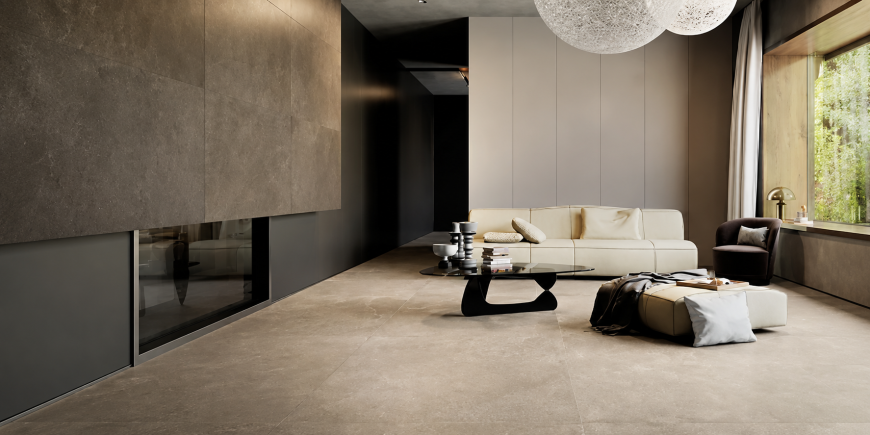
“This article explores the Quiet Luxury design movement in West Hollywood, highlighting how local designers skip flashy trends to create warm, wellness focused sanctuaries using earthy color palettes, organic textures, custom lighting and artisan crafted tile and natural stone surfaces.”
The high gloss, hyper contemporary mega house aesthetic that defined Los Angeles real estate is gradually being replaced by something much deeper. Quiet Luxury, a design concept that emphasizes subtle elegance, rich tactile textures and wellness focused environments, is pushing past flashy, performative riches in the hills and historic neighborhoods of West Hollywood, where homeowners and interior designers are embracing it. This taste progression promotes the feel of a home over the show, ditching cold, austere gallery whites for the warmth of organic materials. It takes a very specific eye to source the elements of this look, and many local designers have completely bypassed mass market catalogs. Instead, the process begins on the ground at a specialty tile store in West Hollywood design enthusiasts trust, where the concentration is on rare, artisan produced lots, hand molded ceramics and natural stones that are the foundations of stealth rich interiors.
The Pillars of WeHo Quiet Luxury
True quiet luxury is defined by what is missing: there are no loud geometric patterns, no aggressive chrome fixtures and no glossy, hyper manufactured surfaces. Instead, West Hollywood’s adaptation of this global movement relies on three distinct pillars:
-
Down to Earth Color Palettes: A welcoming, lived in warmth has replaced the 2010s' austere, frigid minimalism. Roman clay or lime wash plaster walls gently slide taupe bones, linens and quiet tile that absorb Southern California golden hour light.
-
Texture Over Trend: Purposefully minimalist palettes rely on texture. Handmade wall tiles with gentle, uneven ripples, wire brushed European wood flooring with rich grain, and honed Calacatta marble countertops with dramatic, unrepeatable veining are luxurious
-
Seamless Indoor Outdoor Flow: WeHo homes feature continuous flooring to blend indoor living spaces with lush courtyards, inspired by mid century California modernism. Spatial continuity extends the house and grounds it in nature
The Sanctuary: Sourcing for Kitchens and Baths
In a peaceful luxury home, the main bathroom and kitchen are no longer seen as just working facilities, but as residential retreats. Designers tend to treat these rooms monolithically, employing stone and tile as architectural extensions of the building rather than as embellishments.
West Hollywood loves Zellige and Moroccan terracotta tiles because of this. Artists hand mold and burn each tile, so no two are the same. The slight changes in thickness and tint catch daylight spectacularly when utilized with tight connections, mimicking water flow on kitchen backsplashes and walk in shower walls.
These handcrafted features are balanced with big format natural stone slabs like honed travertine and porcelain panels. Designers are integrating continuous, larger pieces for custom carved floating vanities or floor to ceiling wet rooms to do rid of busy grout grids. The effect is a very clean, tranquil look that reminds you of a high end European day spa.
The principal bathroom and kitchen, often considered utilitarian facilities in a quiet luxury home, are now considered residential sanctuaries. Designers think of these rooms monolithically, with stone and tile used not as accents but as architectural extensions of the structure itself.
-
Artisan Character with Authentic Zellige: Moroccan terracotta tiles are a hot commodity in West Hollywood. Each tile is carefully molded and baked by artists so that no two pieces are similar. Installed with tight connections, the subtle changes in thickness and shade catch the light brilliantly, replicating the naturalistic movement of water on kitchen backsplashes and shower walls
-
Monolithic Depth via Natural Stone Slabs:These smaller handmade pieces are complemented with large format materials like honed travertine and quality marble. Floating vanities or countertops made out of continuous large stone slabs give the room a sense of permanent, structural weight
-
Minimalist Serenity with Seamless Panels:Large format porcelain or stone panels built into floor to ceiling wet rooms avoid bothersome grout grids altogether. This integrated technique lowers visual noise, creating a look that is incredibly clean, calm and reminiscent of a high end European day spa
Layering the Details: Furniture, Lighting and Art
Once the architectural surfaces set the calm foundation of the home, the secondary design layers must maintain that same discipline of restraint. A quiet luxury interior is carefully curated over time, avoiding the sterile look of a furniture showroom.
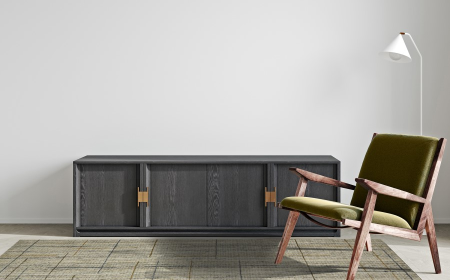
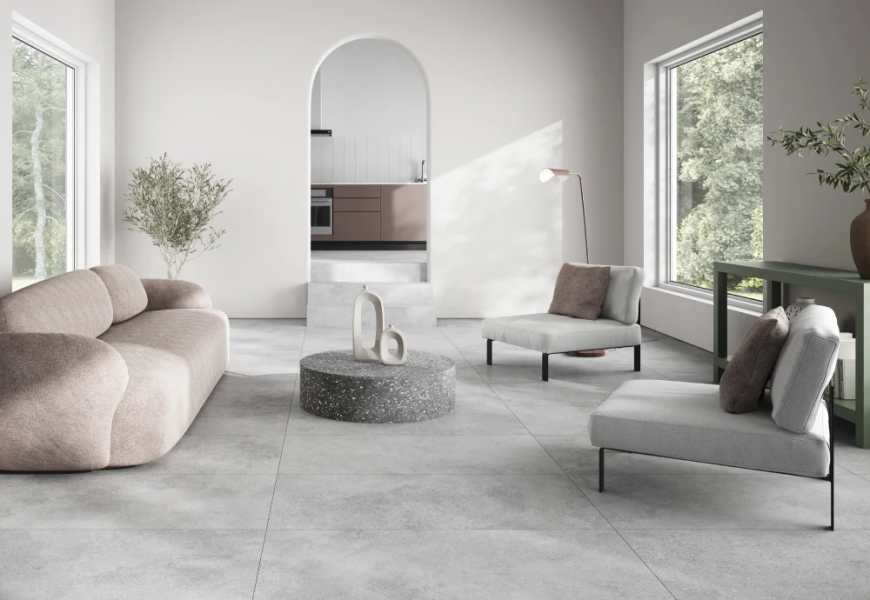
Furniture is built with soft, organic curves inspired by nature Bouclé raw linen and brushed mohair upholstery juxtaposed with stone surfaces below. Typically, the cabinetry in kitchen and dining areas is rift sawn white oak or walnut with integrated, hidden hardware to preserve the views clean and clear.
Lighting. An invisible art form. Instead of harsh, glaring recessed spotlights, architectural lighting solutions are used. Low voltage, warm LED strips are discreetly buried under plaster ceiling coves or nestled beneath stone vanities to wash the walls in soft, indirect light. coupled with bespoke plaster or patinated brass wall sconces that age well and take on a character all their own.
Conclusion
In the end, it is clear that the quiet luxury trend that has been taking over West Hollywood is much more than just another phrase in the interior design. It marks radical change in the way of life. Instead of focusing on temporary trends that are the product of fast fashion, people are now turning their attention to classic, carefully created designs that last for a long time, thus making their homes more than just a display of wealth.