The Emergence of the Loverboy Hat in the Fashion World
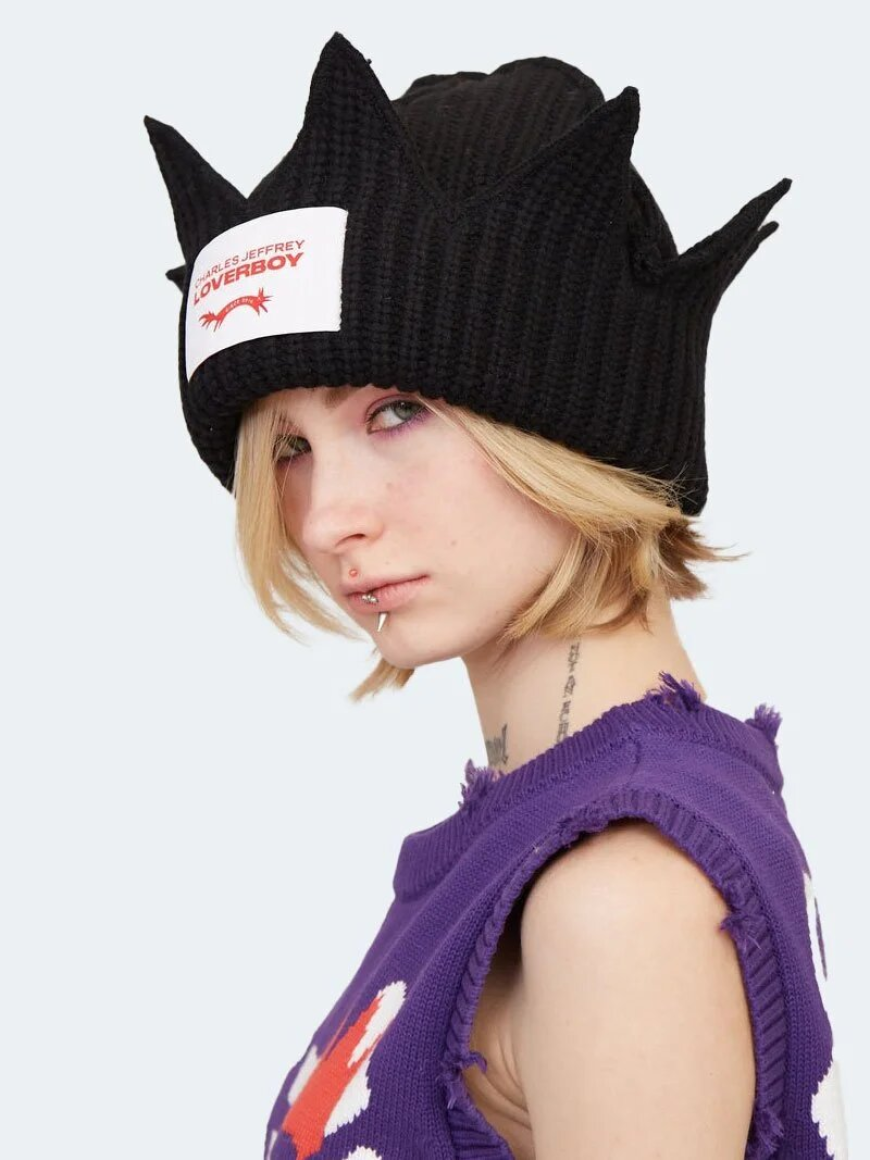
Shop original Loverboy Hat Beanie at sale price from online store in USA Get up to 30 off on Loverboy Hat Get fast shipping worldwide
 vertabraetshirt
Introduction
Fashion has long been a medium through which culture, identity, rebellion, and creativity converge. Within this dynamic sphere, certain items transcend their utilitarian purpose and become symbolic artifacts. One such item is the Loverboy hat—a bold, eccentric, and instantly recognizable accessory that has emerged from niche underground circles to influence mainstream fashion. Created by designer Charles Jeffrey, the Loverboy hat is emblematic of a new generation's exploration of gender fluidity, queerness, and avant-garde aesthetics. This essay delves into the origins, cultural significance, and broader impact of the Loverboy hat, charting its journey from underground statement piece to a fashion icon.
Origins: Charles Jeffrey and the Birth of Loverboy
To understand the Loverboy hat, one must first understand its creator. Charles Jeffrey, a Scottish-born designer, burst onto the fashion scene in the mid-2010s with a uniquely expressive and theatrical style. A graduate of Central Saint Martins in London, Jeffrey quickly established himself not just as a designer, but as a cultural provocateur. His brand, Charles Jeffrey LOVERBOY, emerged from the queer nightlife scene in East London, particularly through the club night also called LOVERBOY, which became a creative hub for misfits, artists, and fashionistas.
The Loverboy hat—often a knitted, ear-flapped creation with exaggerated shapes and whimsical elements—debuted as part of this creative expression. While seemingly playful, the hat is rich in symbolism. Drawing inspiration from punk aesthetics, British folklore, and queer history, it merges the fantastical with the political, encouraging wearers to challenge gender norms and embrace identity without apology.
Design Elements and Symbolism
The Loverboy hat is most commonly associated with its unique, often cartoonish silhouette: large floppy ears, animalistic shapes, or exaggerated knitting patterns. The most iconic version resembles a bonnet or a child's animal hat, often rendered in vibrant colors and eccentric textures. This intentional absurdity is central to its appeal.
The design invokes several layers of meaning:
-
Childlike Innocence Meets Adult Subversion: The resemblance to children’s costume hats is no accident. It challenges ideas of maturity and societal expectations, blending innocence with adult performance. The wearer becomes both the spectacle and the performer.
-
Gender Fluidity: The hat’s androgynous form allows it to transcend traditional gender binaries. Neither overtly masculine nor feminine, it becomes a wearable statement about the fluidity of identity.
-
Queer Visibility and Defiance: Much like the flamboyant styles of Leigh Bowery or the New Romantics, the Loverboy hat is a form of defiance—loud, proud, and unignorable. It plays with the aesthetics of drag, club culture, and street fashion, turning everyday wear into performance art.
Rise to Prominence
Initially limited to Jeffrey’s close-knit fashion shows and club scene, the Loverboy hat began to gain traction around 2018 as social media and fashion blogs started to spotlight the designer’s theatrical presentations. Fashion insiders lauded Jeffrey for his raw energy and artistic vision, describing his collections as more akin to live art than runway fashion.
Major fashion weeks, especially in London, became stages for his dramatic pieces. With celebrities and influencers starting to don the Loverboy hat, its reach expanded beyond underground scenes. Key moments include appearances in fashion editorials, red carpet events, and music videos, worn by artists like Harry Styles, Olly Alexander, and other queer icons who appreciated the brand’s ethos.
Simultaneously, the rise of gender-fluid fashion and the rejection of rigid sartorial codes played in Jeffrey's favor. The Loverboy hat became a symbol of a movement—a visual shorthand for radical inclusivity and creative freedom.
The Cultural Impact
1. Fashion as Identity Expression
The Loverboy hat's rise reflects a broader shift in fashion: from consumption to expression. No longer just about aesthetics, fashion now operates as a form of identity politics, a statement of who one is and what one stands for. The Loverboy hat embodies this transformation, worn not just for warmth or style, but for what it says about the wearer.
In many ways, the hat operates like punk fashion did in the 1970s or rave wear in the '90s—it signals belonging to a subculture. However, the subculture here is expansive, fluid, and increasingly mainstream, reflecting a new era in which queerness is not marginal but central to the zeitgeist.
2. Resurgence of Craft and DIY Aesthetic
The hat’s handmade, knitted appearance taps into the resurgence of craft in fashion. In an era of mass production, many younger consumers are gravitating toward items that feel personal and artisanal. Knitting, crochet, and DIY embellishment have re-entered the fashion vocabulary, often tied to sustainability and anti-consumerist values.
Loverboy hats are frequently made in limited quantities, often appearing as one-of-a-kind pieces. Their popularity also spawned a wave of DIY interpretations, with crafters knitting their own versions, thereby participating in the fashion conversation rather than just consuming it.
3. Challenging Fashion Norms
Traditionally, luxury fashion has leaned toward polished, refined aesthetics. The Loverboy hat throws that out the window with its messiness, theatricality, and deliberate oddness. It celebrates the outcast, the weirdo, and the artist. In doing so, it has helped loosen the grip of minimalism and uniformity in fashion.
Furthermore, its popularity in high fashion circles has opened doors for more radical, inclusive voices. Charles Jeffrey's success has encouraged other designers from marginalized communities to embrace their heritage and identity, without sanitizing it for broader appeal.
The Loverboy Hat in Pop Culture
The Loverboy hat has not only appeared in fashion runways and Instagram feeds but has also made inroads into pop culture. Music videos, editorial shoots, and even TikTok trends have celebrated its whimsical aesthetic. This visibility matters—each appearance is a small disruption of fashion norms, a reminder that creativity and queerness are not just allowed, but celebrated.
Moreover, as queer aesthetics become more mainstream, the Loverboy hat acts as a bridge between subculture and popular culture. It’s not unusual now to see teenagers wearing similar styles at festivals, blending thrift finds with designer accessories to create a look that is equal parts fashion and performance.
Criticisms and Commercialization
No fashion item is immune from criticism, and the Loverboy hat is no exception. Some argue that its rise in popularity risks diluting its original message. As fast fashion brands begin to imitate the style, the hat's subversive power may be commodified into trendiness. What began as a symbol of queer rebellion can be stripped of context when mass-produced for profit.
There is also concern around the authenticity of consumers who wear the hat for aesthetic purposes without understanding its cultural significance. This raises broader questions about cultural appropriation, particularly in fashion, where underground symbols are often co-opted by the mainstream.
Yet, others see its mass appeal as a form of success—a testament to how far queer culture has come in influencing mainstream fashion and a sign that subversive fashion can thrive in the spotlight without losing its edge.
The Future of the Loverboy Hat
As fashion continues to evolve, so too will the place of the Loverboy hat. While it may eventually fade from trend reports, its legacy is likely to endure. It has already cemented itself as a cultural artifact of the 2020s—a visual representation of a generation redefining norms and reclaiming space.
Moreover, Charles Jeffrey continues to evolve as a designer, and his brand remains a touchstone for inclusivity, experimentation, and emotional storytelling through fashion. As long as the values that birthed the Loverboy hat—freedom, identity, creativity—remain relevant, so too will its influence.
Conclusion
The emergence of the Loverboy hat is more than a quirky fashion story; it is a cultural narrative about queerness, creativity, and the power of fashion to reflect and shape societal shifts. From the underground clubs of East London to global runways, the hat has traveled far, bringing with it a message of bold self-expression and defiant individuality.
In an era where fashion is increasingly about more than just clothes—where it intersects with politics, identity, and technology—the Loverboy hat stands as a symbol of what happens when design meets meaning. It is not just a hat; it is a movement. And its story is still being written.