The Cooling Problems That Often Start With Poor Installation
 metaminds
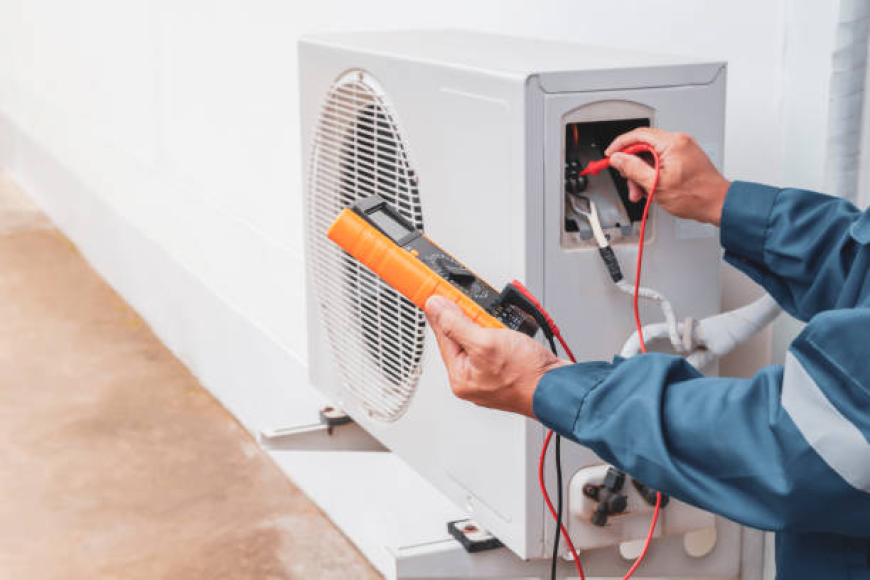
Most people think when an AC system starts acting up, it’s just “one of those things.” Wear and tear, bad luck, whatever. But honestly, a lot of cooling problems don’t come from age or brand—they start right at day one. Bad install. Corners cut. Wrong setup. I’ve seen it too many times. And if you’re dealing with ac installers in Chinderah, you’d want to pay attention early, not when the system is already struggling in peak summer. Because once those issues are baked in, they don’t just disappear. They stick around, quietly messing with performance.
Improper Sizing – Bigger Isn’t Always Better
This one gets overlooked a lot. People assume a bigger AC unit means better cooling. Not really. If the system is oversized, it cools the room too fast and shuts off before it properly removes humidity. So yeah, it feels cold for a minute, then kinda sticky again. Undersized units? Whole different mess. They run non-stop, never quite hitting the temperature you want. That constant running wears things out quicker. A proper install means actually calculating the load—room size, insulation, sunlight, all that boring stuff most rushed installers skip. And then you pay for it later.
Poor Ductwork Setup Causes Uneven Cooling
You ever walk into one room and it’s freezing, then step into another and it feels like a different house? That’s usually ductwork done wrong. Not sealed properly, poorly designed runs, or just cheap materials. Air leaks out before it even reaches where it’s supposed to go. So the system works harder, longer, louder. And your energy bill creeps up, slowly but surely. Good installation isn’t just about the unit itself—it’s the whole airflow system. Mess that up, and everything else struggles.
Incorrect Refrigerant Levels – A Quiet Problem That Gets Worse
Refrigerant isn’t something homeowners usually think about, but installers should. Too much or too little, both are bad. If it’s undercharged, the system won’t cool efficiently. Overcharged? That can damage the compressor over time. The tricky part is, you might not notice right away. It still cools… just not well. Then months later, boom, bigger issue. And now it’s expensive. This is one of those things where sloppy installation doesn’t scream at you immediately—it just slowly drags performance down.
Bad Placement of the Indoor or Outdoor Unit
Placement matters more than people think. Stick an outdoor unit in direct sun all day with no ventilation? It’s going to overheat and lose efficiency. Put the indoor unit in a weird corner where airflow is blocked? You’ll get uneven cooling again. I’ve even seen units installed too close to walls, barely any breathing room. It’s like setting something up to fail from the start. A decent installer takes a step back, looks at the space, and thinks it through. Not just drills and mounts wherever it’s easiest.
Electrical Issues That Start Small but Don’t Stay That Way
Loose connections, wrong wiring, poor grounding—these are install problems that don’t always show up right away. Maybe the system trips occasionally. Maybe it flickers. Easy to ignore at first. But electrical faults don’t fix themselves. They get worse. Over time, they can damage internal components or even become a safety risk. And the frustrating part? It could’ve been avoided with careful installation. Not rushed work.
Drainage Problems and Hidden Water Damage
This one’s sneaky. AC systems pull moisture from the air, and that water needs to go somewhere. If the drainage isn’t set up properly—wrong slope, blocked line, poor connection—you end up with leaks. Sometimes small. Sometimes not. Water stains, mold, weird smells… all of that can trace back to installation mistakes. And once mold gets involved, now it’s not just a cooling issue. It’s a health one too.
Lack of Proper Testing Before Handover
A lot of problems come down to one simple thing—installers not testing the system properly before calling the job “done.” They switch it on, feel some cold air, and that’s it. No checking airflow balance, no verifying refrigerant pressure, no system diagnostics. That’s where things slip through. A proper install includes a full test run. Not just “yeah it works,” but “it works the way it should.” There’s a difference.
How It All Connects Back to Installation Quality
Here’s the thing. Most of these issues aren’t random. They’re connected. Poor sizing leads to strain. Bad ductwork makes airflow worse. Incorrect refrigerant levels hurt efficiency. It all stacks up. And suddenly your AC, which should last years without drama, feels like a constant problem. That’s why choosing the right team matters more than the brand of the unit itself. Especially when you’re dealing with something like air conditioning installation in Gold Coast QLD, where heat and humidity don’t really give you a break.
Conclusion
At the end of the day, cooling problems don’t just appear out of nowhere. A lot of them are built in from the start—quietly, invisibly, during installation. And once they’re there, they don’t go away on their own. You either live with poor performance or spend more fixing what should’ve been done right the first time. So yeah, it’s tempting to go with the quickest or cheapest install option. But that decision sticks with you. Every hot day, every high bill, every uneven room. Installation isn’t just step one—it kind of decides everything that comes after.