The Complete Process of Transforming Interior and Exterior Spaces With Paint
A fresh coat of paint can change how a property feels, functions, and appears from the street. Homeowners often begin with a single room or exterior surface, then discover how a carefully planned painting project can improve the entire space
 williamthomes5566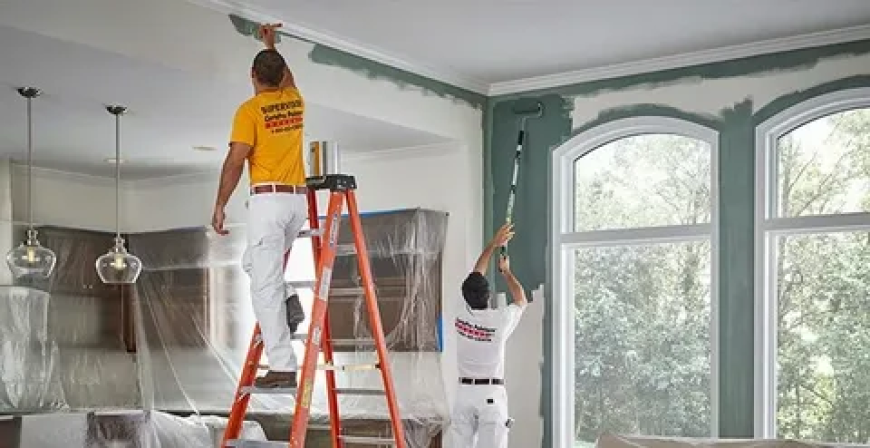
A professional Painting Service in Abington, MA helps property owners move from worn finishes and outdated colors to surfaces that match their style, needs, and maintenance goals.
Step 1: Evaluating the Space Before Any Paint Is Applied
Every successful painting project begins with a close review of the existing surfaces. Interior walls may have cracks, stains, old paint layers, or moisture-related issues that need attention before new coatings are added. Exterior areas require a different inspection because siding, trim, decks, and other materials are exposed to weather changes throughout the year.
A professional assessment identifies the surface type, existing damage, and preparation requirements. For example, wood siding may need sanding and sealing, while drywall may require patching before primer is applied. This early stage prevents paint problems such as peeling, uneven coverage, and premature fading.
Step 2: Building a Color Plan That Matches the Property
Color selection involves more than choosing a favorite shade. Paint colors affect how rooms appear in different lighting conditions and how exterior features connect visually.
Interior projects often consider room size, natural light, flooring tones, and existing furniture. A lighter color can make a smaller room feel more open, while deeper shades can create a stronger visual focus in areas such as dining rooms or accent walls.
Exterior projects require attention to the surrounding environment. A siding color should work with roofing, stonework, doors, and landscaping. The right selection also considers paint performance because some colors absorb more heat and may affect exterior surfaces over time.
Step 3: Preparing Surfaces for Long-Term Paint Performance
Preparation determines how well paint bonds with a surface. Professional painters spend significant time on this stage because applying paint over damaged or dirty materials often leads to visible problems.
Common preparation tasks include:
-
Cleaning walls, siding, and trim to remove dirt or residue
-
Repairing cracks, holes, and damaged areas
-
Sanding rough surfaces for smoother coverage
-
Applying primer where the material requires additional protection
For exterior projects in Abington, MA, preparation may also involve removing loose paint caused by seasonal weather exposure. Proper preparation creates a stable base that allows new coatings to perform as expected.
Step 4: Applying Interior and Exterior Coatings With Proper Techniques
Paint application requires the right tools and methods for each surface. Interior walls may need rollers for broad areas and brushes for corners, edges, and detailed trim work. Professional Interior Painting Services in Abington, MA use suitable application methods for different rooms, surfaces, and finish requirements to create consistent results. Cabinets and specialty surfaces often require specific coatings designed for durability and frequent use.
Exterior painting requires products that can handle temperature shifts, moisture, and sunlight. Painters select coatings based on the material being covered, such as wood, vinyl, metal, or masonry.
During the application stage, Supreme Painters & Remodelers follows a structured process that focuses on careful coverage, clean lines, and appropriate drying times between coats. The work involves more than spreading color across a wall because each surface reacts differently to paint products and environmental conditions.
Step 5: Reviewing Details and Protecting the Finished Work
A completed paint project requires a final inspection. Small details often determine the overall appearance of the finished space. Trim edges, corners, doors, and transition areas receive careful attention to ensure consistency.
The final review also checks for missed spots, uneven areas, or imperfections that need correction. Once approved, furniture, fixtures, and exterior areas are returned to normal use according to the recommended drying schedule.
Planning a Professional Paint Transformation
Property owners considering a painting project can benefit from a clear plan that includes surface evaluation, color decisions, preparation needs, and project timing. Working with Residential Painting Contractors in Abington, MA can help organize these steps based on the property’s condition, project size, and desired outcome. The size of the property, number of rooms, weather conditions, and selected materials all affect the overall schedule.
A small interior room may take a few days, while a complete exterior project may require additional time due to preparation and weather-related factors. Scheduling work during suitable conditions helps maintain proper coating performance.
Paint Choices That Support Long-Term Property Care
Paint selection affects maintenance needs after the project is complete. High-use areas such as hallways, kitchens, and family rooms often require washable finishes that handle regular cleaning. Kitchen surfaces may also benefit from Cabinet Painting Services in Abington, MA, where specialized coatings can help refresh cabinet finishes while supporting durability in frequently used areas. Exterior surfaces benefit from coatings designed for the specific material and local climate conditions.
Regular inspections can help identify early signs of wear. Small repairs, such as addressing peeling areas or minor cracks, can prevent larger surface issues later. A properly planned painting project supports both appearance and property upkeep over time.
Common Questions About Professional Painting Projects
How long does an interior painting project usually take?
The timeline depends on room size, surface condition, preparation work, and the number of coats required. A single room may take several days, while larger projects require more time.
What preparation is needed before exterior painting?
Exterior preparation may include cleaning, scraping loose paint, repairing damaged areas, sanding, and applying primer. These steps help create a stable surface for new coatings.
How can homeowners choose the right paint finish?
Paint finishes should match how a space is used. Matte finishes can work well in low-traffic areas, while satin or semi-gloss options are often preferred for rooms that require easier cleaning.
Can new paint cover old wall damage?
Paint can improve the appearance of minor imperfections, but cracks, holes, and damaged areas usually require repair before painting begins.
What factors affect the cost of a painting project?
Project size, surface condition, materials, preparation requirements, paint type, and labor needs all influence the final cost.
How often should exterior surfaces be repainted?
Exterior repainting schedules vary based on materials, weather exposure, previous paint quality, and maintenance. Many homes require evaluation every several years to determine when new coatings are needed.
Creating a Fresh Look Through Professional Painting
A complete paint transformation requires planning at every stage, from evaluating surfaces to selecting suitable products and applying coatings correctly. Interior and exterior painting can refresh a property while supporting easier maintenance and long-lasting protection.