The Complete Guide to Dental Implants: Everything You Need to Know
Discover everything about dental implants in this complete guide — from types, procedures, recovery, and benefits to cost and long-term care for restoring your perfect smile.
 ryandigital
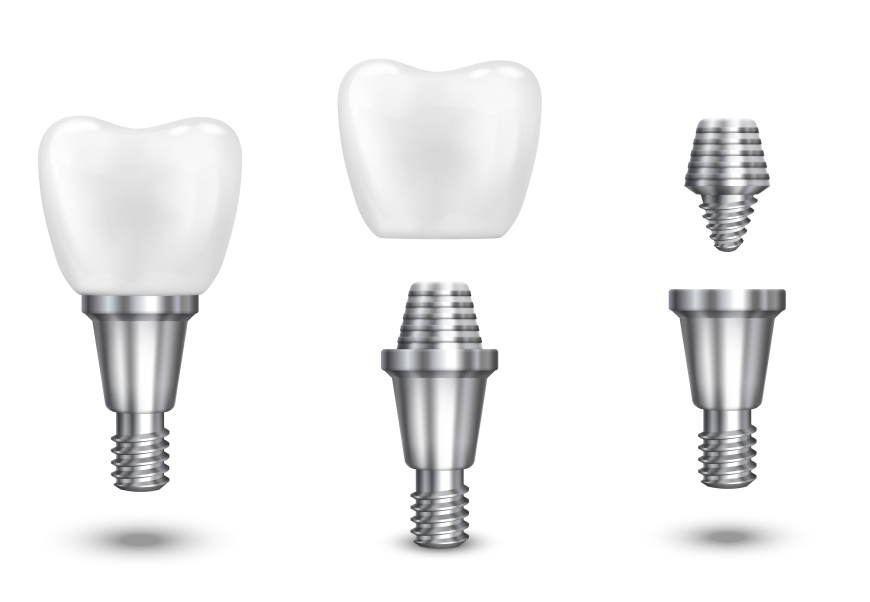
If you've been dealing with missing teeth, you've probably been looking for options to get your smile back. While dentures and bridges have been the traditional solutions, dental implants are the go-to option in modern dentistry and have become the gold standard for tooth replacement. Let's dive into everything you need to know about this procedure that will improve your oral health.
What Exactly Are Dental Implants?
These are artificial titanium tooth roots. A dentist surgically places them in your jawbone. Once they integrate with your jawbone, they provide a strong, permanent foundation for replacement teeth. Unlike dentures that are placed on top of your gums or bridges, which mainly rely on adjacent teeth for support, implants act and function just like your natural teeth without the need for extra support.
The process might sound complex and intimidating, but it's actually quite simple and only mildly uncomfortable. Your dentist will fix the titanium implant in your jawbone, allowing it to heal and fuse with the bone over several months. Then, they will attach a crown that looks and feels like your natural teeth. In the end, you are left with a permanent solution that’s there for a lifetime with proper care.
Why Go With Dental Implants Over Bridges or Dentures?
When comparing tooth replacement options, dental implants consistently come out on top for several reasons. First, they preserve your jawbone structure. When a tooth is lost, the jawbone beneath your gum begins to deteriorate because it's no longer being stimulated by the tooth root that was once there. Implants provide the necessary stimulation, keeping your facial structure intact and preventing jawbone resorption that comes after tooth loss.
If you look at it practically, dental implants outmatch dentures and bridges in terms of stability and reliability. You can have all your favorite foods without any discomfort, and you won't experience the speech difficulties that sometimes occur with traditional dentures. Plus, they don't require any special maintenance beyond regular brushing and flossing.
The Implant Process: What to Expect
Many people feel anxious about getting dental implants, but understanding the process will help ease your anxiety. Your dentist checks your oral health, takes X-rays, and then determines if you're a good candidate for the procedure.
The implant placement is performed under local anesthesia, so you won't feel any pain during the treatment. The healing period varies from person to person, but most can return to their normal activities within a few days.
During the healing phase, which lasts for 3-6 months, the implant fuses with your jawbone. Once this integration is complete, your dentist will attach the final crown, and you'll have a fully functional tooth that looks completely natural.
Are You a Good Candidate?
When it comes to these implants, most people are excellent candidates for the procedure. However, certain factors can affect your eligibility. You'll need adequate bone density to support the implant, healthy gums, and good overall oral health. If you have gum disease, it should be treated before undergoing implant surgery. Similarly, if you don't have enough bone, your dentist might recommend a bone graft for the area before the implant can be placed.
Smoking affects the success of dental implants, as it interferes with the healing process and may increase the risk of complications. If you're a smoker, your dentist will likely recommend quitting before the procedure to ensure the best possible outcome.
Finding the Right Dental Professional
Choosing the right dentist for your procedure is crucial. If you're in the New Jersey area, working with an experienced Ramsey family dentist who specializes in implant dentistry can significantly improve your treatment. Look for a practitioner who has extensive training in implant placement and uses the latest technology for precise, comfortable treatment.
The Bottom Line
Dental implants are the most advanced solution if you want to replace your missing teeth, offering great durability, functionality, and aesthetics, and outshining all the traditional methods. While the initial investment is definitely higher than other options, their longevity and quality of life benefits make them worth every penny of yours. If you're dealing with lost teeth or uncomfortable dentures, it might be time to explore whether dental implants are right for you.
Ready to take the next step toward a complete, confident smile? Schedule a consultation now with a qualified professional to discuss your options and get a treatment plan tailored to your needs.