The Complete Guide to Building Signs: Types, Materials, and Installation
Our team has delivered outdoor building signs, illuminated logos, and corporate identifiers for developers, property managers, and tenants across Minnesota.
 skycustomsignsandgraphics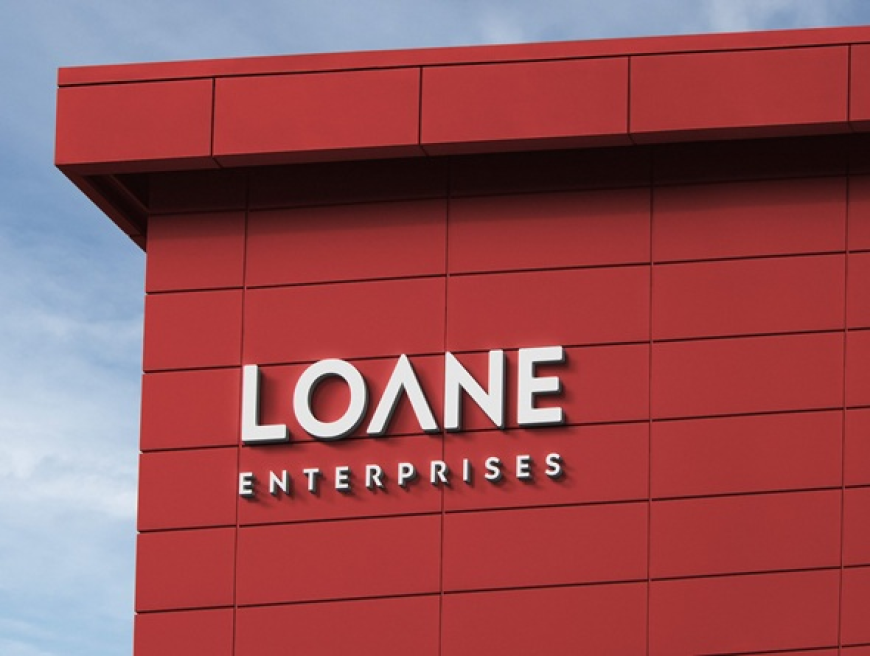
Building signs are more than just decorative elements—they're essential marketing tools that can significantly impact your business visibility and customer engagement. Whether you're a retail store owner, office manager, or property developer, understanding the different types of building signs, materials, and installation processes is crucial for making informed decisions. This comprehensive guide will walk you through everything you need to know about building signs.
What Are Building Signs?
Building signs are external or internal signage systems attached to commercial buildings, storefronts, or facilities to display business names, logos, directions, or promotional messages. They serve as the first impression for potential customers and play a vital role in brand recognition and customer acquisition. In competitive markets like Minneapolis, Saint Paul, and the greater Midwest, investing in quality building signs can be the difference between standing out and blending in.
Types of Building Signs
1. Outdoor Building Signs
Outdoor building signs are permanently installed on the exterior of your building. These are visible from the street and serve as primary branding tools.
Channel Letters: Individual letters mounted directly on your building facade. These are highly customizable and can be illuminated for visibility at night.
Cabinet Signs: Boxed signs with your company name and logo, typically mounted above storefronts. They provide excellent visibility and can incorporate LED lighting.
Architectural Signs: Integrated into the building's design, these signs complement the structure's aesthetics while maintaining brand presence.
Monument Signs: Freestanding signs installed on your property grounds. Ideal for businesses set back from the road or in commercial complexes.
2. Indoor Building Signs
Indoor signs guide visitors, provide wayfinding, and reinforce branding within your facility.
Reception Area Signs: Large, professional displays that greet visitors and establish your brand identity.
Directional Signage: Help visitors navigate through multi-floor buildings, parking garages, or large facilities.
Office Identification Signs: Display office numbers, department names, and employee titles.
ADA Compliant Signs: Required signage that meets Americans with Disabilities Act standards, including braille and raised lettering.
3. Vehicle Wraps and Mobile Signs
Transform your company vehicles into moving advertisements. Vehicle wraps can cover partial or complete surfaces and are perfect for businesses serving the Minneapolis, Saint Paul, and Midwest regions.
4. Digital and LED Building Signs
Modern digital displays offer dynamic content that can be updated remotely. Perfect for:
- Real estate displays
- Restaurant menus
- Service announcements
- Promotional messaging
- Time and temperature displays
Materials Used in Building Signs
Choosing the right material is crucial for durability, aesthetics, and budget. Here are the most common materials:
Aluminum
Lightweight, durable, and corrosion-resistant, aluminum is the industry standard for building signs. It's perfect for the harsh Midwest weather, including snow, ice, and extreme temperature changes.
Advantages:
- Weather-resistant
- Long-lasting
- Recyclable
- Versatile for various designs
- Relatively affordable
Acrylic (Plexiglass)
Acrylic creates a professional, high-end appearance and is ideal for channel letters and cabinet signs.
Advantages:
- Crystal-clear transparency
- Available in various colors
- Excellent light transmission
- UV-resistant options available
- Suitable for illuminated signs
Vinyl
Vinyl wraps are flexible, affordable, and perfect for vehicle wraps, temporary signage, and custom graphics.
Advantages:
- Cost-effective
- Customizable designs
- Easy to apply and remove
- Durable in outdoor conditions
- Wide color range
Metal (Steel and Copper)
Metal signs offer durability and a classic, sophisticated appearance.
Advantages:
- Extremely durable
- Weather-resistant when treated
- Premium aesthetic appeal
- Can be painted or coated
- Excellent for custom designs
Wood
Wood signs provide a rustic, warm appearance and are ideal for certain business aesthetics.
Advantages:
- Natural, appealing look
- Customizable designs
- Relatively affordable
- Versatile styling options
- Can be stained or painted
Composite Materials
High-density polyurethane and fiber-reinforced panels offer excellent durability and design flexibility.
Advantages:
- Lightweight yet durable
- Weather-resistant
- Won't rot or rust
- Paintable and customizable
- Long lifespan
Installation Process
Professional installation is critical for safety, longevity, and optimal performance of your building signs.
Pre-Installation Assessment
Before installation begins, professionals should evaluate:
- Building structure and mounting surface
- Weather exposure and environmental factors
- Local zoning and permit requirements
- Electrical needs (if illuminated)
- Visibility and angle considerations
Permitting and Compliance
In Minneapolis, Minnetonka, Saint Paul, and throughout Minnesota, building signs must comply with local regulations:
- Building permits
- Zoning restrictions
- Height and size limitations
- Lighting ordinances
- ADA compliance requirements
A reputable sign company will handle all permitting processes for you.
Installation Steps
- Structural Preparation: Inspecting and preparing the mounting surface to ensure it can support the sign's weight.
- Mounting System Installation: Installing brackets, frames, and support structures appropriate for your specific sign type and material.
- Sign Assembly: Assembling components (letters, panels, frames) with precision alignment.
- Electrical Work: If your sign includes lighting, licensed electricians install wiring and transformers safely and according to code.
- Sealing and Weather Proofing: Applying sealants to protect against moisture, UV exposure, and extreme weather conditions common in the Midwest.
- Testing and Adjustment: Ensuring proper alignment, lighting function, and structural integrity.
- Final Inspection: Verifying compliance with permits and safety standards.
Building Signs for Different Industries
Retail Stores
Bright, eye-catching channel letters and cabinet signs drive foot traffic and brand recognition.
Medical Offices
Professional, ADA-compliant indoor signage establishes credibility and guides patients.
Real Estate
Large monument signs and digital displays showcase properties effectively.
Hospitality
Welcoming, well-designed signage enhances the customer experience and brand perception.
Industrial and Warehouse
Durable, high-visibility signs improve safety and facility management.
Maintaining Your Building Signs
Proper maintenance extends your sign's lifespan and keeps it looking professional:
- Regular Cleaning: Remove dirt, debris, and weather stains monthly
- Inspect Mounting Hardware: Check for rust or looseness quarterly
- Light Bulb Replacement: Maintain LED or lighting components
- Sealant Inspection: Reapply weatherproof sealants as needed
- Professional Maintenance: Schedule annual professional inspections
Why Choose Professional Sign Installation?
DIY or inexperienced installation can result in:
- Safety hazards
- Permit violations
- Structural damage to buildings
- Poor visibility and alignment
- Warranty issues
- Wasted investment
Professional sign companies in the Midwest understand local climate challenges, permit requirements, and best practices for optimal results.
The ROI of Quality Building Signs
Studies show that investing in professional building signage can:
- Increase foot traffic by up to 30%
- Improve brand recall by 80%
- Generate leads through enhanced visibility
- Provide long-term marketing value (10+ years)
- Establish professional credibility
Conclusion
Building signs are fundamental investments in your business's visual identity and marketing strategy. By understanding the different types, materials, and installation processes, you can make informed decisions that align with your budget, aesthetic preferences, and business goals. Whether you're in Minnetonka, Minneapolis, Saint Paul, or anywhere in the greater Midwest, quality building signs from experienced professionals will enhance your property's appearance and drive business growth.
Ready to transform your building's visual presence? Contact a trusted local sign company to discuss your building sign needs today. With proper planning, quality materials, and professional installation, your building signs will serve as powerful marketing assets for years to come.