Sustainable Design Strategies for Energy-Efficient Homes
 metaminds
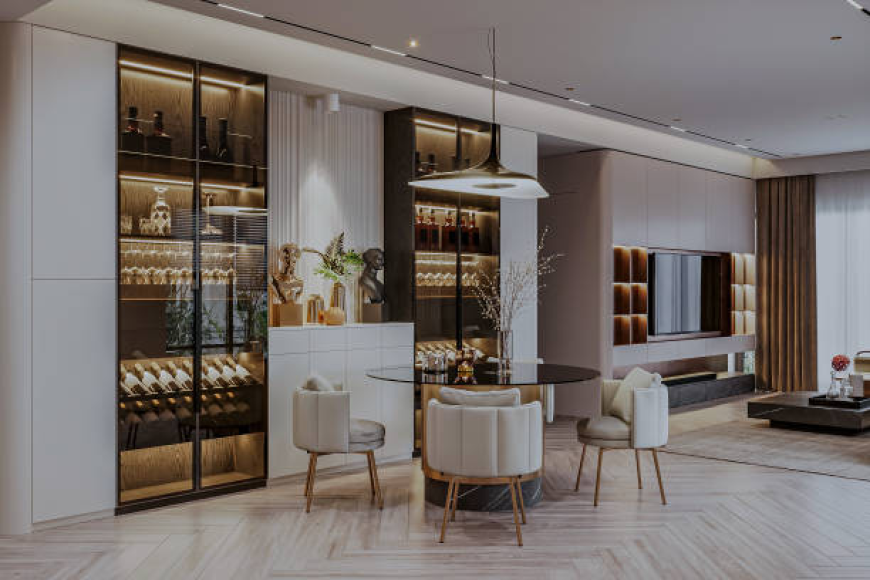
Most people say they want an energy-efficient home. Sounds good, right? Lower bills, better comfort, all that. But when it comes down to actually designing or building one, things get… messy. Costs, decisions, second-guessing. Still, ignoring it doesn’t really save you anything. You just pay later, month after month. I’ve seen projects like Sustainable Design Cardiff Residence take a more grounded approach—less hype, more common sense. Not perfect, but it works. And that’s kind of the point.
Start With Orientation and Layout (Before Anything Else)
Here’s where people usually mess up—they jump straight into tech. Solar panels, smart thermostats, expensive systems. But if your house is facing the wrong way or your rooms are badly placed, you’re already losing. Sunlight matters. Wind direction matters. Where you put your living room versus your storage space… yeah, that matters too. A decent layout can cut down energy use without doing anything fancy. Ignore it, and you’ll keep fixing problems forever. Bit harsh, but true.
Insulation Does the Quiet Work
Nobody brags about insulation. It’s not exciting. But it’s doing a lot behind the scenes. If your walls and roof aren’t holding temperature properly, you’re basically heating the outdoors. Same with cooling. Good insulation just stabilizes everything. The house feels… steady. Not freezing one minute and stuffy the next. And no, more insulation isn’t always better. It has to be done right, or you get moisture issues, which is a whole other headache.
Windows Can Ruin Everything (If You Let Them)
You can have a solid structure, good insulation, smart layout—and still mess it up with bad windows. Happens all the time. Cheap frames, poor sealing, wrong placement. Suddenly you’ve got drafts, heat loss, glare that makes you close the curtains all day. Then you need more lighting. More cooling. It spirals. Double glazing helps, sure. Triple if the climate demands it. But placement matters just as much. Big glass walls look great… until summer hits and your house turns into an oven.
Materials Matter More Than People Think
Sustainable materials get talked about a lot, but not always in a useful way. It’s not just about picking something labeled “eco-friendly.” You’ve got to think about where it’s coming from, how long it’ll last, how it behaves over time. Some materials naturally keep spaces cooler or warmer. Others just look good for a year and then start falling apart. And replacing things constantly? That’s not sustainable, no matter how it’s marketed. So yeah, choose carefully. Not emotionally.
Passive Design Is the Real Backbone
This is the part that doesn’t get enough attention. Passive design sounds technical, but it’s basically using nature to your advantage. Let air move through the house. Let sunlight in when you need it, block it when you don’t. Thick walls, shading, cross ventilation—it’s old-school thinking, honestly. But it works. Once it’s built in, you don’t have to maintain it or upgrade it every few years. It just does its job. Quietly.
Don’t Rely Too Much on Systems
A lot of homes today depend way too much on machines to stay comfortable. Heating, cooling, ventilation running nonstop. That’s not efficient—that’s compensation. A better approach is to design a home that doesn’t need constant fixing. Then add systems like solar or heat pumps as support, not as the main solution. When systems run less, they last longer. Less maintenance too. It’s just… smarter.
Water Efficiency Gets Overlooked
People focus on electricity and forget water is tied to energy as well. Heating water alone takes a chunk of power. So cutting water waste helps more than you’d think. Low-flow fixtures, better plumbing layouts, even simple stuff like collecting rainwater—it adds up. Landscaping too. If your outdoor space needs constant watering, that’s another drain. Native plants usually solve that. Less effort, less waste.
Interior Choices Can Help or Hurt
This part gets ignored a lot. You can build a solid, efficient structure, then mess it up inside. Heavy materials in the wrong places, colors that absorb too much heat, layouts that block airflow—it happens. Interior design isn’t just visual. It affects how a space feels and functions daily. That’s why working with people who actually get both sides—like teams offering Professional Interior Design Services in Las Vegas—can make things smoother. Not about making it fancy. Just making it work better.
Smart Tech Is Useful… Until It’s Not
Smart homes are everywhere now. And yeah, some of it is genuinely helpful. Automated lighting, energy tracking, climate control. But too much tech? It starts to feel like overkill. Apps stop working, systems need updates, things break. Then what? A well-designed home shouldn’t depend entirely on Wi-Fi to function. Use tech where it makes sense. Skip it where it doesn’t.
Conclusion
Sustainable design isn’t some perfect, polished concept. It’s practical. Sometimes a bit trial-and-error. But when it’s done right, you feel the difference every day. Lower bills, better comfort, fewer problems creeping up over time. Projects like Sustainable Design Cardiff Residence show that you don’t need to overcomplicate things to get solid results. Just make better decisions early on. Stick to what actually works. The rest sort of falls into place… not perfectly, but well enough.