Steps of Trikonasana
Learn how to do Trikonasana (Triangle Pose) with clear step-by-step instructions, tips for correct alignment, and benefits of practicing this powerful yoga asana.
 omshantiomyoga
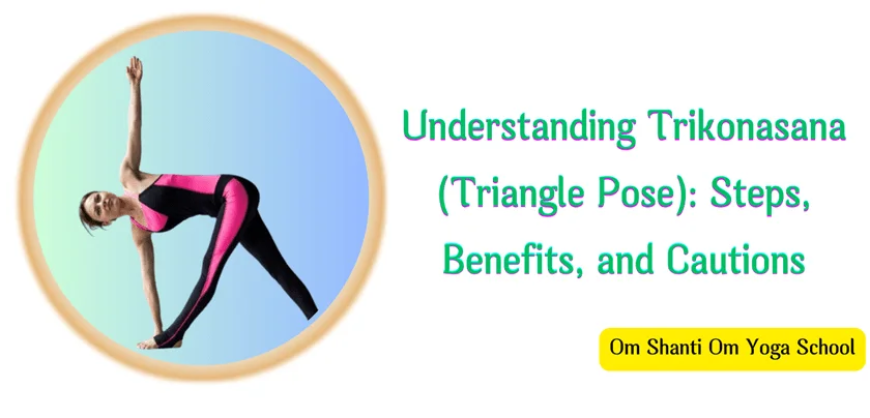
Introduction to Trikonasana
Trikonasana, or Triangle Pose, is a foundational standing yoga asana that strengthens the legs, improves flexibility in the hips and spine, and opens the chest. It is widely practiced in various styles of yoga due to its therapeutic and energizing effects. Understanding the steps of Trikonasana is essential for beginners and experienced practitioners alike, as it ensures alignment, safety, and maximum benefit from the pose. The name "Trikonasana" is derived from the Sanskrit words "Trikona" meaning triangle and "Asana" meaning posture.
Preparatory Poses Before Trikonasana
Before attempting the Triangle Pose, it is important to prepare the body with warm-up poses that loosen the hips, hamstrings, and shoulders. Gentle stretches such as Tadasana (Mountain Pose), Uttanasana (Standing Forward Bend), and Virabhadrasana II (Warrior II) help in achieving the correct alignment. These preparatory poses not only prepare the muscles but also enhance body awareness, making it easier to follow the precise steps of Trikonasana with stability and mindfulness.
Step-by-Step Guide to Performing Trikonasana
Learning the steps of Trikonasana involves understanding the detailed alignment and transitions involved in the pose. Here is a step-by-step breakdown:
-
Begin in Tadasana: Stand tall with feet together, spine erect, and arms relaxed by your sides. Take a few deep breaths to center yourself.
-
Step the Feet Wide Apart: Gently step your feet about 3 to 4 feet apart. Extend your arms sideways, parallel to the floor, with palms facing down.
-
Turn the Right Foot Outward: Rotate your right foot 90 degrees so it points directly to the side. Align the heel of your right foot with the arch of your left foot.
-
Inhale and Stretch the Spine: On an inhalation, lengthen your spine and engage your core muscles.
-
Exhale and Reach to the Side: While exhaling, shift your torso to the right, reaching your right hand toward the right shin, ankle, or the floor (if flexible).
-
Extend the Left Arm Up: Raise your left arm straight up toward the ceiling, forming a straight line from one hand to the other.
-
Gaze Upward: Turn your head to look up at your left thumb, if comfortable. Otherwise, keep the gaze forward or down to protect the neck.
-
Hold the Pose: Breathe deeply and stay in this position for 5–10 breaths, feeling the stretch along the side body, hamstrings, and inner thighs.
-
Return to Center: Inhale and slowly lift your torso back to the center with arms still extended. Rotate the feet to the front.
-
Repeat on the Other Side: Follow the same steps of Trikonasana on the left side.
Key Alignment Tips During Trikonasana
Proper alignment is crucial when performing Trikonasana to prevent injury and ensure effectiveness. Focus on keeping both legs straight and strong without locking the knees. Your chest should remain open, and the torso should not collapse forward. One common mistake is placing too much weight on the bottom hand—remember, the hand is only for support, not weight-bearing. Following the steps of Trikonasana with mindful alignment will help you experience the full stretch and balance that this pose offers.
Benefits of Practicing Trikonasana
Once you master the steps of Trikonasana, the pose offers numerous physical and mental benefits. It enhances flexibility in the hips, groin, and hamstrings while strengthening the legs and ankles. The extended side stretch improves digestion and stimulates the abdominal organs. Mentally, it promotes focus and concentration, making it a great posture for calming the mind. Additionally, Trikonasana helps relieve back pain and sciatica when practiced with proper form and under guidance.
Common Mistakes to Avoid
Beginners often make a few errors while attempting Trikonasana. Overreaching or collapsing the torso, turning the hips too far forward, or looking up when the neck is strained are some common mistakes. Skipping warm-up or failing to engage the core can also lead to imbalance. Revisiting the steps of Trikonasana regularly and practicing under the supervision of a qualified instructor can help correct these issues and deepen your understanding of the pose.
Conclusion
Trikonasana is more than just a physical stretch—it is a harmonious blend of balance, strength, and awareness. Mastering the steps of Trikonasana builds a strong foundation in yoga practice, improves posture, and enhances flexibility. Whether you are a yoga beginner or an experienced practitioner, consistently returning to the fundamentals of this pose can deepen your connection with the body and breath. With practice, patience, and attention to detail, Trikonasana can become a powerful tool for physical and mental well-being.