Silver Nanoparticles: The Next Generation Disinfectant
Nanotechnology has enabled scientists to develop materials at the nanoscale level.
 coherentMI@13
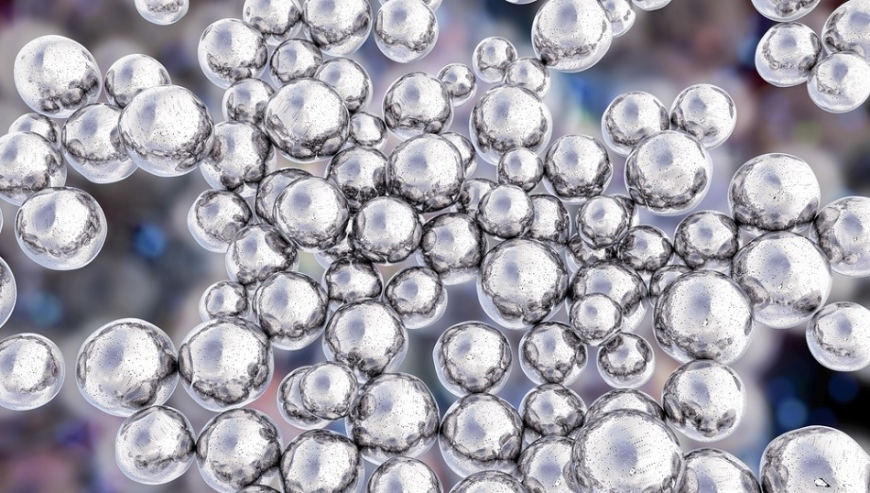
One such significant development is silver nanoparticles. Silver in its bulk form has been known for its antibacterial properties for centuries. However, at the nanoscale level, silver exhibits far more potent antibacterial activity. Researchers are now investigating its potential to revolutionize fields like healthcare, water purification and consumer products.
What are Silver Nanoparticles?
Silver nanoparticles refer to particles of silver that are less than 100 nanometers in size. At this tiny scale, silver exhibits unique optical, electrical and antibacterial properties compared to its bulk form. Silver nanoparticles are so small that millions can sit on the head of a pin. They are synthesized using either top-down or bottom-up methods involving chemical or physical processes. The small size of silver nanoparticles increases their surface area to volume ratio, enhancing their antibacterial efficacy.
Mechanism of Antibacterial Activity
Studies indicate that silver nanoparticles kill bacteria in multiple ways. They can attach to the cell wall of bacteria and disrupt it, causing the cell contents to leak out. The nanoparticles may also penetrate inside the bacterial cell and interfere with intracellular components like DNA, preventing replication. Moreover, silver ions released by the nanoparticles can also damage respiratory enzymes and proteins inside the bacterial cell. This multipronged antibacterial mechanism makes it difficult for bacteria to develop resistance against silver nanoparticles.
Silver Nanoparticles: The Next Generation Disinfectant: https://www.coherentmi.com/blog/silver-nanoparticles-the-next-generation-disinfectant-70