Signs Your Car Needs an Oil Change (Don’t Ignore These!)
 ahmadali
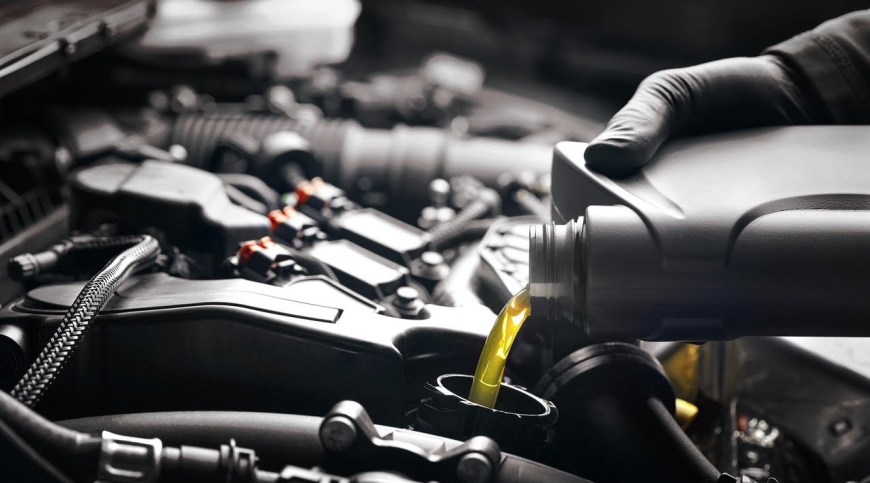
Regular oil changes are one of the most critical maintenance tasks for keeping your car’s engine running smoothly. Engine oil lubricates moving parts, reduces friction, prevents overheating, and helps keep the engine clean. Ignoring oil changes can lead to severe engine damage, costly repairs, and even complete engine failure.
But how do you know when it’s time for an oil change? While most manufacturers recommend changing oil every 5,000 to 7,500 miles, driving conditions, oil type, and vehicle age can affect this interval.
In this comprehensive guide, we’ll explore the key signs your car needs an oil change, why timely oil changes matter, and how choosing the right oil—like Nescol Lubricants—can extend your engine’s life.
Why Engine Oil Changes Are Crucial
Before diving into the warning signs, let’s understand why oil changes are so important:
1. Lubrication & Friction Reduction
The engine contains dozens of moving metal parts that generate extreme heat and friction. Fresh oil coats these components, preventing wear and tear. Over time, oil breaks down and loses its lubricating properties, increasing friction and accelerating engine wear.
2. Cooling the Engine
Oil absorbs heat from the combustion process and carries it away from critical components. Dirty or low oil can’t regulate temperature effectively, leading to overheating.
3. Cleaning & Sludge Prevention
Detergents in engine oil help trap dirt, metal particles, and combustion byproducts. As oil ages, it becomes saturated with contaminants, forming sludge that clogs engine passages.
4. Corrosion Protection
Oil contains additives that protect metal parts from rust and corrosion. Old oil loses these protective properties, leaving the engine vulnerable to damage.
5. Fuel Efficiency & Performance
Clean oil reduces engine strain, helping it run efficiently. Dirty oil forces the engine to work harder, decreasing fuel economy and power.
Now, let’s explore the top signs your car needs an oil change.
1. Dark, Dirty, or Gritty Oil
How to Check Your Oil
-
Park on a level surface and turn off the engine.
-
Wait 5-10 minutes for oil to settle.
-
Pull out the dipstick, wipe it clean, reinsert it, and pull it out again.
-
Observe the oil’s color and consistency.
What to Look For:
✅ Healthy Oil: Amber or light brown, slightly translucent.
❌ Old Oil: Dark black, thick, or gritty.
If your oil looks dirty, it’s time for a change. Sludge buildup can clog oil passages, leading to engine damage.
2. Loud Engine Noise or Knocking Sounds
Why It Happens:
-
Oil acts as a protective barrier between engine parts.
-
When oil degrades, metal components grind against each other.
-
This causes ticking, knocking, or rumbling noises, especially at startup.
What to Do:
-
Check oil level immediately (low oil can cause similar sounds).
-
If oil is low, top it up. If it’s old, schedule an oil change.
Ignoring these noises can lead to rod knock or engine seizure—a costly repair.
3. Burning Oil Smell Inside the Cabin
Possible Causes:
-
Oil Leak: Dripping onto hot engine parts.
-
Overfilled Oil: Excess oil burns in the combustion chamber.
-
Worn Seals/Gaskets: Letting oil seep into places it shouldn’t.
Danger Signs:
🔥 Smoke from the hood
🔥 Blue exhaust smoke (indicates burning oil)
Action Required:
-
Pull over safely and check oil level.
-
If leaking or burning, visit a mechanic immediately.
4. Illuminated Oil Warning Light or Check Engine Light
Two Key Dashboard Warnings:
-
Oil Pressure Light (Red Oil Can Icon)
-
Means oil pressure is dangerously low.
-
Stop driving immediately to avoid engine damage.
-
-
Check Engine Light (Yellow Engine Icon)
-
Could indicate dirty oil, low oil pressure, or sensor issues.
-
Get a diagnostic scan to confirm.
-
Never ignore these lights—engine failure could be imminent.
5. Decreased Fuel Efficiency
How Bad Oil Affects MPG:
-
Dirty oil increases engine resistance.
-
The ECU compensates by burning more fuel.
Symptoms:
-
More frequent fill-ups.
-
Lower miles per gallon (MPG).
Solution:
-
Change oil and filter.
-
Switch to high-quality synthetic oil (like Nescol Lubricants) for better efficiency.
6. Excessive Exhaust Smoke
Normal vs. Problematic Smoke:
✅ Normal: Thin white vapor (condensation).
❌ Bad Thick Smoke:
-
Blue Smoke: Burning oil (leaking into combustion chamber).
-
Black Smoke: Excess fuel burning (unrelated to oil).
If blue smoke appears:
-
Check oil level.
-
Look for leaks (valve seals, piston rings).
-
Change oil if dirty.
7. Engine Overheating
Connection Between Oil & Cooling:
-
Oil absorbs 40-50% of engine heat.
-
Dirty oil can’t transfer heat efficiently.
Overheating Signs:
🌡️ Temperature gauge in the red.
🚨 Steam from the hood.
Immediate Actions:
-
Turn off the engine to prevent damage.
-
Check oil level and condition.
-
Top up or change oil if needed.
8. Rough Idling or Poor Performance
Symptoms:
-
Engine shakes at stoplights.
-
Hesitation when accelerating.
Why Oil Matters:
-
Dirty oil causes poor lubrication, increasing friction.
-
Engine sensors may malfunction due to sludge buildup.
Fix:
-
Fresh oil change.
-
Fuel system cleaning if needed.
How Often Should You Change Your Oil?
General Guidelines:
-
Conventional Oil: Every 3,000–5,000 miles.
-
Synthetic Blend: Every 5,000–7,500 miles.
-
Full Synthetic (e.g., Nescol Lubricants): Every 7,500–10,000+ miles.
Factors That Shorten Oil Life:
-
Stop-and-go driving (more engine stress).
-
Extreme temperatures (hot or cold).
-
Towing/hauling heavy loads.
-
Older engines (may burn oil faster).
Pro Tip: Check your owner’s manual for the manufacturer’s recommendation.
Choosing the Right Engine Oil
Types of Motor Oil:
-
Conventional Oil
-
Basic, mineral-based.
-
Good for older cars with simple engines.
-
-
Synthetic Blend
-
Mix of conventional and synthetic.
-
Better protection than conventional alone.
-
-
Full Synthetic Oil (Recommended)
-
Engineered for maximum performance.
-
Lasts longer, resists breakdown.
-
Nescol Lubricants offers premium synthetic oils for enhanced engine protection.
-
Viscosity Grade (e.g., 5W-30)
-
The first number (5W) = Cold-weather performance.
-
The second number (30) = High-temperature viscosity.
-
Always use the grade specified in your owner’s manual.
Final Thoughts: Don’t Neglect Oil Changes!
Ignoring oil changes is one of the fastest ways to damage your engine. Watch for:
✔ Dark, dirty oil
✔ Loud engine noises
✔ Oil or burning smells
✔ Dashboard warning lights
✔ Poor fuel economy
✔ Excessive exhaust smoke
✔ Overheating
✔ Rough idling
For the best engine protection, choose high-quality synthetic oil like Nescol Lubricants—designed to keep your engine running smoother for longer.
When in doubt, check your oil and consult a trusted mechanic. Regular maintenance saves you money and keeps your car on the road for years to come!