Safety & Security Window Tint: Why It's One of the Smartest Upgrades You Can Make
Safety & security window tint does exactly what the name suggests. It holds shattered glass together during an accident, a break-in, or a natural disaster, reducing the risk of injury and slowing unauthorized entry.
 richardusa
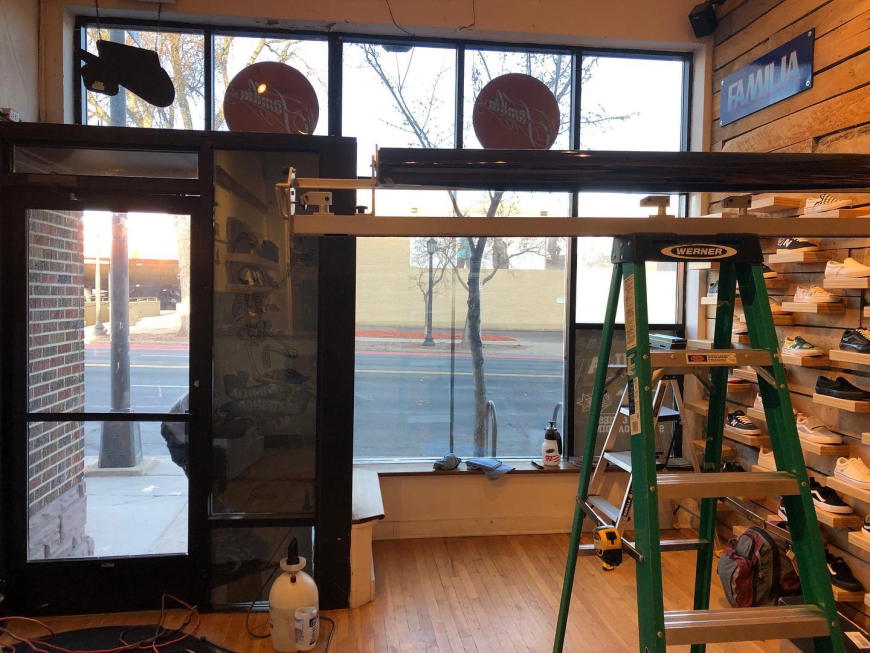
Safety & security window tint does exactly what the name suggests. It holds shattered glass together during an accident, a break-in, or a natural disaster, reducing the risk of injury and slowing unauthorized entry. It is not just a cosmetic upgrade. It is a functional layer of protection that works quietly every single day. If you have ever wondered whether it is worth the investment, the answer is yes, and here is why.
What Makes Safety & Security Tint Different
Standard decorative tints focus on aesthetics and heat rejection. Safety & security window tint is engineered differently. The film is significantly thicker, typically ranging from 4 mil to 14 mil or more, compared to the 1 to 2 mil films used in regular tinting. That thickness is not about darkness or shade. It is about holding glass fragments together when the window takes impact.
Think about what happens during a car accident or a rock strike on your windshield. Standard glass shatters and scatters. A window treated with security film holds the broken pieces in place, reducing the chance of glass-related injuries significantly. That single function makes it a worthwhile consideration for any driver thinking about long-term safety.
It Works Across Residential and Commercial Applications Too
Most people associate window tinting with vehicles, but safety & security window tint is widely used in homes, offices, and storefronts as well. Retail businesses use it to slow smash-and-grab theft. Homeowners use it to reinforce sliding glass doors and ground-floor windows. Government buildings and schools use it as part of broader security strategies.
The principle is the same across all these settings. The film does not make glass unbreakable. What it does is buy time, reduce injury risk, and raise the effort required for forced entry significantly. That delay alone is often enough to deter opportunistic crime.
The Practical Benefits You Notice Every Day
A window without protection becomes a projectile source the moment it breaks. Flying glass causes serious injuries in collisions, storms, and even minor incidents like a baseball through a residential window. Safety & security window tint keeps those fragments contained. The film acts as a binding layer that holds the glass matrix together even after it cracks.
For families with young children, for business owners in high-traffic retail areas, and for anyone living in regions prone to severe weather, this benefit is not hypothetical. It is a realistic risk reduction that costs far less than the consequences it helps prevent.
UV Blocking and Heat Rejection Come Along for the Ride
Security film is not a single-benefit product. Most quality safety & security window tint films also block a high percentage of UV radiation and help regulate interior temperatures. Your furniture, flooring, and vehicle interior all benefit from reduced sun exposure. In commercial settings, this can even reduce cooling costs during summer months.
It is rare to find a protective product that also saves money over time. This one does, and that makes the return on investment easier to justify to anyone who is on the fence about it.
Choosing the Right Installer and Film
Not every security film is equal. When evaluating options, look for films that meet recognized safety standards such as those set by the American National Standards Institute. Thickness matters, but so does the adhesive quality and the clarity of the film. Thicker is not always better if the film yellows quickly or reduces visibility significantly.
A qualified window tint installer will walk you through the differences between film grades, explain what level of protection each offers, and recommend the right option for your specific needs, whether that is a vehicle, a storefront, or a residential property. Do not skip this conversation. It is where most of the value in the process actually lives.
Installation Is Not a DIY Job
Security film installation requires precision. Bubbles, gaps, and poor edge sealing all compromise the protective function of the film. A trained window tint installer uses professional-grade tools, proper surface preparation techniques, and application methods that ensure the film bonds correctly and performs as intended.
Ask about warranties before you commit. Reputable installers back both the film and the labor. A warranty that covers peeling, bubbling, or delamination tells you the installer is confident in their process. That confidence is worth paying for.
What to Ask Before You Book
Before scheduling any installation, ask your window tint installer about the film brand they use, its thickness rating, and whether it meets any third-party safety certifications. Ask how long the installation takes and what the curing period looks like. Ask whether they have experience with your specific type of property or vehicle. These questions reveal a lot about the quality of service you are about to receive.
Conclusion
Security film is one of those investments that sits quietly in the background until you actually need it, and then it earns back every dollar in a single moment. Do not wait for a break-in, an accident, or a storm to wish you had made the decision sooner. Choose the right film, work with a skilled installer, and build a layer of protection into your space that works without you ever having to think about it.