Roller Ball Bearing Explained: How It Works, Applications & Expert Tips
Learn everything about roller ball bearings: how they work, key applications, expert tips, and where to get high-quality bearings for lasting performance.
 arvroptical
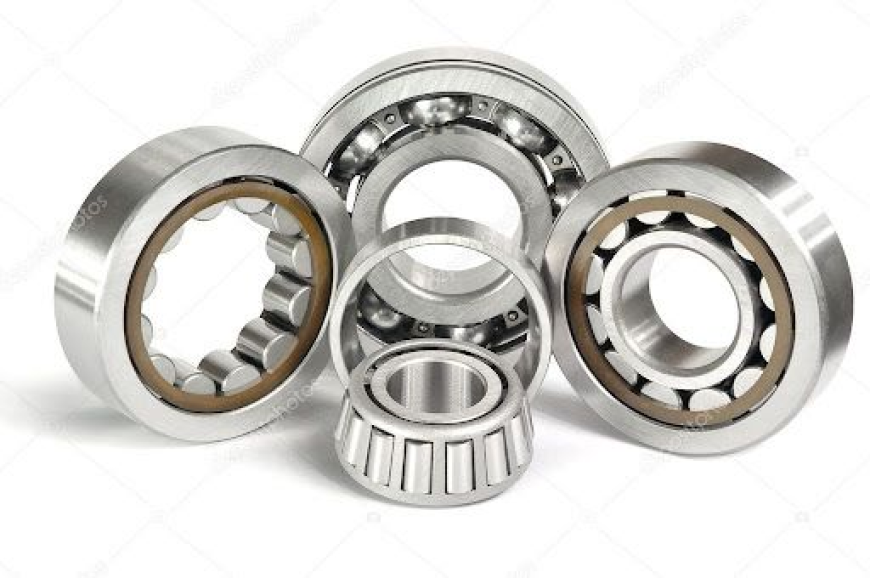
In the world of mechanical engineering, efficiency and durability go hand in hand—especially when it comes to motion components. One such crucial part is the roller ball bearing, which plays a central role in minimizing friction and supporting load in rotating systems. Whether you’re managing automotive repairs, industrial machines, or manufacturing equipment, understanding the function and performance of these bearings is essential for both performance and safety.
In this article, we’ll explore what makes a roller ball bearing a key part of today’s mechanical systems. You'll learn about its core design, practical uses, benefits, and how to choose the right one for your application—backed by expert insights, real-world relevance, and reliable engineering principles.
What Is a Roller Ball Bearing?
A roller ball bearing is a precision-engineered mechanical component designed to reduce rotational friction and support both radial and axial loads. It consists of rolling elements (balls or rollers) placed between two rings (inner and outer), allowing smooth and efficient motion. These bearings are built with hardened steel and often include seals or shields to keep contaminants out and lubrication in.
Common Applications
Roller ball bearings are used in a wide range of machinery due to their ability to handle dynamic loads and reduce wear. Some of the key industries include:
-
Automotive Systems (transmissions, wheels, axles)
-
Industrial Equipment (gearboxes, pumps, conveyors)
-
Aerospace Components (engine parts, landing gear)
-
Agricultural Machinery (harvesters, tractors)
-
Electric Motors and HVAC systems
In each of these areas, the bearing helps ensure stable, low-resistance movement for maximum operational life.
Key Benefits of Roller Ball Bearings
Here are some advantages that make the roller ball bearing a top choice for manufacturers and engineers:
-
High Load Capacity: Capable of managing both radial and axial forces.
-
Low Friction Performance: Enhances energy efficiency and reduces heat buildup.
-
Longevity: Resistant to wear, corrosion, and mechanical fatigue.
-
Easy Maintenance: Many models come with pre-lubrication and sealing systems.
-
Versatility: Available in various sizes and configurations to suit different use cases.
These properties make them reliable under high-speed, high-stress conditions.
How to Choose the Right Bearing
When selecting a roller ball bearing, consider these expert tips:
-
Check Load Ratings: Match the bearing to your required dynamic and static loads.
-
Material Quality: Go for high-grade steel or ceramic variants for demanding environments.
-
Seal Type: Choose sealed or shielded bearings depending on exposure to dust and moisture.
-
Precision Rating: Bearings with higher ABEC ratings offer smoother operation for sensitive machinery.
Always cross-reference OEM part numbers and technical datasheets for accuracy.
Conclusion (120 words)
A roller ball bearing is more than just a spinning component—it’s the foundation of smooth, efficient, and reliable motion in modern machines. From automotive systems to industrial equipment, its ability to manage stress, reduce wear, and improve performance makes it indispensable across sectors. Knowing how to select the correct bearing not only extends the life of your equipment but also reduces operational downtime and maintenance costs.
For trusted quality and expert-grade engineering, explore the full range of roller ball bearings designed to meet today’s performance demands. You can visit the official product page here for verified options tailored to your industry.