Role of Cybersecurity Training Software in Educating Digitally Responsible Students
Explore why schools rely on Cybersecurity Training Software to build cyber awareness and digital responsibility among students.
 VidyalayaLMS
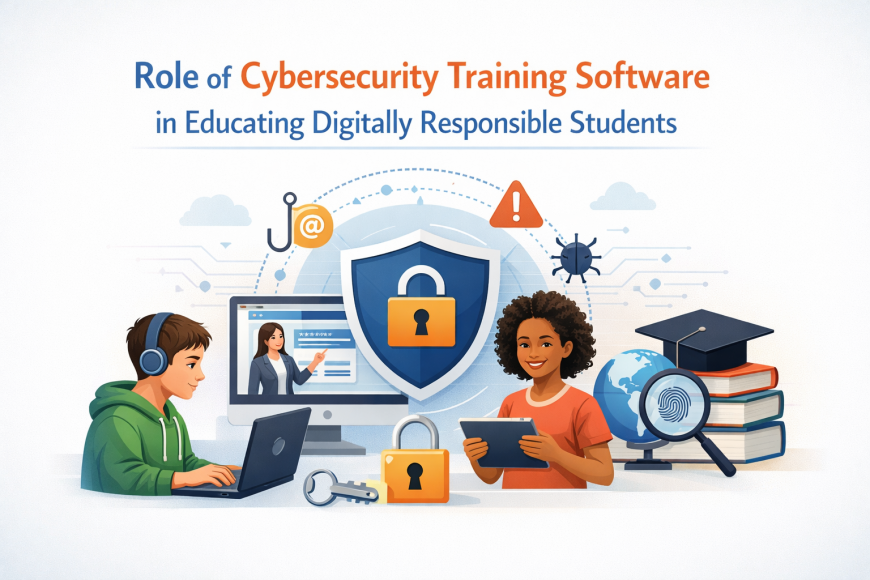
Online classrooms, cloud-based learning tools, collaboration apps, and digital assessments have transformed education. However, this increased digital dependency also exposes students to cyber risks such as phishing, data breaches, identity theft, and misuse of personal information. To address these challenges, Cybersecurity Training Software plays a critical role in shaping digitally responsible students who understand not only how to use technology, but how to use it safely and ethically.
Understanding Digital Responsibility in Education
Digital responsibility goes beyond basic computer skills. It includes awareness of online threats, ethical internet behavior, respect for data privacy, and compliance with digital policies. Students must learn how to identify suspicious activities, protect personal credentials, and behave responsibly on digital platforms. Schools that fail to teach these principles risk exposing students and institutional data to serious cyber incidents.
Cybersecurity education ensures that students become informed digital citizens rather than passive users of technology. This is where structured training platforms become essential.
Why Cybersecurity Awareness Is Crucial for Students
Students are frequent targets of cybercriminals because they often lack awareness of digital threats. Clicking malicious links, sharing passwords, or downloading unsafe files can compromise entire school networks. Additionally, the use of personal devices and remote learning environments has expanded the attack surface for cyber threats.
Cybersecurity education helps students understand real-world risks and builds proactive habits. When students are trained early, they are more likely to carry responsible digital behavior into higher education and professional environments.
Role of Cybersecurity Training Software in Schools
Cybersecurity Training Software provides structured, interactive, and scalable learning modules tailored for students. Unlike traditional lectures, these platforms offer engaging simulations, real-life threat scenarios, quizzes, and assessments that make cybersecurity concepts easier to understand and remember.
Such software helps educational institutions standardize cybersecurity education across grade levels, ensuring consistent learning outcomes. It also allows educators to track student progress, identify knowledge gaps, and continuously improve digital safety programs.
Promoting Safe Online Behavior Through Practical Learning
One of the biggest advantages of cybersecurity training platforms is experiential learning. Students are exposed to simulated phishing attacks, password security challenges, and data protection exercises. This hands-on approach helps students recognize threats in real situations rather than relying on theoretical knowledge.
Over time, students develop instincts for identifying suspicious emails, unsafe websites, and risky downloads. This practical awareness significantly reduces the likelihood of accidental cyber incidents within school systems.
Supporting Ethical and Responsible Technology Use
Cybersecurity education is not only about preventing attacks; it also promotes ethical behavior. Training software teaches students about plagiarism, misuse of digital content, cyberbullying, and data misuse. These lessons reinforce values such as accountability, respect, and integrity in digital spaces.
By integrating cybersecurity training into the curriculum, schools help students understand the consequences of unethical digital behavior, preparing them to act responsibly in both academic and personal online environments.
Integration with Modern Education Technology
Modern schools use multiple digital tools to manage learning and operations. Cybersecurity training platforms integrate seamlessly with existing systems, including learning management systems and assessment tools. In environments where AI Online Exam Proctoring is used, cybersecurity awareness becomes even more critical. Students must understand exam integrity, data privacy, and acceptable online behavior to maintain trust in digital assessments.
Additionally, institutions offering remote education rely heavily on Remote Training Software. Cybersecurity training ensures that students accessing lessons from different locations follow secure practices, protecting both personal and institutional data.
Preparing Students for Future Academic and Career Success
Cybersecurity awareness is increasingly becoming a life skill. Students trained in digital safety are better prepared for higher education, internships, and professional environments. Many organizations today include cybersecurity modules as part of Employee Onboarding Software, expecting new hires to understand basic cyber hygiene from day one.
By introducing these concepts early in schools, educational institutions bridge the gap between academic learning and real-world expectations. Students gain transferable skills that enhance their employability and digital confidence.
Reducing Institutional Cyber Risks
Students play a direct role in the security posture of educational institutions. A single compromised account can lead to widespread network breaches. Cybersecurity training software helps reduce institutional risk by turning students into the first line of defense rather than the weakest link.
When students understand the importance of strong passwords, secure device usage, and responsible data sharing, schools experience fewer incidents, reduced downtime, and improved compliance with data protection regulations.
Building a Culture of Cyber Awareness
Effective cybersecurity education fosters a long-term culture of awareness. Training software supports ongoing learning through updates, refresher modules, and adaptive content based on emerging threats. This ensures that students remain informed as cyber risks evolve.
A culture of cyber awareness encourages open communication, where students feel confident reporting suspicious activities rather than ignoring them. This collaborative approach strengthens overall digital resilience within educational institutions.
Conclusion
The role of Cybersecurity Training Software in educating digitally responsible students is more critical than ever. As technology becomes deeply embedded in education, students must be equipped with the knowledge and skills to navigate digital environments safely and ethically. By providing interactive learning, promoting responsible behavior, supporting secure remote education, and aligning with future workplace expectations, cybersecurity training software empowers students to become informed digital citizens.
Educational institutions that invest in cybersecurity education not only protect their systems and data but also prepare students for a future where digital responsibility is essential for academic success, professional growth, and lifelong safety in an increasingly connected world.