Understanding Reverse VAT: A Complete Guide
 accountinglads
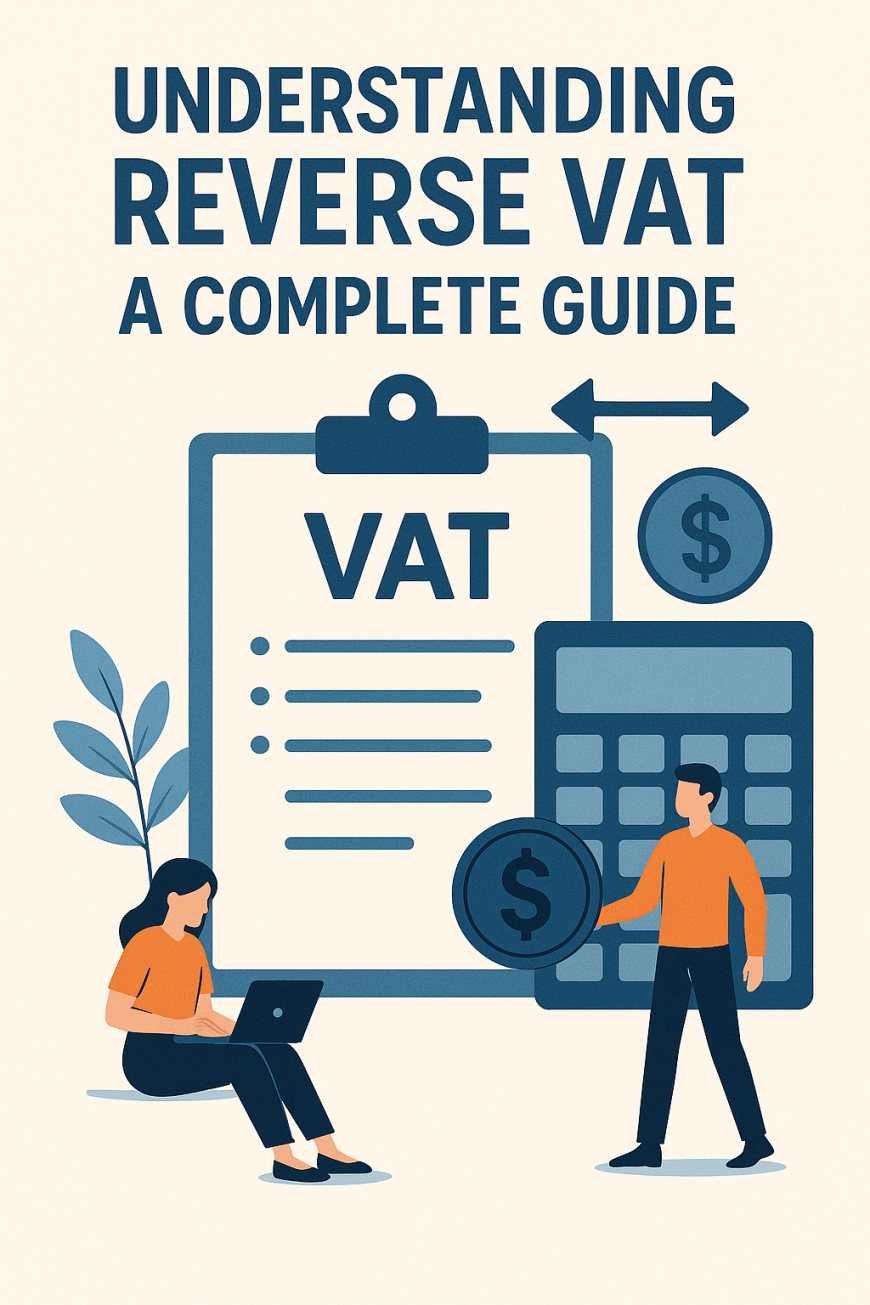
Understanding the Intricacies of VAT is essential for any individual running a business. One of the most significant VAT mechanisms is the reverse VAT mechanism. This is designed to streamline the overall VAT processing and reduce any scams in this system. Usually, when a VAT-registered supplier sells goods, the VAT is charged to the customers by the seller and paid to the relevant tax authorities later. In the reverse VAT procedure, this responsibility has shifted to the customers, and they pays the tax directly to the tax authorities instead of the supplier. This new procedure has completely changed the VAT regulations and introduced fresh customer opportunities and obligations.
Many customers are still unaware of what is Reverse charge vat and how it works.
So, let’s break down the core concept of the Reverse VAT.
What is Reverse VAT Charge
Reverse charge is the tax collection mechanism used to calculate the VAT. In this new vat reverse charge, reverse mechanism, the responsibility of reporting and paying the VAT has been shifted to the buyer from the supplier of the goods or services. This new rule, Reverse VAT charge, has been imposed to avoid any fraud in VAT and maintain transparency in the current taxation system. Simplifying the current taxation system it helps suppliers to stay compliant with the government regulations and reduces any scams in the taxation system. It is very helpful, especially for cross-border transactions or specific domestic supplies that are vulnerable to VAT fraud.
When this reverse VAT charge is applied, the seller generates an invoice without VAT charged. After that, the customer calculates the VAT payable amount at this gross sum in his country and reports to the relevant tax authorities.
How Does Reverse VAT Charge Work
In case, the reverse charge is applied in your region, being a supplier, you have to generate an Invoice without VAT, and the buyers will assess the VAT charge by themselves. The requirements for both the supplier and the customer is split in the reverse vat calculator.
-
For Supplier: The supplier of goods and services generates an invoice with some specific details like the customer’s VAT number, along with a note mentioning “Reverse Charge applied”.
-
For Customer: The buyer receives the invoice without charged VAT. In the meantime, the customer has to be prepared to pay VAT return, and they calculate the VAT amount manually and report it to the concerned authorities as a due or deductible in their VAT return. Foir instance, If Company X issues an invoice with reverse charge to Company Y for a value of 100Rs/-, company B will only pay 100Rs/- to Company X. When the entity Y starts preparing its VAT return, it will manually calculate VAT on the 100Rs/- so 20% of 100Rs/- equals 20Rs/- . These 20 Rs/- are considered under the sales section of Company Y´s VAT return (as output VAT) and the purchases section of the same VAT return (input VAT).
In this vat reverse charge the tax authorities can see the transactions mentioned as a VAT return for supplies of goods or services abroad.
Visit us: accountinglads.com