Restore Your Knees: Total Knee Replacement in Islamabad
Total Knee Replacement in Islamabad by top specialists. Say goodbye to knee pain with safe, effective, and lasting results!
 zainabbasi12
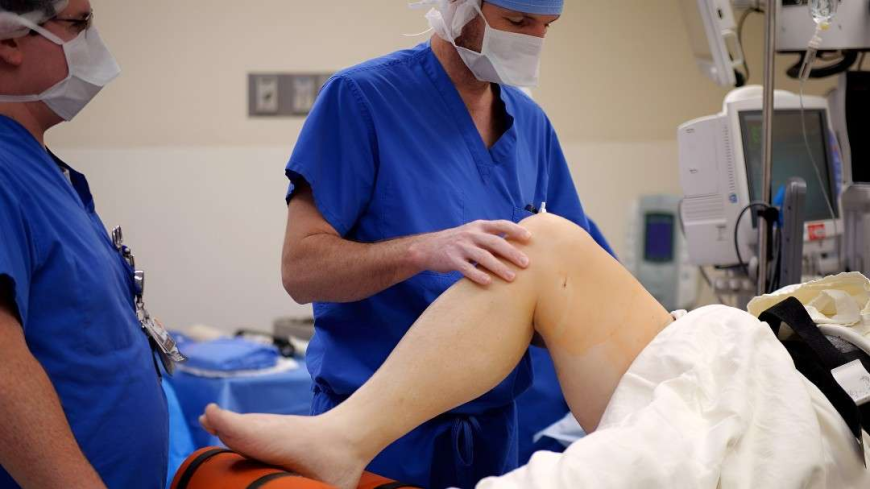
Living with knee pain can make even simple tasks like walking, climbing stairs, or standing for long periods a struggle. For individuals with advanced arthritis or severe knee joint damage, total knee replacement in Islamabad has become a highly effective solution. This procedure helps relieve chronic pain, restore mobility, and significantly improve overall quality of life.
Thanks to advancements in surgical techniques and post-operative care, patients can now experience faster recovery and better outcomes. This article offers a comprehensive guide on total knee replacement, covering procedure details, cost, physiotherapy, recovery, and exercises for balance and long-term knee health.
What Is Total Knee Replacement?
Total knee replacement (TKR) is a surgical procedure in which a damaged knee joint is removed and replaced with artificial components made of metal and high-quality medical-grade plastic. The main goal of this surgery is to relieve pain, correct deformities, and restore joint functionality.
This procedure is usually recommended for patients suffering from:
-
Severe osteoarthritis causing cartilage deterioration
-
Rheumatoid arthritis leading to joint inflammation and deformity
-
Post-traumatic arthritis from previous injuries
-
Chronic pain that does not respond to medications or conservative treatments
-
Reduced mobility affecting daily life
During the surgery, the orthopedic surgeon removes the damaged cartilage and bone and replaces it with a prosthetic implant designed to mimic the natural movement of the knee joint.
Who Should Consider Total Knee Replacement in Islamabad?
Not all knee pain requires surgical intervention. Total knee replacement is typically advised for patients who have not found relief through medications, injections, weight management, or physiotherapy. Suitable candidates often experience:
-
Persistent knee pain, even at rest
-
Difficulty performing daily activities like walking or climbing stairs
-
Severe stiffness or swelling in the knee
-
Extensive joint damage visible on X-rays
-
Disruption of sleep or overall quality of life due to knee discomfort
Orthopedic specialists evaluate each patient carefully to ensure that surgery is the most appropriate option. Age is considered, but overall health, mobility, and severity of joint damage are the primary determining factors.
Bilateral Total Knee Replacement
Some patients experience severe arthritis in both knees, making bilateral total knee replacement necessary. This procedure can be performed either simultaneously or in stages.
Simultaneous bilateral replacement involves operating on both knees during the same surgery. This approach reduces total hospital visits and recovery time but requires thorough health assessment.
Staged bilateral replacement means each knee is replaced in separate surgeries, spaced several weeks or months apart. This approach is often safer for older patients or those with underlying medical conditions. The best approach is determined by the patient’s overall health, medical history, and the surgeon’s recommendation.
Step-by-Step Total Knee Replacement Procedure
Understanding the surgical process can help patients feel more prepared and confident. The surgery typically involves several stages:
Pre-Surgical Assessment: Patients undergo blood tests, imaging studies, and evaluations to ensure they are medically fit for surgery. Medications may need to be adjusted prior to the procedure.
Anesthesia: The surgery is performed under general or spinal anesthesia, depending on the patient’s health and the anesthesiologist’s guidance.
Surgical Process: The surgeon makes an incision in the knee, removes damaged cartilage and bone, and places the prosthetic implant. Accurate alignment of the implant is essential for smooth movement and long-term functionality.
Closure and Dressing: After the implant is secured, the incision is closed using sutures or staples, and a sterile dressing is applied. The surgery usually takes 1–2 hours per knee.
Total Knee Replacement Cost in Islamabad
For many patients, cost is a significant consideration. The total knee replacement cost depends on several factors, including the hospital, surgeon’s expertise, type of implant, whether the procedure is single or bilateral, length of hospital stay, and post-operative rehabilitation services.
In Islamabad, the cost of total knee replacement ranges from PKR 500,000 to PKR 1,500,000. Patients should consult hospitals directly for detailed estimates and explore insurance coverage or installment plans if needed.
Recovery After Total Knee Replacement
Recovery from total knee replacement in Islamabad is gradual and requires patience. Most patients begin walking with assistance within 24 hours after surgery.
Hospital Stay: Patients typically remain in the hospital for 3–5 days, during which medical staff monitor pain, wound healing, and early mobility.
Initial Weeks at Home: Patients gradually increase mobility using walkers or crutches, follow prescribed pain management routines, and perform daily wound care.
Full Recovery: Significant improvement is generally observed within 6–12 weeks, but complete recovery may take up to six months depending on age, overall health, and adherence to rehabilitation protocols.
Total Knee Replacement Physiotherapy
Total knee replacement physiotherapy is a vital part of recovery. Surgery alone does not restore full joint function. Physiotherapy helps rebuild strength, improve mobility, and enhance flexibility.
Physiotherapy usually begins the day after surgery and may include:
-
Gentle range-of-motion exercises
-
Muscle strengthening exercises
-
Walking and gait training
-
Stair climbing practice
Consistent physiotherapy reduces the risk of stiffness, prevents blood clots, and accelerates return to normal activities. Patients who follow their rehabilitation plan consistently experience better long-term results.
Balance Exercises After Total Knee Replacement
Regaining balance is crucial during recovery. Weak muscles and temporary joint instability can increase the risk of falls. Balance exercises after total knee replacement are essential to restore stability and strength. Recommended exercises include:
-
Standing on one leg while holding support
-
Heel-to-toe walking along a straight line
-
Side leg lifts to strengthen thigh and hip muscles
-
Mini squats to enhance knee stability
-
Step-ups on low platforms to improve functional strength
These exercises should be performed under the guidance of a physiotherapist, especially in the early stages of recovery. Regular practice improves coordination, confidence, and overall knee function.
Benefits of Total Knee Replacement
Patients undergoing total knee replacement in Islamabad often experience significant improvements in daily life. Benefits include:
-
Reduction or elimination of chronic knee pain
-
Improved mobility and flexibility
-
Better sleep quality
-
Greater independence in day-to-day activities
-
Ability to participate in low-impact exercises such as walking, swimming, and cycling
With enhanced knee function, many patients resume activities that were previously restricted due to pain and stiffness.
Risks and Complications
Like any major surgery, total knee replacement carries some risks. While serious complications are uncommon, patients should be aware of:
-
Infection at the surgical site
-
Blood clots in the legs
-
Loosening or wear of the implant over time
-
Nerve or tissue damage
-
Persistent stiffness or discomfort
Choosing an experienced orthopedic surgeon and adhering to post-operative care instructions significantly lowers these risks.
Longevity of Knee Implants
Modern knee implants are durable and often last between 15–20 years or more. Implant longevity depends on factors such as the patient’s weight, activity level, adherence to physiotherapy, and overall joint care. Maintaining a healthy lifestyle and avoiding high-impact activities contributes to the long-term success of the implant.
Preparing for Surgery
Proper preparation enhances surgical outcomes. Patients are generally advised to:
-
Maintain a healthy weight
-
Quit smoking and avoid alcohol before surgery
-
Control chronic health conditions such as diabetes or hypertension
-
Prepare the home environment for safe movement post-surgery
-
Arrange for family or caregiver support during recovery
Mental preparation is equally important. Understanding the recovery timeline and setting realistic expectations can improve confidence and adherence to rehabilitation.
Why Islamabad Is a Preferred Destination
Islamabad has emerged as a leading destination for orthopedic procedures due to its skilled surgeons, advanced hospital facilities, and comprehensive rehabilitation services. Patients benefit from modern surgical techniques, personalized care, and structured recovery plans, making it a preferred choice for total knee replacement in Pakistan.
Conclusion
Chronic knee pain can severely impact quality of life, but total knee replacement in Islamabad offers an effective solution. From understanding the procedure and bilateral total knee replacement options to exploring total knee replacement cost, physiotherapy, and balance exercises after total knee replacement, patients can make informed decisions for optimal outcomes.
With proper surgical care, dedication to total knee replacement physiotherapy, and adherence to recovery protocols, most patients regain mobility, independence, and enjoy a more active, pain-free life.