Restaurant Kitchen Equipment for Efficient Food Preparation
Find practical restaurant kitchen equipment for cooking, preparation, refrigeration, storage, and cleaning. Choose suitable equipment based on your menu, space, and daily workload.
 cooktechkitchen
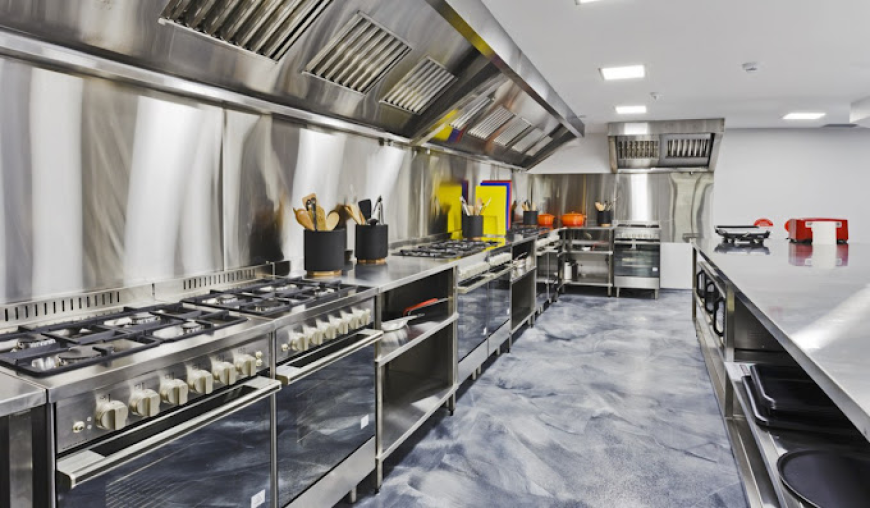
A restaurant kitchen needs to handle preparation, cooking, storage, cleaning, and service without unnecessary delays. The right Restaurant kitchen equipment helps staff manage these tasks in an organised way and supports consistent food production during busy hours.
Every restaurant has different requirements. A small café, a full-service restaurant, a hotel kitchen, and a large catering operation will not need the same equipment. The right selection depends on the menu, kitchen size, expected orders, staff, and style of service.
Planning Restaurant Kitchen Equipment
Equipment selection should begin with the kitchen workflow. Ingredients typically move from storage to preparation, then to cooking and finally to plating or serving. Cleaning and waste handling should also have clearly defined areas.
When equipment follows this natural movement, staff can work with less unnecessary movement. This can be especially useful during busy service periods when several orders are being prepared at the same time.
The available space should also be measured before purchasing large equipment. A machine may have excellent capacity, but it will not be useful if it makes the kitchen difficult to move around.
Essential Equipment for Restaurant Kitchens
The equipment required depends on the type of food being prepared. Most professional kitchens need a combination of cooking, preparation, refrigeration, storage, and washing equipment.
Cooking areas may include commercial ranges, burners, ovens, fryers, grills, and other appliances. Preparation areas can include stainless-steel work tables, sinks, cutting stations, mixers, and food preparation machines.
Refrigeration and storage are equally important. Ingredients need to be stored properly and kept accessible to kitchen staff throughout the working day.
Choosing Equipment According to the Menu
The menu should guide equipment selection. A restaurant specialising in grilled dishes may need different cooking equipment from a bakery or a restaurant serving traditional Indian food.
Before buying equipment, make a list of the main dishes and identify the machines required for their preparation. This helps avoid purchasing equipment that is rarely used.
Capacity should also match the expected workload. Equipment that is too small can create delays, while unnecessarily large equipment can take up valuable floor space.
Quality and Durability Matter
Restaurant equipment is used repeatedly and often operates for long hours. It should therefore be selected with durability and maintenance in mind.
Construction quality, ease of cleaning, operating controls, energy consumption, spare parts, and service availability are all worth checking before making a purchase.
Stainless-steel equipment is commonly preferred in professional kitchens because it provides a clean working surface and can be maintained with regular cleaning.
Kitchen Layout and Staff Movement
Good equipment alone cannot make a kitchen efficient. Placement is equally important.
Frequently used equipment should be positioned where staff can reach it easily. Cooking equipment should have sufficient surrounding space, while preparation and storage areas should remain convenient for the kitchen team.
Ventilation should also be considered when planning cooking equipment. Heat, smoke, and vapour need to be managed properly to maintain a comfortable working environment.
CookTech Kitchen
CookTech Kitchen provides equipment solutions for restaurants and other professional food-service businesses. Its range can support different kitchen requirements, from preparation and cooking to storage and cleaning.
The focus should be on creating a kitchen that matches the actual needs of the business. Equipment selection, layout, workflow, hygiene, and maintenance all need to work together for the best result.
Maintenance of Restaurant Equipment
Regular maintenance can help keep equipment performing properly. Kitchen staff should clean equipment after use, follow operating instructions, and report unusual sounds, leaks, or performance problems.
Periodic servicing can also help identify issues before they interrupt restaurant operations. Proper care may extend the useful life of equipment and reduce avoidable repair costs.
Conclusion
The right Restaurant Kitchen Equipment In Gurgaon can make daily food preparation more organised and efficient. From cooking and refrigeration to preparation and washing, each piece of equipment should have a clear purpose within the kitchen.
Before purchasing, consider the menu, available space, expected workload, equipment capacity, maintenance needs, and long-term operating costs. A well-planned kitchen gives staff a more comfortable working environment and helps restaurants maintain a steady food-service operation.