Repurposing Waste Materials: Creative Solutions for a Circular Economy Future
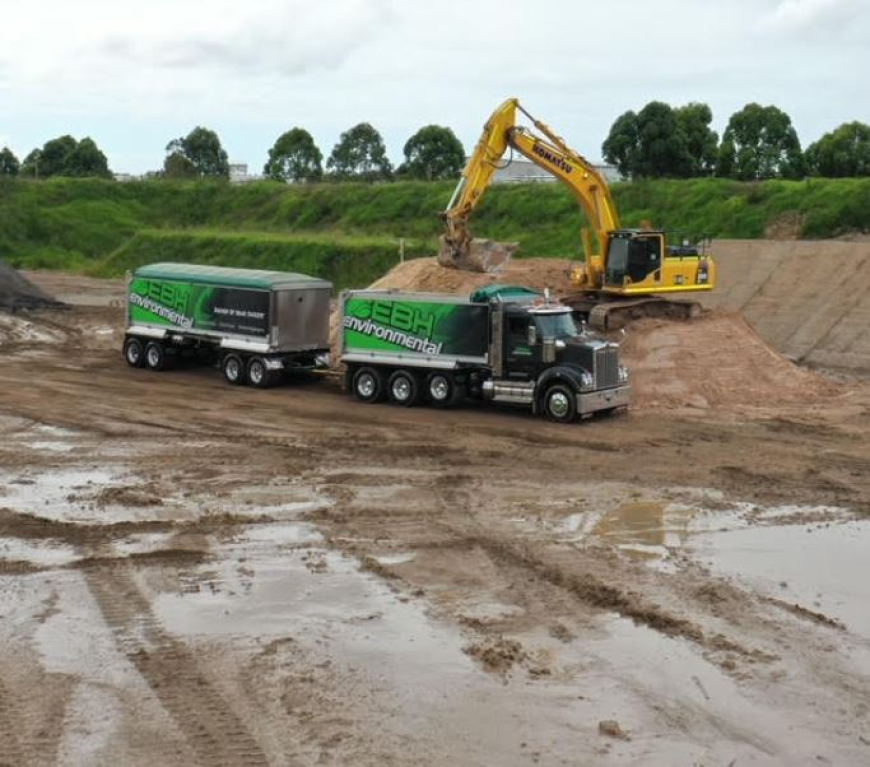
In today’s rapidly changing world, managing waste has become one of the most pressing challenges for communities, industries, and governments alike. Traditional approaches to waste management, such as landfilling and incineration, have long-term environmental consequences and fail to address the root of the problem. A promising alternative is waste repurposing, a practice that transforms discarded materials into valuable resources, fostering a circular economy and reducing the strain on natural ecosystems. EBH Environmental is at the forefront of promoting innovative solutions that turn waste into opportunity, demonstrating that sustainability and creativity can coexist.
Waste repurposing is not simply about recycling; it is about rethinking the lifecycle of materials entirely. Instead of viewing discarded items as useless, they are seen as resources with potential for new applications. For instance, industrial by-products, once considered waste, can be converted into construction materials, insulation, or even artistic installations. Similarly, household items like glass bottles, textiles, and plastics can be transformed into functional products or decorative pieces. This shift in perspective not only reduces landfill accumulation but also encourages innovative thinking across industries, allowing businesses to discover unexpected value in what was once considered waste.
A key component of waste repurposing is design thinking. Products and materials need to be designed or re-engineered with their end-of-life in mind, ensuring that they can be effectively reused or transformed. For example, furniture made from reclaimed wood or metal can offer both durability and aesthetic appeal while minimizing environmental impact. Fashion brands are increasingly experimenting with upcycled fabrics, turning surplus textiles into stylish, eco-friendly clothing lines. By integrating creative design with sustainable practices, waste repurposing becomes a bridge between environmental responsibility and consumer engagement, fostering a culture that values resourcefulness and ingenuity.
Beyond design, technology plays a crucial role in facilitating waste repurposing. Advanced sorting systems, material analysis, and manufacturing innovations allow businesses to identify, process, and repurpose waste more efficiently than ever before. In the construction industry, recycled concrete and plastics are being incorporated into new building projects, reducing the reliance on virgin materials. In agriculture, organic waste is converted into compost or bioenergy, closing the loop in nutrient and energy cycles. EBH Environmental leverages these technological advancements to create solutions that are not only environmentally sound but also economically viable, proving that sustainability can be a driver of innovation and profit.
Community engagement is another essential aspect of successful waste repurposing initiatives. Encouraging households and local businesses to participate in waste separation and repurposing programs creates a network of shared responsibility. Educational campaigns, workshops, and incentive programs can inspire individuals to see the value in what they might otherwise discard. By fostering awareness and participation at the grassroots level, waste repurposing becomes a collective effort that strengthens social and environmental resilience. EBH Environmental actively works with communities to implement programs that turn local waste challenges into opportunities for education, employment, and creative expression.
One of the most compelling benefits of waste repurposing is its contribution to a circular economy. Unlike the traditional linear model of “take, make, dispose,” a circular economy focuses on keeping materials in use for as long as possible. Waste repurposing embodies this principle, ensuring that resources continue to provide value long after their initial use. This approach reduces pressure on landfills, decreases greenhouse gas emissions, and conserves natural resources. Furthermore, by creating secondary markets for repurposed goods, it stimulates economic growth while encouraging environmentally responsible behavior. EBH Environmental’s initiatives demonstrate that circular economy principles are not abstract concepts—they are practical, actionable strategies that yield tangible environmental and social benefits.
The creative potential of waste repurposing is vast and often surprising. Artists and designers are increasingly exploring the use of reclaimed materials to produce one-of-a-kind pieces that challenge conventional notions of beauty and utility. Urban planners are incorporating recycled materials into public spaces, creating parks, benches, and playgrounds from items that would otherwise contribute to waste streams. Businesses are discovering that eco-conscious products appeal to consumers who prioritize sustainability, opening new avenues for brand differentiation and market expansion. By embracing creativity, waste repurposing transforms environmental responsibility into an opportunity for innovation and cultural enrichment.
Looking ahead, the role of waste repurposing in building a sustainable future cannot be overstated. As global populations grow and consumption continues to rise, the need for efficient, innovative, and scalable waste management solutions becomes increasingly urgent. Companies like EBH Environmental are demonstrating that waste is not merely a problem to be managed but a resource to be harnessed. Through the integration of design, technology, community engagement, and circular economy principles, waste repurposing offers a pathway toward a future where materials are continuously valued, resources are conserved, and environmental impact is minimized.
Ultimately, waste repurposing near me is more than a practical solution—it is a mindset. It challenges society to rethink consumption patterns, prioritize sustainability, and embrace creativity in problem-solving. By turning waste into opportunity, EBH Environmental is helping pave the way for a circular economy future that benefits not just the environment, but also communities, businesses, and individuals alike. In a world where resources are finite and environmental challenges are mounting, repurposing waste is a vital, transformative strategy for achieving sustainable progress.
Check out related articles on our blog: waste management service