Pulp and Paper Industry: Overview, Process, Challenges & Future
The pulp and paper industry is a key global sector that manufactures paper and related products from raw materials like wood, recycled paper, and agricultural waste. It includes pulp production, paper manufacturing, and recycling. Major types of pulp include mechanical, chemical, and thermo-mechanical, each suited for different paper products. Key products range from printing paper and tissue to packaging materials. While countries like China, the U.S., Canada, and India dominate production, the industry faces significant challenges including deforestation, high water and energy usage, and pollution. In response, companies are embracing sustainability, recycling, eco-friendly processes, and certified forestry. The future of the industry lies in green technology, bio-based alternatives, and growing demand from e-commerce and hygiene sectors.
 bloggershera
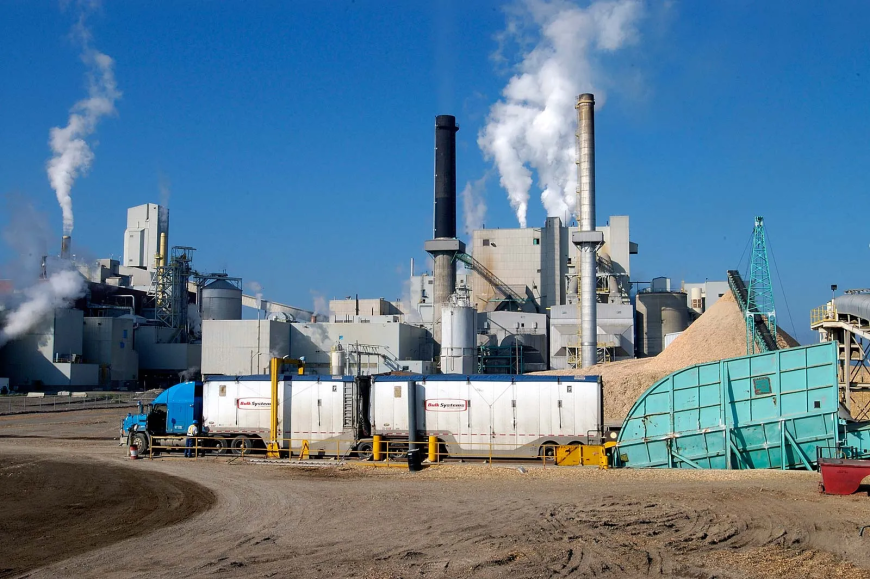
The pulp and paper industry is a vital segment of the global economy, responsible for producing paper, paperboard, and a range of packaging materials used in printing, writing, packaging, hygiene, and industrial applications. Despite digital transformation, global demand for paper products continues, especially in packaging and tissue segments.
What is the Pulp and Paper Industry?
The pulp and paper industry revolves around the manufacturing of pulp, a fibrous material derived mainly from wood, recycled paper, or agricultural waste, which is then processed to create paper and related products.
The industry is divided into:
-
Pulp Production
-
Paper Manufacturing
-
Recycling and Waste Management
History and Evolution
The industry dates back to 105 AD in China, when Ts’ai Lun first created paper using mulberry bark. Industrial paper production began in 18th century Europe, evolving rapidly with the invention of mechanical and chemical pulping methods.
By the 20th century, the pulp and paper industry had become a cornerstone of industrial development in countries like the United States, Canada, Finland, Sweden, China, and India.
Raw Materials Used
1. Wood Fibers
-
Softwood (e.g., pine, spruce) for strength
-
Hardwood (e.g., eucalyptus, birch) for smoothness
2. Non-Wood Fibers
-
Bagasse (sugarcane waste)
-
Straw, bamboo, jute, hemp
-
Especially used in countries like India, China, and Brazil
3. Recycled Paper
-
Post-consumer and industrial waste paper
-
Increasingly important for sustainability
Pulping Processes
1. Mechanical Pulping
-
Grinding wood into pulp using machines
-
High yield but lower strength
-
Used in newsprint and catalog papers
2. Chemical Pulping
-
Uses chemicals like sodium hydroxide and sulfide (Kraft process)
-
Removes lignin to produce stronger, brighter paper
-
Common for packaging and printing papers
3. Thermo-mechanical Pulping
-
Combines heat and mechanical action
-
Balance between quality and yield
Paper Production Process
-
Pulping – Mechanical or chemical treatment
-
Bleaching – To remove color/lignin
-
Papermaking – Pulp is spread on screens, water drained
-
Pressing & Drying – Sheets formed, dried under heat
-
Finishing – Coating, cutting, packaging
Types of Paper Products
| Type | Common Uses |
|---|---|
| Printing & Writing | Books, notebooks, office documents |
| Tissue | Toilet paper, napkins, paper towels |
| Packaging | Cartons, boxes, bags |
| Newsprint | Newspapers and magazines |
| Specialty Paper | Thermal paper, cigarette paper, filter paper |
Major Global Producers
-
China – World’s largest paper producer and consumer
-
United States – Major exporter of pulp and packaging paper
-
Canada – Leading in softwood pulp production
-
Finland & Sweden – Strong in sustainable forestry
-
India – Rapidly growing with increasing demand for packaging and tissue paper
Environmental Impact
The pulp and paper industry is resource-intensive, using large quantities of:
-
Water
-
Energy
-
Wood
-
Chemicals
Key Environmental Concerns:
-
Deforestation
-
Water pollution (effluent discharge)
-
Air emissions (chlorine, CO2)
-
Solid waste
Sustainability Initiatives
To reduce environmental impact, the industry is adopting:
-
Recycling & circular economy models
-
Bleach-free or Elemental Chlorine-Free (ECF) processes
-
Water treatment systems
-
Sustainable forestry and FSC/PEFC certifications
-
Use of agro-based or non-wood fibers
Challenges Facing the Industry
-
Raw Material Scarcity – Deforestation regulations and high wood costs
-
Digital Substitution – Decline in printing paper demand
-
Energy & Water Use – High operational costs
-
Waste Management – Non-recyclable paper coatings
-
Climate Change Regulations – Pressures to reduce carbon footprint
Future of the Pulp and Paper Industry
The industry is transitioning toward a more sustainable and technology-driven future:
-
Smart factories and AI-based process control
-
Bio-based packaging solutions
-
High-grade recycled paper
-
Growth in tissue, hygiene, and e-commerce packaging
-
Decarbonization of energy use
Conclusion
Despite facing environmental and digital-age challenges, the pulp and paper industry remains critical to modern infrastructure and daily life. The sector is evolving with a strong push towards sustainability, innovation, and responsible consumption, ensuring its relevance in a low-carbon, circular economy.