Potting Soil in Bulk for Fruit Planting | Evergreen Nursery
Planting grapes, figs, or pomegranates this season? Save money buying potting soil in bulk at Evergreen Nursery's San Leandro garden center.
 nurserye835
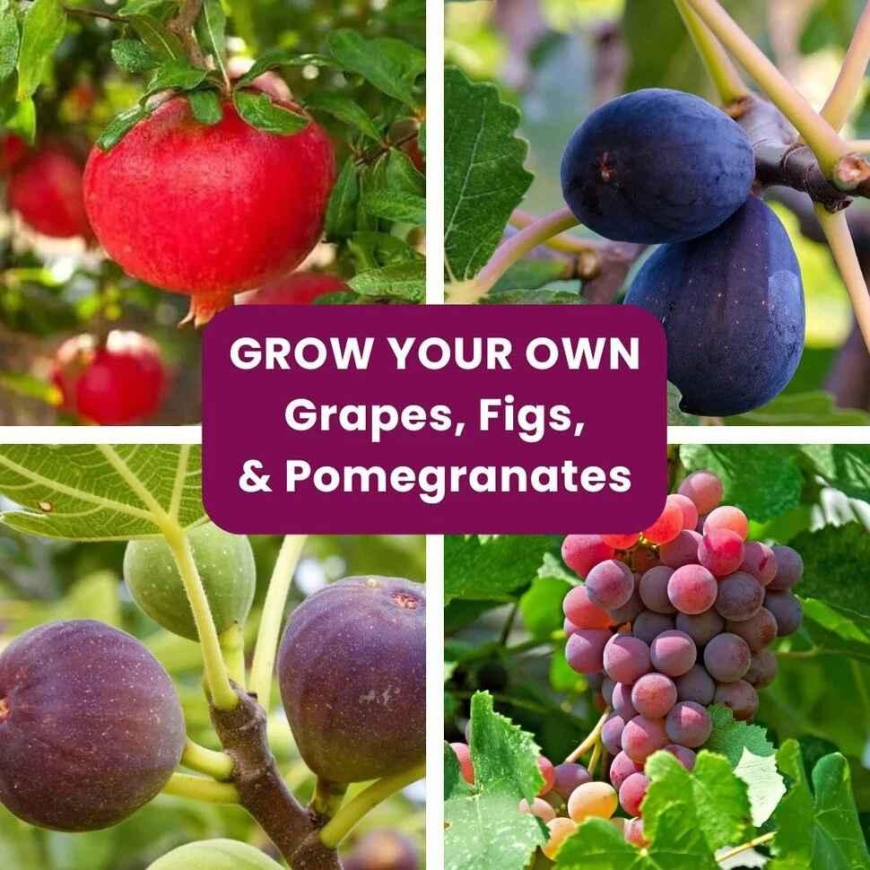
Growing Grapes, Figs & Pomegranates in the East Bay: A Cool Weather Planting Guide
If you're looking to enrich your East Bay garden with productive, long-lived fruit plants, adding grapes, figs, and pomegranates in late fall or early winter is an excellent strategy. These perennial fruits grapes (vining plants), figs (fruiting trees), and pomegranates (multi-stemmed shrubs) all thrive in our Mediterranean-style climate.
At Evergreen Nursery, we regularly help gardeners select and successfully grow varieties such as 'Red Flame Seedless' Grape, 'Black Monuka' Grape, 'Mission' Fig, 'Brown Turkey' Fig, 'Ambrosia' Pomegranate, and 'Eversweet' Pomegranate. Here's how to give these plants the best possible start during the cool planting season.
1. Site & Soil: The Foundation for Healthy Fruit Plants
All three of these perennial fruits grow best in full sun. Grapes are vigorous and need 7–8 hours of sunlight plus a sturdy support structure such as an arbor, trellis, or fence. Figs grow into medium-sized trees with moderate spread, so give them space to expand. Pomegranates are naturally bushy shrubs and can be maintained as multi-stemmed plants or gently trained into small, single-stem trees.
Good drainage is essential, especially for pomegranates. Our East Bay clay soils benefit from organic compost and quality soil amendments to improve aeration and water penetration. Buying potting soil in bulk is often the most economical route if you're planting several fruit plants at once, since bagged mixes get expensive fast when you're filling multiple planting holes or raised beds. If your soil drains slowly, plant your pomegranates on a slight mound or in a small raised bed to elevate the root crown; this will result in a healthier shrub.
In terms of soil pH, grapes prefer neutral to slightly acidic soil, while figs and pomegranates tend to appreciate neutral to slightly alkaline conditions.
2. Planting in Late Fall or Winter
Our mild, rainy winters are ideal for establishing fruit plants with minimal stress. Cool-weather planting gives roots time to expand before the heat of summer arrives, improving health, growth, and long-term resilience.
Planting technique is the same as most trees and shrubs: dig a hole twice as wide as the container and slightly deeper than the root mass. Create a small mound at the bottom of the hole and spread the roots over it before backfilling.
Use mostly native soil with a modest amount of compost and planting mix. Avoid over-enriching the soil directly inside the planting hole, as this discourages outward root growth a common mistake when gardeners rely too heavily on rich bagged mixes rather than blending in native soil.
To support strong root development, blend in a gentle organic starter fertilizer like E.B. Stone Organics Sure Start following package directions. This supports microbial activity and early establishment.
Ensure the root crown stays slightly above soil level. For grapes, be sure to position your plant near its future support structure to simplify early training.
3. Fertilizer: Feeding for Establishment & Growth
Grapes typically don't need fertilizer the first year. Too much nitrogen encourages leafy, sprawling vines with reduced fruiting. Once established, use light spring feedings as needed.
Fig trees grow well with modest nutrition. A single spring application of a balanced fertilizer product, such as an organic fruit tree food, supports healthy leaf, branch, and fruit development without over-stimulating growth.
Pomegranates also benefit from a once-yearly light feeding in spring. Overfertilizing encourages excess vegetative growth and may reduce fruit quality.
4. Mulching: Soil Health & Moisture Management
Like most fruiting plants, grapes, figs, and pomegranates all benefit from correct seasonal use of organic mulch. Typically this is done in fall to protect the planting area from winter rains, and again in spring to protect the plant from summer heat stress.
Apply bulk organic mulch wood chips, shredded bark, or crunched-up dry leaves 2 to 4 inches deep in the planting area. Mulch helps retain moisture, reduces weed competition, prevents soil crusting, and mitigates temperature swings. Sourcing mulch and potting soil in bulk together at planting time saves an extra trip and keeps your whole planting bed consistent.
Keep mulch 4 to 6 inches away from the base of the plant's trunk or stems by forming it into a donut-hole shape with the plant in the center. Never mound the material up against the trunk or stems; this helps prevent fungal diseases and root rot.
5. Watering: Establishment and Long-Term Strategy
Water deeply after planting to settle the soil. During the first year, maintain consistent moisture:
-
Grapes: Water when the top few inches of soil begin to dry. Young vines may need deep watering multiple times per week during summer, depending on weather conditions.
-
Figs: Provide steady moisture through the first dry season. Once established, figs become low-maintenance and moderately drought tolerant.
-
Pomegranates: Water deeply and consistently during establishment. Mature shrubs will tolerate periods of drought, but produce better fruit with consistent watering. Irregular moisture, including surprise rainstorms, can cause fruit cracking.
6. Pruning & Maintenance
Most fruiting plants require some level of pruning to control size and stimulate fruit production. Grapes, figs, and pomegranates are relatively easy in this regard.
-
Grapes require annual dormant-season pruning of their vines to balance fruit production with vine structure.
-
Fig trees benefit from late-winter pruning to remove deadwood and open the canopy for improved airflow.
-
Pomegranate shrubs fruit on new growth. Keep pruning light, focusing on removing dead or crossing branches and shaping the plant. Avoid excessive thinning, which reduces fruiting wood.
7. Pollinators, Pests, and Diseases
When in bloom, grapes, figs, and pomegranates attract beneficial pollinators including bees, strengthening your entire backyard ecosystem. But keep an eye out for these common pest and disease issues:
-
Grapes may develop powdery mildew during warm weather, especially after rain. Seasonal pruning and good sun exposure help prevent it; a copper fungicide can help control an active outbreak.
-
Figs may attract fig beetles or experience soil-related issues if drainage is poor. A spinosad-based insecticidal soap helps knock back this pest.
-
Pomegranates may develop aphid populations, especially on new spring growth. Beneficial insects like ladybugs can be released in your yard as a non-toxic control option.
Read More: Growing Grapes, Figs & Pomegranates in the East Bay: A Cool Weather Planting Guide
Why Buying Potting Soil and Amendments in Bulk Makes Sense
Whether you're planting one fig tree or building out a full edible corner of your yard with grapes, figs, and pomegranates together, buying your soil, compost, and mulch in bulk rather than by the bag is almost always the more cost-effective route. Bulk material also gives you more consistent volume for larger planting holes, raised beds, or multi-plant projects, without the hassle of hauling and opening dozens of individual bags.