How Are Changing Consumer Preferences Reshaping Tea Shop Culture in the Philippines?
Explore how changing consumer preferences, health trends, digital engagement, and premium tea experiences are reshaping tea shop culture across the Philippines.
 kylejeminson
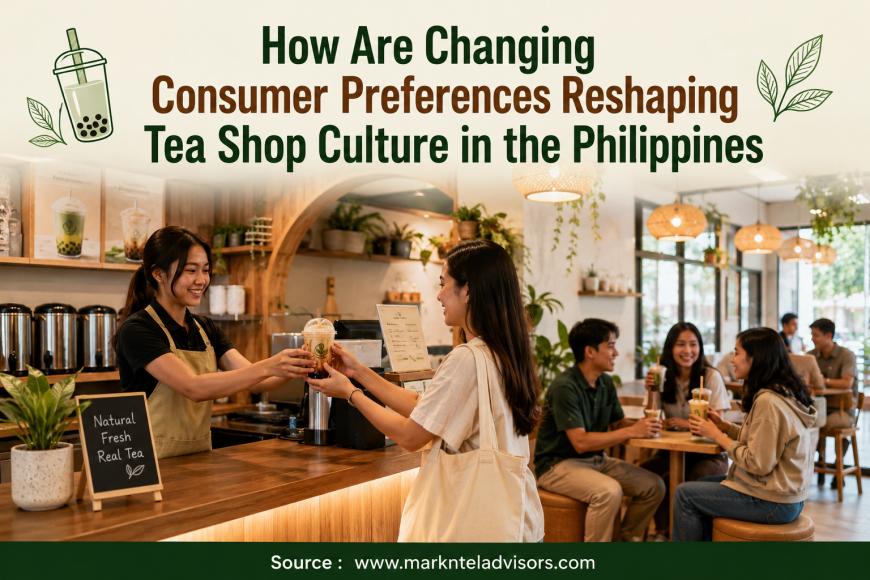
Tea shops have evolved from simple beverage outlets into lifestyle destinations across the Philippines. Rising urbanization, changing consumer habits, and growing interest in customizable drinks have transformed tea shops into popular social spaces for younger consumers and working professionals. From bubble tea innovations to premium tea experiences, the sector continues to adapt to evolving tastes and expectations.
According to a recent study by MarkNtel Advisors, the Philippines tea shop industry was valued at approximately USD 333 million in 2024 and is projected to reach USD 540 million by 2030, growing at a CAGR of around 8.4% during 2025–2030. This Philippines tea shop market analysis highlights how personalization, digital engagement, and premium offerings are influencing consumer spending patterns.
The broader shift toward tea consumption is also supported by health and wellness trends. The World Health Organization has consistently emphasized the importance of healthier dietary choices, while consumers increasingly seek beverages with lower sugar content and functional ingredients. Tea shops are responding by introducing herbal teas, green teas, and reduced-sugar beverage options.
The Rise of Personalized Tea Experiences
One of the strongest drivers behind tea shop growth is the demand for customization. Consumers increasingly want control over their beverages, including tea bases, sweetness levels, toppings, and flavor combinations. This trend has helped tea shops differentiate themselves from traditional beverage outlets.
Research indicates that a significant share of tea drinkers prefers personalized beverage options, encouraging brands to expand their menus with pearls, jellies, fruit infusions, and specialty ingredients. Such customization not only enhances customer satisfaction but also creates a more engaging purchasing experience.
The popularity of customized drinks reflects a broader consumer trend where experiences often carry as much value as the product itself.
Asian Pop Culture Continues to Influence Consumption
The influence of Asian entertainment and culture has become increasingly visible in food and beverage choices throughout the Philippines. Korean dramas, Japanese anime, and Chinese lifestyle trends have contributed to growing interest in beverages such as matcha-based drinks, milk teas, and specialty tea blends.
Many tea shop brands have successfully incorporated these cultural influences into their product offerings and store aesthetics. The growing popularity of themed beverages and limited-edition flavors demonstrates how cultural trends can directly affect consumer demand and purchasing decisions.
As a result, tea shops are increasingly viewed as cultural and social hubs rather than simply retail beverage outlets.
Health Consciousness Is Creating New Opportunities
Health awareness is encouraging consumers to explore alternatives to traditional sugary drinks. Green tea, herbal infusions, and functional beverages are becoming more visible across tea shop menus as customers seek products associated with wellness and balanced lifestyles.
The Food and Agriculture Organization has highlighted the growing global interest in sustainable and plant-based food and beverage choices. This trend aligns with the increasing availability of organic ingredients, natural flavorings, and health-focused tea products within the Philippines.
Many operators are also introducing ingredients associated with antioxidants and wellness benefits, helping attract health-conscious consumers while broadening their customer base.
Digital Platforms Are Transforming Customer Engagement
Social media has become a powerful marketing channel for tea shops. Platforms such as Facebook, Instagram, and TikTok play a major role in helping consumers discover new brands, products, and seasonal beverage launches.
The extensive use of digital marketing has encouraged tea shops to invest in visually appealing packaging, influencer collaborations, and user-generated content campaigns. According to industry observations, social media continues to influence purchasing decisions, particularly among younger consumers who actively share food and beverage experiences online.
This report provides insights into industry growth trends that show how digital engagement is becoming as important as product quality in attracting customers.
Premium Tea Is Gaining Momentum
As disposable incomes rise, many consumers are showing greater willingness to spend on premium beverage experiences. Specialty teas sourced from regions such as Japan and Taiwan are becoming increasingly popular among customers seeking higher-quality products.
Premium offerings often feature unique flavors, specialty preparation methods, and imported ingredients. While regular-priced beverages remain the largest segment, the premium category represents a growing opportunity for tea shop operators aiming to diversify revenue streams.
The global demand is rising steadily, and detailed insights can be found in the Philippines tea shop industry report, which highlights the growing appeal of premium tea experiences across urban consumer groups.
Looking Ahead
The Philippines tea shop sector continues to evolve through a combination of cultural influences, health awareness, digital engagement, and product innovation. As consumers seek more personalized and experience-driven beverage options, tea shop operators are adapting their strategies to meet changing expectations.
According to this tea shop growth forecast, continued innovation in flavors, premium offerings, and customer engagement strategies is expected to remain central to industry development over the coming years. With strong consumer interest and expanding urban lifestyles, tea shops are likely to maintain their role as an important part of the country's beverage landscape.