Pancake Optical Module: The Game-Changer in Compact AR/VR Displays
As AR and VR devices become increasingly compact and lightweight, the need for smaller, high-performance optical systems has intensified. One technology that stands out in this evolution is the pancake optical module.
 arvroptical
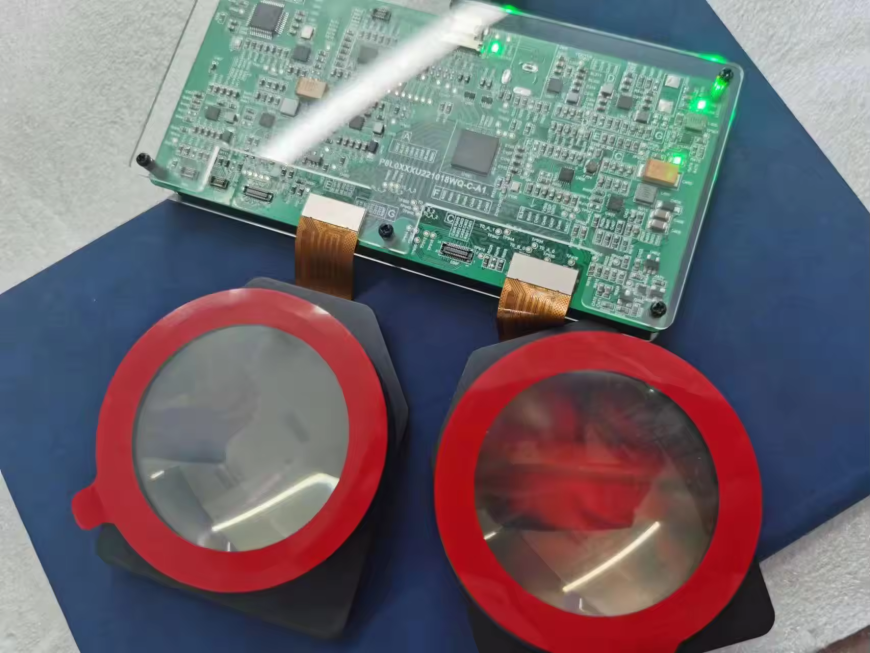
As AR and VR devices become increasingly compact and lightweight, the need for smaller, high-performance optical systems has intensified. One technology that stands out in this evolution is the pancake optical module. This innovative optical solution enables ultra-thin lens setups, making it ideal for next-generation wearable displays. By using polarized light and reflective optics, the pancake lens system achieves a folded optical path, which helps minimize thickness without sacrificing image clarity.
With growing applications in fields like education, training, remote collaboration, and entertainment, understanding the technology behind pancake optics is essential for developers and innovators. In this article, we’ll explore how pancake modules work, their advantages, and why they are shaping the future of AR/VR headsets.
What Is a Pancake Optical Module?
A pancake optical module is a compact lens system designed to shorten the distance between the display and the user’s eye. It utilizes a folded optical path—often based on polarized light and reflection—where light bounces between coated surfaces before reaching the eye. This clever configuration drastically reduces the size of the lens stack.
Unlike traditional Fresnel or bird bath optics, pancake modules can achieve a thinner, flatter profile while maintaining a wide field of view and minimal image distortion. This makes them highly suitable for AR/VR devices that require both portability and high visual fidelity. It’s a perfect solution for companies aiming to produce lightweight, all-day wearable headsets.
Advantages of Pancake Optics in Wearables
The most significant benefit of a pancake module is its ability to create thinner, lighter devices without compromising on display performance. With enhanced contrast, reduced glare, and low chromatic aberration, users enjoy a clearer and more immersive experience.
The technology also allows for improved eye-box positioning and wider fields of view, both of which are essential for comfortable and natural interactions in extended reality environments. Furthermore, the pancake design supports high-resolution micro-displays, enabling detailed visuals ideal for professional and consumer use alike.
Applications in Modern AR/VR Systems
Pancake optical modules are widely used in lightweight VR headsets, smart glasses, and mixed-reality wearables. As industries like gaming, manufacturing, healthcare, and defense embrace AR/VR, the demand for compact yet powerful display solutions continues to grow.
Leading hardware manufacturers are integrating pancake optical modules into their headsets to offer more comfortable and ergonomic designs. Their ability to support next-gen spatial computing experiences makes them a preferred option over bulkier alternatives, particularly in long-duration or mobile use cases.
Conclusion
As the AR/VR market continues to expand, there is a growing demand for optical systems that can deliver high-quality visuals in a slim, user-friendly form. The pancake optical module is a breakthrough in this space, providing a practical path to thinner, lighter, and more efficient headsets. Its use of folded optics and polarization creates an elegant solution to many of the limitations faced by traditional lens designs.
By improving image quality, comfort, and device portability, this optical module stands at the forefront of immersive technology. Whether you’re developing enterprise-grade smart glasses or consumer VR gear, pancake optics should be at the core of your design strategy. It’s not just a lens—it’s a leap forward in wearable visual innovation.