Office Carpet Cleaning vs. DIY: Which Option Saves More Money?
Professional carpet cleaning beats DIY long-term — factoring equipment costs, labor time, mold risk, and carpet lifespan, expert service actually saves more money.
 Adome
Adome
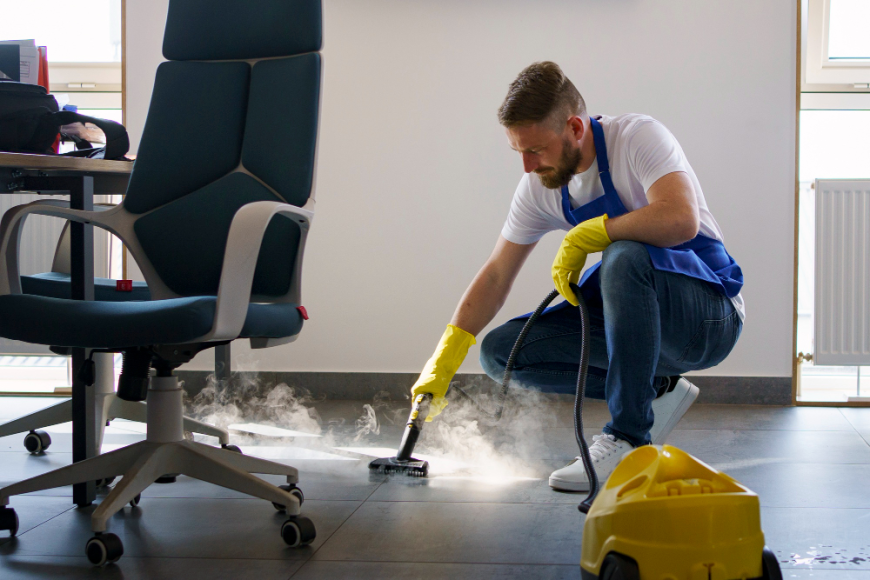
Somewhere in a Pittsburgh office park, a facilities manager is standing over a rental steam cleaner, wondering why the carpet still looks patchy after two hours of effort. Nearby, a stack of invoices sits on the desk — coffee stains near reception, scuff marks by the break room, that one persistent smell nobody wants to name. The question isn't really "clean or dirty." It's which method actually costs less once everything gets tallied up.
That's where commercial carpet cleaning services Pittsburgh businesses rely on start looking less like an expense and more like a calculated move. DIY feels cheaper on paper. Reality tends to disagree.
The Hidden Math Behind DIY Cleaning
Rental machines run somewhere between $30 and $60 a day, plus solution costs, plus the labor of whoever gets assigned the job — usually someone pulled away from actual work duties for half a day. Multiply that across a few thousand square feet of office space, and the "savings" start evaporating fast.
There's also equipment limitation to consider. Rental units rarely extract water as thoroughly as commercial-grade machines, which means carpets stay damp longer. Damp carpet in an office environment isn't just inconvenient — it's practically an invitation for mold and mildew, especially in Pittsburgh's humidity swings. Nobody budgets for that risk until it shows up as a moldy smell three weeks later.
Why Professional Equipment Changes the Equation
Commercial-grade extraction machines pull significantly more moisture and dirt out of fibers than consumer units. That efficiency isn't just about clean carpets looking nicer — it's about carpet longevity. Fibers that stay saturated too long break down faster, and replacing carpet runs into thousands of dollars far sooner than expected.
Professionals also understand fiber types, foot-traffic zones, and stain chemistry in ways DIY simply can't match. Coffee stains, ink marks, grease tracked in from a nearby loading dock — different substances require different treatment, and getting it wrong sometimes sets a stain permanently instead of removing it.
The Productivity Cost Nobody Talks About
Here's an angle that often gets ignored: employee time spent cleaning is employee time not spent working. A two-hour DIY carpet session multiplied across a facilities team adds up to real payroll dollars, even if nobody labels it that way on a spreadsheet.
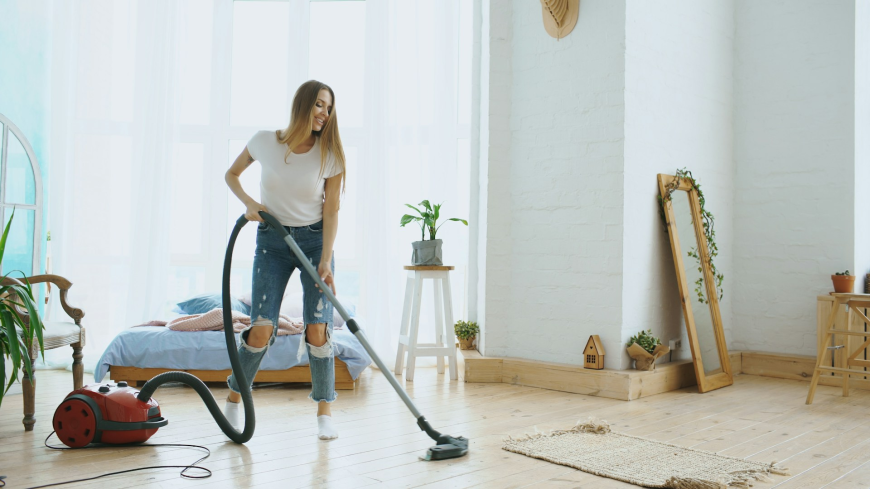
Ever noticed how businesses rarely calculate "opportunity cost" when discussing cleaning? They should. Commercial services complete jobs faster, usually after hours or during low-traffic windows, meaning zero disruption to daily operations. That alone often justifies the cost difference.
Health, Air Quality, and the Numbers Behind Sick Days
Carpet holds allergens, bacteria, and dust in ways that vacuuming alone can't fully address. Offices with poor carpet maintenance tend to see more respiratory complaints, more allergy flare-ups, occasionally more sick days. It's not dramatic — just a slow accumulation of minor irritants building into something noticeable.
Businesses with foot traffic from clients or patients face even steeper stakes. A dental office cleaning service, for instance, deals with far stricter hygiene expectations than a typical office space — patients notice cleanliness immediately, sometimes subconsciously judging trustworthiness based on how a waiting room carpet looks and smells. That perception matters more than most business owners realize.
Longevity: The Number That Actually Saves Money
Carpet replacement costs far exceed cleaning costs, full stop. A well-maintained commercial carpet can last significantly longer with routine professional cleaning versus inconsistent DIY attempts that leave residue behind, which attracts dirt faster and accelerates wear.
Strange, but true — carpets cleaned improperly sometimes look dirtier within weeks because leftover soap residue acts like a magnet for grime. That's the kind of cycle DIY often creates without anyone realizing it.
So, Which Option Actually Wins?
When factoring in equipment costs, labor hours, moisture-related risks, carpet lifespan, and workplace health, professional cleaning tends to come out ahead — not because DIY is inherently bad, but because it rarely accounts for the full financial picture. Sometimes the "cheaper" option upfront becomes the costlier one over a year or two.
Still, rules exist for a reason. And in this case, the rule seems to be: pay a little more upfront, save considerably more down the line.