Hemogram Test: Purpose, Procedure, Preparation, Results & Benefits
Book a Hemogram Test online with home sample collection. Get accurate blood cell analysis, quick reports, affordable pricing, and reliable diagnostic services.
 redcliffelabs
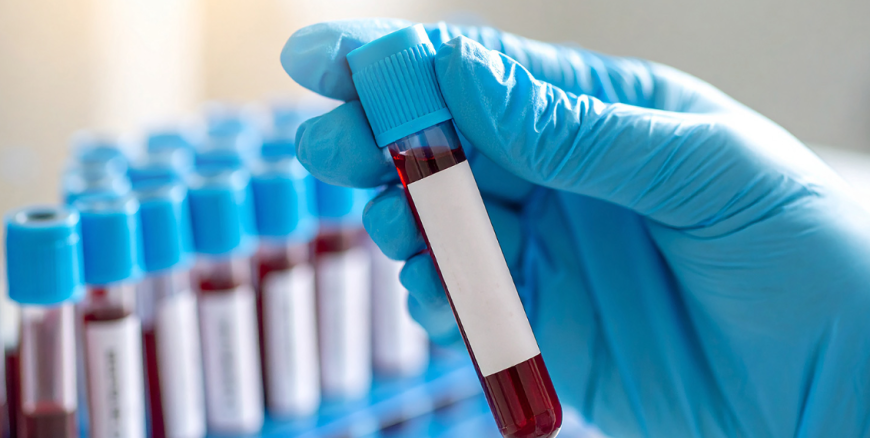
A Hemogram Test, also known as a Complete Blood Count (CBC), is a common blood test that evaluates the overall health of your blood. It measures different blood components, including red blood cells (RBCs), white blood cells (WBCs), haemoglobin, haematocrit, and platelets. Doctors use this test to detect infections, anaemia, inflammation, blood disorders, and monitor overall health.
This article explains the Hemogram Test, why it is performed, preparation, procedure, result interpretation, and its benefits.
What Is a Hemogram Test?
A Hemogram Test is a laboratory blood test that provides detailed information about the cells circulating in your bloodstream. It helps healthcare providers assess your general health and identify abnormalities that may indicate various medical conditions.
A typical Hemogram Test includes:
- Red Blood Cell (RBC) Count
- White Blood Cell (WBC) Count
- Haemoglobin (Hb)
- Haematocrit (HCT)
- Platelet Count
- Mean Corpuscular Volume (MCV)
- Mean Corpuscular Haemoglobin (MCH)
- Mean Corpuscular Haemoglobin Concentration (MCHC)
- Differential White Blood Cell Count
Why Is a Hemogram Test Done?
A Hemogram Test helps to:
- Detect anaemia
- Diagnose infections
- Identify inflammation
- Evaluate blood disorders
- Monitor chronic diseases
- Assess overall health
- Monitor the effectiveness of medical treatment
- Support routine preventive health checkups
Who Should Get a Hemogram Test?
Your doctor may recommend a Hemogram Test if you:
- Experience persistent fatigue or weakness
- Have symptoms of infection
- Develop unexplained fever
- Notice unusual bruising or bleeding
- Have nutritional deficiencies
- Are undergoing regular health screening
- Have chronic medical conditions requiring monitoring
Symptoms That May Require a Hemogram Test
A Hemogram Test may be advised if you have:
- Fatigue
- Weakness
- Fever
- Frequent infections
- Dizziness
- Pale skin
- Shortness of breath
- Easy bruising
- Excessive bleeding
- Unexplained weight loss
How Is the Hemogram Test Performed?
The procedure is quick and simple.
- A healthcare professional cleans the skin over a vein.
- A blood sample is collected from your arm.
- The sample is sent to the laboratory.
- The laboratory analyses various blood components.
- Reports are generally available within 24 hours, depending on the laboratory.
Preparation for a Hemogram Test
Generally, no fasting is required.
Before the test:
- Stay well hydrated.
- Inform your doctor about any medications or supplements.
- Follow any specific instructions provided by your healthcare provider or laboratory.
Understanding Hemogram Test Results
Your results should always be interpreted by a qualified healthcare professional.
Generally:
- Normal Results: Blood cell counts are within the laboratory reference range.
- Abnormal Results: High or low values may indicate anaemia, infection, inflammation, nutritional deficiencies, bleeding disorders, bone marrow disorders, or other medical conditions.
Additional tests may be recommended depending on the findings.
Conditions That a Hemogram Test May Help Detect
A Hemogram Test can assist in identifying:
- Anaemia
- Bacterial and viral infections
- Blood clotting disorders
- Leukaemia
- Nutritional deficiencies
- Inflammatory conditions
- Bone marrow disorders
- Certain chronic diseases
Benefits of a Hemogram Test
The Hemogram Test offers several advantages:
- Early detection of blood-related disorders
- Supports diagnosis of infections
- Monitors ongoing medical treatment
- Evaluates overall health
- Quick and minimally invasive procedure
- Commonly included in preventive health checkups
Tips to Maintain Healthy Blood
To support healthy blood cells:
- Eat a balanced diet rich in iron, vitamin B12, and folate.
- Stay hydrated.
- Exercise regularly.
- Get adequate sleep.
- Avoid smoking.
- Manage chronic health conditions with medical guidance.
- Attend routine health checkups.
When Should You Consult a Doctor?
Consult a healthcare professional if you experience:
- Persistent fatigue
- Frequent infections
- Unusual bruising or bleeding
- High fever
- Persistent weakness
- Abnormal Hemogram Test results
Early diagnosis and timely treatment can help prevent complications.
Conclusion
A Hemogram Test is a valuable blood test that provides important information about your overall health and blood cell counts. It helps diagnose anaemia, infections, inflammation, blood disorders, and supports routine preventive health screening. If your doctor recommends a Hemogram Test or you experience symptoms such as fatigue, fever, or unusual bleeding, getting tested at a trusted diagnostic laboratory can help ensure timely diagnosis and appropriate medical care. Always discuss your results with a qualified healthcare professional for accurate interpretation and treatment recommendations.