Navigating the Brain with Precision: The Power of a Neuronavigation System
In the complex and delicate world of neurosurgery, precision is not just desirable—it is essential. The human brain, with its intricate web of nerves and tissues, leaves no room for error. That’s where a neuronavigation system comes into play. Much like a GPS guides a driver through winding roads, a neuronavigation system guides neurosurgeons through the complexities of the human brain with unparalleled accuracy.
 ManishRoy
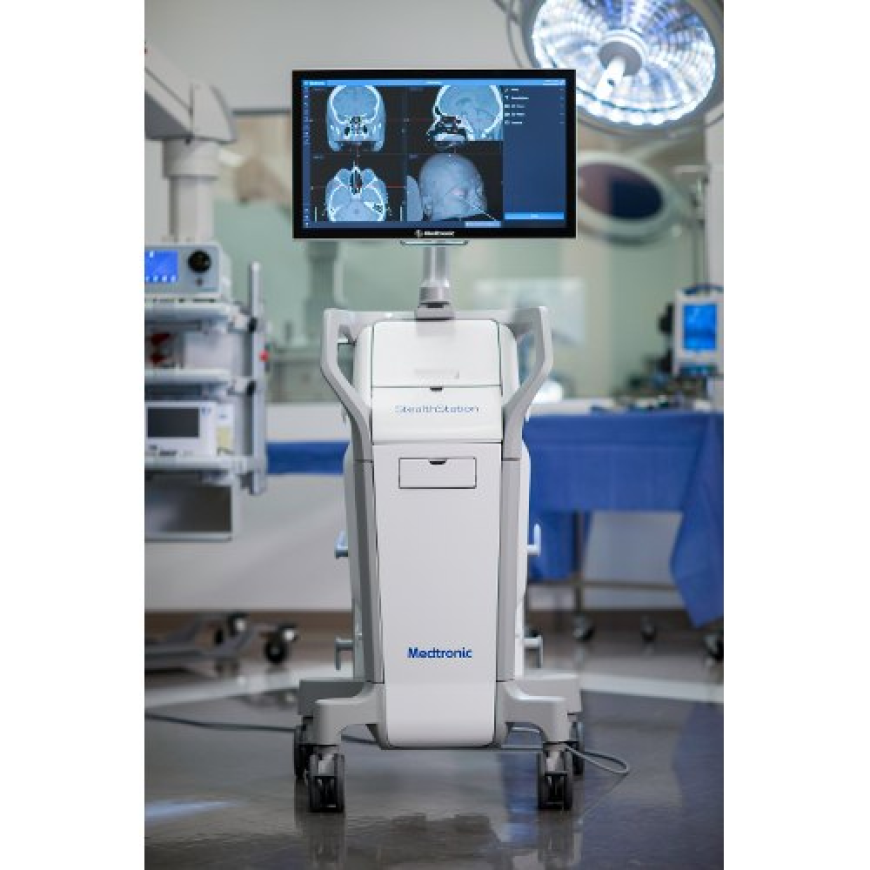
In the complex and delicate world of neurosurgery, precision is not just desirable—it is essential. The human brain, with its intricate web of nerves and tissues, leaves no room for error. That’s where a neuronavigation system comes into play. Much like a GPS guides a driver through winding roads, a neuronavigation system guides neurosurgeons through the complexities of the human brain with unparalleled accuracy.
In this blog, we’ll explore what a neuronavigation system is, how it works, its benefits, and its growing role in modern medicine.
What is a Neuronavigation System?
A neuronavigation system is an advanced technological tool used in neurosurgical procedures to help accurately locate and target areas within the brain and spine. It combines real-time imaging, computer-assisted mapping, and precision tracking to guide surgeons during operations.
These systems use pre-operative imaging data—like MRI or CT scans—to create a 3D model of the patient’s anatomy. During surgery, the system tracks the surgeon’s instruments in real-time and displays their exact location on this model, allowing for ultra-precise movements.
How Does a Neuronavigation System Work?
The functionality of a neuronavigation system relies on several key components:
-
Imaging Input: Pre-surgical images (MRI or CT scans) of the patient's brain are uploaded into the system.
-
Registration: The system matches the real-time position of the patient to the preoperative images.
-
Tracking: Using optical or electromagnetic sensors, the system continuously monitors the location of surgical tools.
-
Visualization: A 3D image is displayed on a monitor, showing the surgeon exactly where the instruments are within the brain or spine.
This process allows for enhanced spatial orientation during surgery, minimizing the risk of damaging healthy brain tissue.
Applications of Neuronavigation in Neurosurgery
Neuronavigation systems are widely used in various neurosurgical procedures, including:
-
Tumor Resection: Helps surgeons remove brain tumors with minimal impact on healthy tissue.
-
Epilepsy Surgery: Enables precise targeting of the seizure focus area.
-
Biopsy Procedures: Assists in guiding needles to specific brain lesions.
-
Spinal Surgeries: Used to improve accuracy in placing spinal implants and navigating complex spinal anatomy.
-
Deep Brain Stimulation (DBS): Ensures correct placement of electrodes for movement disorder treatments like Parkinson’s disease.
Benefits of Using a Neuronavigation System
1. Enhanced Precision and Accuracy
Neuronavigation reduces the risk of error by allowing surgeons to visualize and track their instruments in real-time. This is particularly crucial when operating in eloquent areas of the brain that control vital functions such as speech, movement, and vision.
2. Minimally Invasive Surgery
With neuronavigation, surgeons can plan smaller incisions and target only the area of interest. This leads to faster recovery times and less postoperative pain.
3. Reduced Surgery Time
The system aids in more efficient surgical planning and execution, reducing the duration of procedures and anesthesia exposure.
4. Improved Surgical Outcomes
With better accuracy and visualization, neuronavigation leads to fewer complications, better tumor resection rates, and improved overall patient outcomes.
5. Enhanced Training for Neurosurgeons
Neuronavigation systems provide a valuable learning tool for young surgeons, h
elping them visualize complex anatomy and gain confidence in surgical navigation.
Real-World Example: Tumor Removal with Neuronavigation
A patient diagnosed with a deep-seated brain tumor near the motor cortex presents a high-risk challenge. Traditionally, accessing the tumor could risk damaging motor function. With a neuronavigation system, the surgeon precisely maps the tumor's location, plans the safest route, and navigates to the tumor without disrupting surrounding critical areas.
As a result, the tumor is successfully removed, and the patient retains full motor function—a powerful example of technology saving lives and preserving quality of life.
Future of Neuronavigation Technology
The future of neuronavigation looks promising with advancements in:
-
Augmented Reality (AR): Overlaying 3D visuals directly onto the surgical field.
-
AI Integration: Assisting with automated planning and risk analysis.
-
Robotics: Working in sync with neuronavigation systems for ultra-precise robotic-assisted surgeries.
-
Real-time MRI and CT: Providing live updates during surgery for even greater accuracy.
As these innovations evolve, neuronavigation will continue to redefine the possibilities of brain and spinal surgery.
Challenges and Considerations
Despite its many benefits, neuronavigation systems come with certain challenges:
-
Cost: High acquisition and maintenance costs can be a barrier, especially in smaller or underfunded hospitals.
-
Training: Surgeons and staff require specialized training to effectively use the system.
-
Imaging Limitations: Accuracy depends on the quality and timing of pre-operative imaging, which may shift due to brain swelling or movement during surgery.
Addressing these challenges will be crucial for wider adoption across healthcare systems globally.
Conclusion
The neuronavigation system stands at the intersection of technology and medicine, offering life-saving precision in procedures where every millimeter counts. Its ability to transform outcomes, reduce risks, and support innovation makes it one of the most powerful tools in the neurosurgeon’s arsenal.
As the technology continues to advance, the hope is clear: safer surgeries, faster recoveries, and better lives for patients around the world.