Celebrating Language Diversity: A Montessori Approach to Global Learning
 Pranavshivam
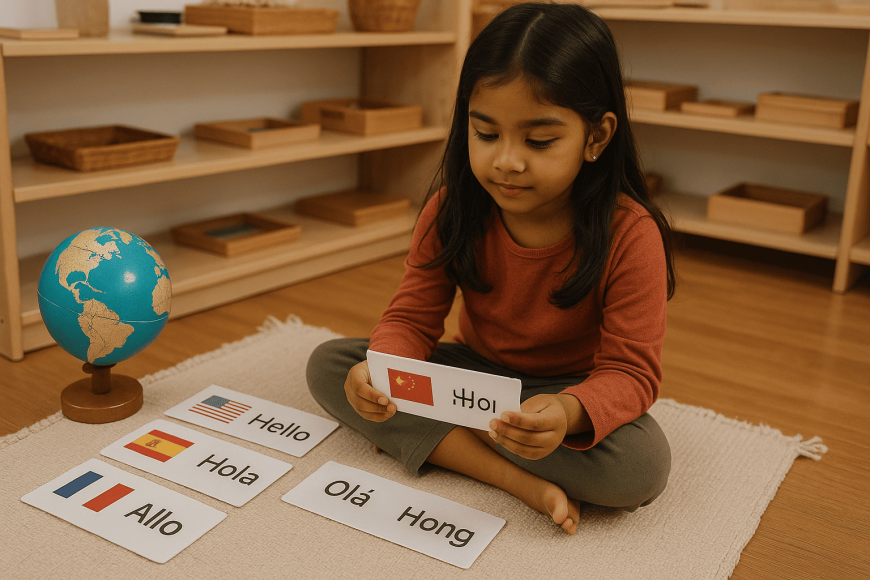
Language is at the heart of human connection. In a world with thousands of languages, teaching children to respect and appreciate linguistic diversity is more important than ever. Montessori schools in Chennai follow a global approach to education, incorporating language diversity into their everyday lessons. Through songs, stories, greetings, and cultural activities, Montessori classrooms introduce children to the beauty of different languages, helping them become open-minded, compassionate learners.
Dr. Maria Montessori emphasized the importance of early language experiences. She believed that language shapes thought, and by exposing children to multiple ways of speaking and communicating, we help them build bridges across cultures. In Montessori environments, language learning is not just about vocabulary—it’s about celebrating human expression in all its forms.
At playschools in Adambakkam, these ideas are introduced through playful and interactive activities that make learning about language diversity fun and meaningful. Young children naturally enjoy exploring sounds, words, and songs from various cultures. Montessori educators use this enthusiasm to plant the seeds of cultural awareness and respect for different ways of communicating.
The Montessori Philosophy on Language Learning
Montessori education supports the development of the whole child—mind, body, and spirit. Language is a key part of this growth. In Montessori classrooms, language lessons are designed to:
-
Develop listening and speaking skills
-
Build reading and writing abilities
-
Foster cultural awareness and global understanding
Montessori teachers introduce new words and languages through storytelling, music, games, and real-life conversations. Children are encouraged to be curious, ask questions, and practice words from different cultures without fear of making mistakes.
The goal is not necessarily to teach children to become fluent in multiple languages but to create an environment where they respect and appreciate the diversity of global communication.
Why Language Diversity Matters
Language is more than just words—it is a reflection of culture, history, and tradition. Teaching children about different languages helps them:
-
Understand and respect cultural differences
-
Develop empathy and compassion
-
Enhance cognitive flexibility and problem-solving skills
-
Reduce biases or stereotypes related to language and identity
-
Build social connections with people from different backgrounds
When children are exposed to multiple languages at an early age, they become more adaptable and open-minded. They learn that there are many ways to communicate, and that all languages are valuable and worthy of respect.
Montessori Activities That Celebrate Language Diversity
Montessori educators use a variety of hands-on activities to teach children about global languages. These activities are designed to be engaging, developmentally appropriate, and culturally sensitive.
1. Morning Greeting in Multiple Languages
Many Montessori classrooms begin the day by greeting each other in different languages. For example:
-
“Good morning” in English
-
“Namaste” in Hindi
-
“Bonjour” in French
-
“Hola” in Spanish
-
“Konnichiwa” in Japanese
By learning these simple greetings, children develop an appreciation for cultural diversity. They also learn about the customs and gestures associated with greetings in various cultures, such as bowing or placing hands together.
2. Songs and Rhymes from Around the World
Music is a universal way to introduce children to language diversity. Montessori teachers use songs and rhymes from different countries to teach new words and sounds. For example:
-
Singing “Frère Jacques” in French
-
Clapping along to Spanish rhymes
-
Learning animal sounds in different languages
These musical experiences make language learning joyful and help children develop an ear for different sounds and rhythms.
3. Storytelling in Multilingual Settings
Montessori educators share folktales and traditional stories from around the world. Sometimes, key phrases are taught in the language of the story’s origin. For instance:
-
A Chinese folktale might include the phrase “Xie Xie” (thank you)
-
A Japanese story might use “Arigato” (thank you)
-
An African story might teach a greeting like “Jambo” (hello in Swahili)
Storytelling is a natural way for children to hear different sounds and learn about the values and customs of other cultures.
4. Language Cards and Labels
Montessori classrooms often have labels and cards with words written in multiple languages. For example, a card might show a picture of a cat with the words:
-
Cat (English)
-
Gato (Spanish)
-
Chat (French)
-
Neko (Japanese)
These materials help children make connections between languages and understand that different words can represent the same concept.
5. Connecting Language with Geography
Language lessons in Montessori are often linked to geography. When children learn a new word or greeting, they also locate the country on a map or globe. This builds an understanding of how languages are connected to places and cultures.
For example:
-
Learning about Spanish involves exploring Spain and Latin American countries
-
Studying Mandarin Chinese includes locating China on the map
-
Discussing Arabic connects to countries in the Middle East and North Africa
This integration of language and geography strengthens global learning.
Involving Families and the Community
Montessori schools encourage parents to participate in language diversity activities. Families might:
-
Share songs, poems, or stories from their culture
-
Teach the class a few words from their home language
-
Bring books or materials in other languages
When children see their own families contributing to the classroom, it reinforces the idea that every language and culture is valuable.
The Role of Language in Peace Education
Maria Montessori believed that teaching about language diversity was part of building a peaceful world. When children learn that people speak in many ways but share the same emotions and needs, they develop empathy and understanding. This reduces prejudice and promotes harmony.
Montessori language activities teach children to:
-
Listen respectfully to others
-
Appreciate differences in sound, expression, and meaning
-
Communicate with kindness, regardless of language barriers
These lessons create the foundation for a more compassionate, connected world.
Cognitive and Social Benefits of Learning About Languages
Celebrating language diversity helps children in many ways:
-
Cognitive Growth: Exposure to different languages strengthens memory and critical thinking.
-
Social Development: Children learn to communicate with a broader range of people.
-
Confidence Building: Trying new languages boosts self-esteem.
-
Cultural Understanding: Children see the connections between language, food, festivals, clothing, and traditions.
Conclusion: Embracing a World of Words
Through daily activities that celebrate language diversity, Montessori schools help children become thoughtful, culturally aware individuals. By learning new words, greetings, and stories, children gain a deeper understanding of global communities and develop respect for the many ways people communicate.
At playschools in Adambakkam, these lessons start early, using simple songs, games, and cultural stories to introduce the beauty of different languages. As children grow, they build on this foundation, becoming global learners who embrace diversity with curiosity and joy.
In Montessori education, celebrating language diversity is more than just learning new words—it’s about opening hearts and minds to the richness of the world.