Molecular Hydrogen in Water: A Scientific Look at the World’s Lightest Antioxidant
Unlike regular water (H₂O), which contains hydrogen bound to oxygen, hydrogen water contains dissolved molecular hydrogen gas (H₂) — a tasteless, odorless gas that is now being studied for its biological effects on oxidative stress, inflammation, aging, and chronic disease.
 ibraheem
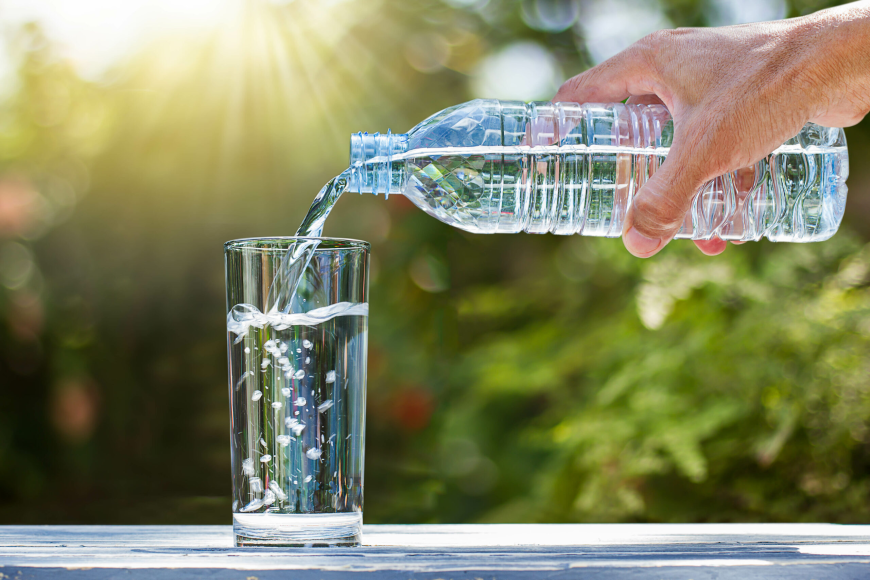
Molecular hydrogen in water — also known as hydrogen-rich water — has been gaining popularity in the wellness and medical communities due to its potential antioxidant, anti-inflammatory, and therapeutic benefits.
In this article, we explore what molecular hydrogen in water is, how it works, its benefits and challenges, and whether it deserves a place in your wellness routine.
What is Molecular Hydrogen in Water?
Molecular hydrogen (H₂) is a gas composed of two hydrogen atoms bonded together. In the context of drinking water, molecular hydrogen is dissolved into the water — similar to how carbon dioxide is dissolved in soda. This results in hydrogen-rich water that retains its usual appearance and taste but may deliver therapeutic benefits due to the presence of free hydrogen molecules.
🔬 Key Concept: Hydrogen in H₂O is chemically bound and not available for physiological effects. Only free dissolved H₂ (molecular hydrogen gas) has potential biological activity.
How Molecular Hydrogen is Added to Water
Several technologies are used to infuse hydrogen into water. Below is a comparison:
|
Method |
How It Works |
H₂ Concentration |
Pros |
Cons |
|
Electrolysis |
Water is split using electricity to generate H₂ |
Medium to High |
Efficient, reusable |
May degrade over time |
|
Hydrogen Tablets/Sticks |
Magnesium reacts with water to release H₂ |
Medium |
Portable, no electricity |
Inconsistent concentration |
|
Hydrogen Gas Infusion |
Pressurized H₂ gas is bubbled into water |
High |
High purity |
Requires sealed containers |
|
Hydrogen Generators |
On-demand devices create H₂ water |
Varies by model |
Convenient |
Can be expensive |
Due to hydrogen’s extremely small molecular size, it easily escapes from open or plastic containers. To retain its concentration, hydrogen water should be:
-
Stored in aluminum or non-permeable containers
-
Consumed shortly after production
Molecular Hydrogen’s Health Benefits: What Science Says
Several peer-reviewed studies and clinical trials have investigated the potential health benefits of hydrogen-rich water. While many results are promising, further large-scale studies are needed for definitive conclusions.
🔹 1. Antioxidant & Anti-inflammatory Action
Molecular hydrogen can selectively neutralize free radicals such as hydroxyl radicals (OH·), which are among the most damaging reactive oxygen species (ROS).
📚 A 2007 study published in Nature Medicine found that hydrogen gas acts as a therapeutic antioxidant by selectively reducing cytotoxic oxygen radicals.
➤ Read study on Nature.com
This unique antioxidant property means it may reduce inflammation without disrupting cellular signaling, unlike high-dose antioxidant supplements.
🔹 2. Improved Metabolic Health
Hydrogen-rich water has shown potential to improve markers of metabolic syndrome:
-
Lower fasting blood glucose
-
Improved insulin sensitivity
-
Reduced triglyceride levels
In a 2010 clinical trial published in Diabetes Technology & Therapeutics, diabetic patients who drank hydrogen-rich water daily for 8 weeks saw improved lipid profiles and reduced oxidative stress.
🔹 3. Neuroprotective Potential
Because molecular hydrogen can cross the blood-brain barrier, researchers are exploring its use in neurological conditions:
-
Parkinson’s disease
-
Alzheimer’s disease
-
Stroke recovery
Preclinical studies have shown that hydrogen may reduce neuronal inflammation and apoptosis (cell death), though human trials are still in early stages.
🔹 4. Exercise Recovery & Performance
Athletes have shown interest in hydrogen water for its potential to:
-
Reduce muscle fatigue
-
Decrease blood lactate levels
-
Speed up recovery
A 2012 study on soccer players suggested that hydrogen-rich water could suppress lactate build-up and improve endurance during high-intensity exercise.
Is Molecular Hydrogen in Water Safe?
Yes — at typical concentrations found in hydrogen-rich water (0.5–1.6 ppm), molecular hydrogen is considered safe and non-toxic.
-
It has no known side effects.
-
It does not interfere with the body’s normal redox signaling.
-
It can be consumed daily with no buildup or toxicity risk.
Hydrogen gas has been used safely in deep-sea diving medicine for decades, further supporting its biocompatibility.
Practical Usage: How Much Should You Drink?
There is no universal “dose,” but most clinical studies use:
-
500 ml to 2 liters/day of hydrogen-rich water
-
H₂ concentration of 0.5 to 1.6 mg/L
💡 Pro tip: The fresher the hydrogen water, the more effective. Try to drink it within 20–30 minutes of production.
FAQs: Molecular Hydrogen in Water
Q1: Is hydrogen water the same as alkaline water?
A: No. Hydrogen water contains dissolved H₂ gas, while alkaline water has a higher pH due to dissolved minerals. They are not the same, and hydrogen water doesn't need to be alkaline to work.
Q2: Can hydrogen water help with chronic disease?
A: Early studies show potential for conditions like diabetes, arthritis, and neurodegenerative disease, but more clinical trials are needed. It should not replace conventional treatments.
Q3: Is it safe to drink every day?
A: Yes. Molecular hydrogen is non-toxic and naturally exhaled by the lungs. Daily use is considered safe for most people.
Q4: How do I know my hydrogen water has real H₂?
A: Look for:
-
ppm (parts per million) test results
-
ORP (oxidation-reduction potential) readings
-
Third-party lab certifications
Q5: Can I boil hydrogen water?
A: No. Boiling drives off dissolved hydrogen gas. Always drink it cold or at room temperature.
Challenges and Limitations
While molecular hydrogen water holds promise, it’s important to be aware of the limitations:
-
Short shelf life: H₂ escapes quickly from open containers
-
Quality inconsistency: Not all products deliver effective hydrogen concentrations
-
Lack of regulation: Some brands make unverified claims without scientific backing
To maximize benefits, invest in reputable brands or certified generators.
Conclusion
Molecular hydrogen in water represents a fascinating frontier in natural wellness and functional hydration. With its ability to act as a selective antioxidant, support cellular balance, and possibly aid in chronic conditions, hydrogen-rich water offers a simple yet scientifically promising way to enhance health.
While more robust clinical evidence is needed, its safety, ease of use, and low risk make it an attractive addition for health-conscious individuals.
If you choose to try it, opt for well-documented sources, consume it fresh, and pair it with a balanced diet and lifestyle. Molecular hydrogen may not be a miracle cure — but it just might be the lightest antioxidant with a heavy impact.