Mole Removal in Dubai: Procedures, Healing & Expert Care | Tajmeels Clinic
Get expert Mole Removal in Dubai at Tajmeels Clinic. Safe procedures, honest recovery timelines, and professional results. Book your skin assessment today.
 Tajmeel_Clinic
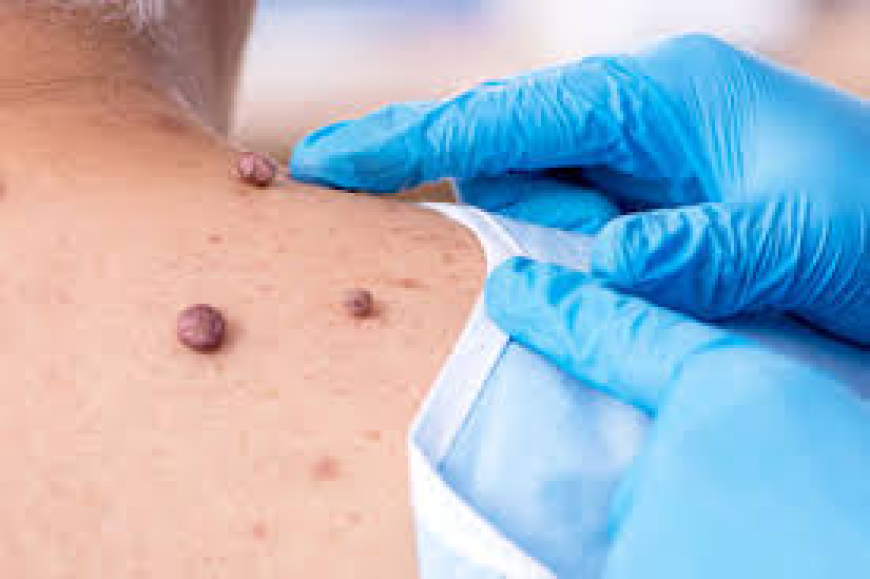
Deciding to pursue Mole Removal in Dubai is a significant step toward both skin health and personal confidence. While many see it as a simple cosmetic fix, the process is rooted in precise dermatological science. Patients often come to us with questions about the "best" way to achieve a clear complexion without leaving a permanent reminder of the procedure.
The journey begins with a shift in perspective—viewing the mole not just as a blemish, but as a unique skin structure that requires a tailored approach. Whether your motivation is the discomfort of a mole rubbing against jewelry or a proactive check for skin safety, understanding the nuances of the treatment ensures you are prepared for every stage of the process.
Which Techniques Are Used for Mole Removal in Dubai?
The most effective techniques include laser ablation for surface-level spots and surgical excision for deeper lesions, both designed to minimize tissue trauma. Laser therapy is non-invasive and ideal for flat, benign spots, whereas excision involves removing the mole at the root to ensure it does not return.
When you step into a professional setting, you will generally be presented with a few primary options:
-
Laser Ablation: Best for small, non-cancerous moles. It uses light energy to break down pigment.
-
Shave Excision: A technique where the dermatologist "shaves" the mole flush with the skin using a small blade.
-
Full Surgical Excision: Used for larger or suspicious moles, requiring a few tiny stitches to close the site.
Patients often report that the laser method feels like a series of tiny, hot pinpricks. We observe that while the technology is advanced, the skill of the practitioner in adjusting the device settings is what truly guarantees a smooth, even skin texture post-recovery.
Is the Sensation During Mole Removal in Dubai Tolerable?
The sensation is highly tolerable because a local anesthetic is used to completely numb the area before the procedure begins. Most patients describe feeling a slight pressure or a tugging sensation, but the sharp pain typically associated with skin procedures is absent.
Based on post-procedure follow-ups, here is what you can realistically expect during the appointment:
-
Numbing Phase: A quick sting from the anesthetic needle, which lasts only a few seconds.
-
The Procedure: A total lack of sharp sensation; you may hear the "click" of the laser or feel the movement of the specialist’s hands.
-
Immediate Aftermath: A feeling of warmth in the area, similar to a very localized heat rub.
If you are particularly nervous, practitioners can often use a topical cooling gel before the injection to make the entire experience virtually "pinch-free."
What Does the Recovery Process Look Like?
The recovery process follows a predictable biological timeline: an initial inflammatory phase of 48 hours, a crusting phase lasting up to a week, and a final remodeling phase where the skin returns to its natural color over several months.
To ensure the best possible results, we recommend a strict post-care routine:
-
Keep it Covered: Use a small bandage for the first 24 hours to protect the open site.
-
Moisture is Key: Apply a thin layer of antibiotic ointment or petroleum jelly twice daily to prevent a hard scab from forming.
-
Sun Avoidance: The "new" skin is incredibly sensitive to Dubai’s intense UV rays; cover the area or use SPF 50+ daily.
-
Avoid Stretching: If the mole was removed from a high-movement area like the shoulder or knee, limit heavy exercise for 5–7 days.
We have found that patients who maintain a "moist healing" environment—never allowing the site to dry out completely—report significantly less itching and faster fading of the initial pink mark.
Who Is an Ideal Candidate for This Procedure?
An ideal candidate is someone with a benign mole that causes physical irritation or aesthetic concern and who has realistic expectations about the healing process. Safety is the cornerstone of dermatological surgery, so a thorough pre-screening is always the first step.
You should consider delaying or reconsidering the procedure if:
-
You have an active breakout or infection exactly where the mole is located.
-
The mole is changing rapidly (ABCDE signs), in which case a medical biopsy is the priority over cosmetic removal.
-
You have a history of thick, raised keloid scars.
Why Choose Tajmeels Clinic for Your Skin Care?
At Tajmeels Clinic, we prioritize a blend of medical integrity and aesthetic excellence. Our team ensures that every Mole Removal in Dubai starts with a detailed skin analysis, using advanced technology to provide results that are both safe and visually seamless, allowing you to move forward with renewed confidence in your skin.
FAQs
How do I know if my mole is dangerous?
A professional skin check is essential to determine if a mole is suspicious. Dermatologists look for irregular borders, multiple colors, or a diameter larger than 6mm. If any of these signs are present, we prioritize a medical excision to ensure the tissue is tested for your safety.
Will the procedure leave a noticeable scar?
While any skin disruption can leave a mark, modern techniques are designed to make scars nearly invisible. Laser removals often heal with no trace at all, while surgical methods may leave a tiny, faint line that fades to a white or skin-colored mark over a period of 3 to 6 months.
How long do I need to stay away from the sun?
You should protect the treated area from direct sunlight for at least 3 to 4 months. The fresh skin is highly prone to "post-inflammatory hyperpigmentation," meaning the sun can turn the pink spot into a permanent brown mark if you don't use high-SPF protection.
Can I apply makeup over the area immediately?
It is best to wait until the skin has completely closed, which usually takes about 5 to 7 days. Applying makeup too early can introduce bacteria into the healing wound or cause irritation. Once the initial scab has naturally shed, you can safely use mineral-based concealers.
Does the mole ever grow back?
If the mole is removed surgically at the root, the chances of it returning are extremely low. With laser treatments that only target the surface, there is a very small possibility that deep-seated pigment cells could cause a faint spot to reappear after several years.