Modern Motorcycle Helmet Design: Safety, Comfort & Rider Style
Discover how modern motorcycle helmets combine advanced safety, lightweight materials, rider comfort, and stylish designs to support every type of motorcycle ride.
 DanielSmartMFG
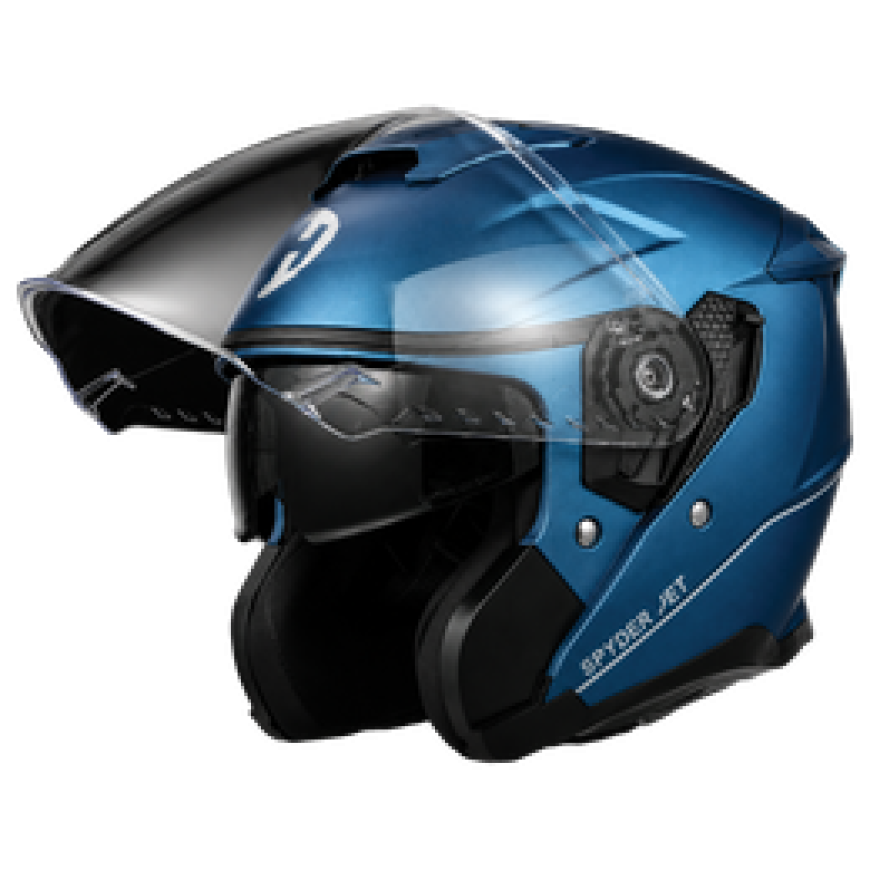
Motorcycle helmets have become far more advanced than simple protective gear. Today's designs combine impact protection, lightweight materials, improved ventilation, and rider-focused features that support different riding environments. While appearance remains an important factor for many motorcyclists, the primary purpose of any helmet is to reduce the risk of head injuries during an accident. As manufacturers continue to innovate, riders now have access to a wide range of options that balance performance with personal style.
Why Helmet Construction Matters More Than Appearance
Every quality motorcycle helmet begins with its construction. The outer shell is designed to distribute impact energy, while the inner EPS liner absorbs shock before it reaches the rider's head. Modern liners, moisture-wicking interiors, and improved retention systems also contribute to overall comfort and stability during long rides.
Whether a rider prefers a touring model or a city-friendly design, choosing a helmet based on certified protection and proper fit remains more important than selecting graphics or color schemes.
Different Helmet Styles Meet Different Riding Needs
Manufacturers produce helmets for a variety of riding conditions. Full-face models provide maximum coverage, while open-face helmets offer greater airflow for lower-speed riding. Hybrid designs have also become increasingly popular because they provide versatility without requiring multiple helmets.
Among these options, the Daytona modular helmet is often discussed by riders who want the flexibility of switching between a full-face configuration and an open-front design during breaks or low-speed situations. Modular helmets are especially common among touring enthusiasts who value convenience on longer journeys.
Technology Continues to Improve Rider Protection
Helmet engineering has advanced significantly over the past decade. Manufacturers now use composite fiberglass, polycarbonate, carbon fiber, and multi-density EPS liners to improve impact management while reducing overall weight.
Ventilation systems have also become more sophisticated. Adjustable intake vents, rear exhaust ports, and aerodynamic shell profiles help reduce wind resistance while keeping riders comfortable during changing weather conditions.
These improvements demonstrate that modern Daytona motorcycle helmet designs, along with similar products from other manufacturers, continue to evolve through engineering rather than cosmetic updates alone.
Comfort Plays an Important Role During Long Rides
A helmet that fits correctly is more likely to be worn consistently. Features such as removable liners, washable interiors, adjustable cheek pads, and improved weight distribution help reduce rider fatigue.
Noise reduction has also become an important consideration. Better neck rolls, visor seals, and shell aerodynamics help minimize wind noise, creating a more comfortable riding experience on highways and long-distance trips.
Many experienced riders evaluate Daytona helmets alongside other brands by considering fit, comfort, and safety features instead of focusing solely on exterior styling.
Style Still Influences Buying Decisions
Although protection remains the highest priority, helmet aesthetics continue to influence purchasing decisions. Riders often choose finishes, graphics, or shell shapes that reflect their motorcycles and personal preferences.
Some enthusiasts specifically search for badass bike helmets that feature bold graphics, aggressive styling, or vintage-inspired designs. While these visual elements add personality, they should never replace proper certification, construction quality, or correct sizing.
Manufacturers increasingly recognize that riders want products that combine both protection and visual appeal.
The Growing Popularity of Custom-Inspired Designs
The custom motorcycle community has helped shape helmet trends in recent years. Minimalist finishes, matte colors, retro graphics, and modern interpretations of classic designs have become increasingly common across many brands.
This trend has also contributed to the popularity of badass helmets that complement cruisers, café racers, touring motorcycles, and custom builds. Riders often appreciate helmets that match their overall riding style while still delivering dependable protection.
A well-designed helmet demonstrates that safety and appearance can successfully coexist.
Choosing the Right Helmet Requires More Than Looks
Helmet shopping should always begin with measuring head size, understanding intended riding conditions, and verifying recognized safety certifications. Weight, ventilation, visor quality, communication system compatibility, and interior comfort all contribute to long-term satisfaction.
Some riders may prioritize touring features, while others look for lightweight urban helmets or adventure-focused designs. Those interested in a badass motorcycle helmet should ensure that style is supported by reliable engineering and a secure fit rather than appearance alone.
Final Thoughts
Motorcycle helmet technology continues to improve through advances in materials, impact management, comfort, and aerodynamics. Riders benefit from a wide variety of helmet styles that accommodate different riding habits without compromising protection.
Whether evaluating Daytona helmets for touring versatility or exploring modern designs that deliver a distinctive appearance, the best helmet is ultimately one that fits properly, meets recognized safety standards, and encourages consistent use every time a rider gets on the road.