MK Electric Floor Box: Why Choose It for Modern Wiring?
 jackzkr317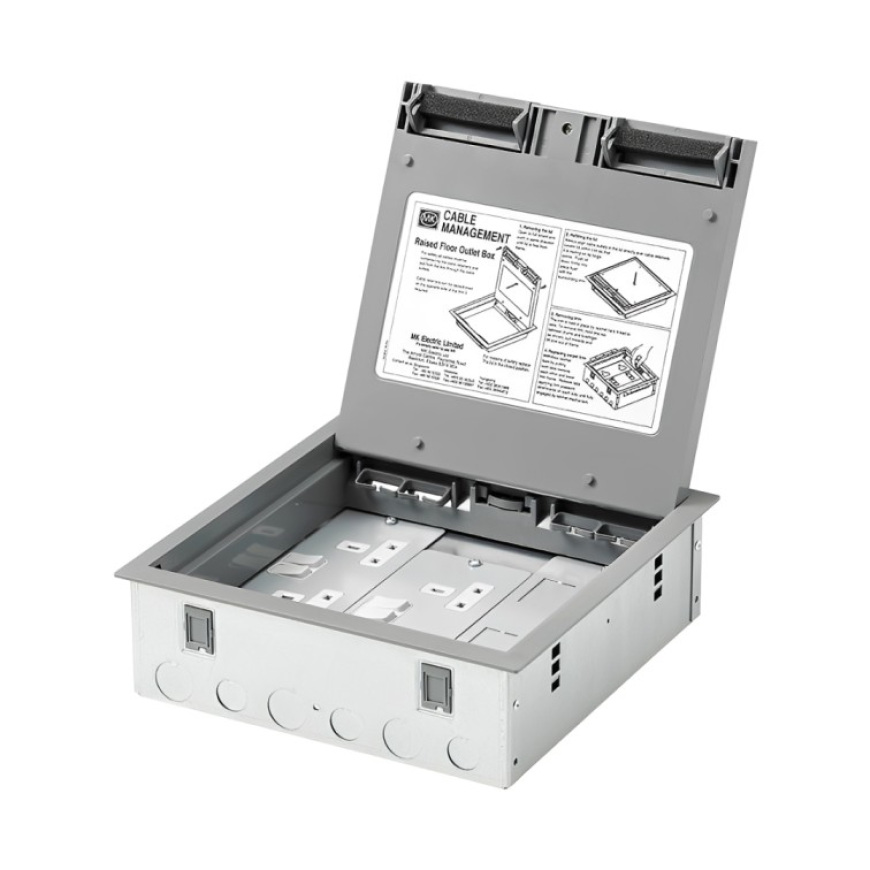
Introduction
An MK Electric Floor Box is a smart way to bring power and data exactly where people work, meet, and plug in devices. Instead of trailing cables across walkways, you can route connections through the floor for a cleaner finish and safer daily use. Because modern spaces rely on electronics, connectors, and flexible layouts, a well planned floor box supports reliable access without clutter.
In this guide, you will learn what makes an MK Electric Floor Box product relevant for commercial and light industrial installations, how to choose the right configuration, and what to consider during installation for long term safety and performance.
What is an MK Electric Floor Box and how does it work?
An MK Electric Floor Box is a recessed or surface integrated outlet system designed to sit flush within a floor. It houses power sockets and, depending on the setup, data and AV modules so users can connect laptops, screens, and other equipment close to where they are positioned.
Instead of running extension leads, the floor box becomes a controlled access point. It typically includes a robust lid and internal compartments that help manage cables, reduce strain on connectors, and support tidy routing beneath raised floors or within screeded concrete floors.
Where floor boxes fit best in real projects
Floor boxes are often used where desks, tables, and equipment are away from walls. They are common in:
-
Open plan offices with flexible desk layouts
-
Meeting rooms and conference tables
-
Retail displays and kiosks
-
Libraries, classrooms, and training rooms
-
Light workshops where tools need convenient power access
In each case, a floor box reduces cable congestion and supports safer movement around the area.
Key benefits of using an MK Electric Floor Box
Choosing a floor box is not just about convenience. It can also improve reliability and reduce avoidable maintenance.
Better cable management and cleaner layouts
When cables are routed through a floor box, you can keep walkways clear and reduce tangles. This helps protect cables from crushing, snagging, and repeated bending that can lead to faults. It also keeps work areas looking professional, which matters in client facing spaces.
Improved safety for people and equipment
Floor level power can be risky if done poorly. A properly specified MK Electric Floor Box supports safer access by keeping connections contained and protected. With correct fuses and circuit protection upstream, the installation helps reduce electrical risks and supports compliance focused planning.
Flexible power where you need it
Modern teams shift seating and equipment often. A floor box supports flexibility by providing a stable connection point without constant rewiring. This is useful when meeting rooms change layouts or when hot desking is part of the daily routine.
Choosing the right MK Electric Floor Box for your application
Selection becomes easier when you treat it like a checklist. Focus on the floor type, the number of services needed, and the environment.
Floor type and installation method
Start by confirming whether the project uses:
-
Raised access flooring for easy service routing
-
Solid floors where cut outs and containment are planned
-
High traffic areas where stronger lids and frames are preferred
Raised floors make it easier to change modules later. Solid floors require careful planning for conduit routes and depth.
Power, data, and module requirements
Consider what users will connect daily. In many spaces, power alone is not enough, so plan for:
-
Power sockets for laptops and chargers
-
Data connectors for network access
-
Extra modules for future expansion
If the workspace includes controllers or specialised electronics, it helps to keep power and data sections organised to reduce interference and improve maintenance access.
Load, heat, and thermal considerations
Floor boxes sit within enclosed spaces where heat can build up. Although the box itself is not a cooling device, good planning reduces risk. Think about:
-
Expected load on circuits and socket usage patterns
-
Nearby equipment that produces thermal output
-
Cable organisation that avoids tight bundles
Where devices generate heat, thermal management matters. Use sensible spacing and avoid compressing cables against sharp bends. If sensitive electronics are nearby, consider thermal pads within other enclosures where appropriate, but do not place unsuitable materials inside electrical compartments.
Components and accessories that support performance
A floor box system performs best when the surrounding components are chosen correctly.
Cables, containment, and connector quality
Use cables rated for the environment and route them through suitable containment. Reliable connectors reduce intermittent faults and prevent damage from repeated plugging. Good termination and strain relief help keep connections stable over time.
Switching and protection strategy
Upstream protection is essential. Depending on the circuit design, you may rely on fuses, RCD protection, and appropriate switches to control or isolate sections for maintenance. In commercial settings, isolation points help reduce downtime and support safer servicing.
Compatibility with modern electronics
A floor box often becomes the daily power hub for laptops, chargers, monitors, and docking stations. If the site uses LED lighting drivers or connected systems, clean distribution helps reduce nuisance issues. Keep data and power separated where required, and avoid cramped cable routing.
Installation best practices for a reliable result
Installation quality has a direct impact on safety, usability, and long term performance. Plan the layout carefully and follow site standards.
Placement planning and user experience
Position the floor box where users can access it comfortably without tripping risks. For meeting tables, centring the box under the table footprint often works well. For open plan desks, place boxes along predictable desk lines to reduce cable crossings.
Before finalising, check:
-
Desk positions and likely furniture movement
-
Lid opening clearance and hinge direction
-
Cleaning needs and spill risk zones
Working cleanly with the right tools
Precise cut outs and secure mounting reduce future issues. Use appropriate tools for the floor material and ensure the box sits level. A level fit helps lids close properly and reduces wear.
Keep a practical installation kit available, such as:
-
Measuring tools and marking guides
-
Cutting equipment suited to the floor type
-
Fasteners and fixings rated for the substrate
-
Cable grips and strain relief accessories
Handling contamination and harsh environments
In areas where dust, oils, or heavy debris may be present, choose a lid and enclosure style suited to that environment. Regular cleaning and inspection helps maintain safe operation. If a site has frequent spills, prioritise designs that reduce ingress and support easier wipe down.
Supporting future upgrades and smart building trends
Many buildings are moving toward smarter systems, and floor boxes still play a key role. They support access points for equipment that may include sensors, controllers, and monitoring devices.
Preparing for data growth and device density
As teams add more devices, power and data demand increases. A floor box that supports modular expansion helps you adapt without major disruption. This matters when technology upgrades introduce new peripherals or when devices like microcontrollers and microprocessors appear in specialised desks, demo stations, or testing areas.
Coordination with control systems and contactors
In some projects, floor boxes tie into broader electrical designs that involve contactors, switching strategies, or local controllers. While the floor box is the access point, upstream design decisions determine performance and safety. Good documentation and clear labelling reduce confusion and speed up maintenance.
Final thoughts
An MK Electric Floor Box can improve how a space looks, functions, and stays safe by bringing power and connectivity closer to where people actually use them. When you select the right format, plan cable routing carefully, and install with attention to protection and layout, you get a practical solution that supports modern work, reliable electronics, and cleaner everyday operation.