MCCB vs MCB: Which One Does Your Electrical Installation Actually Need and How to Choose the Best MCB for Every Circuit
 sharmabhavna1322
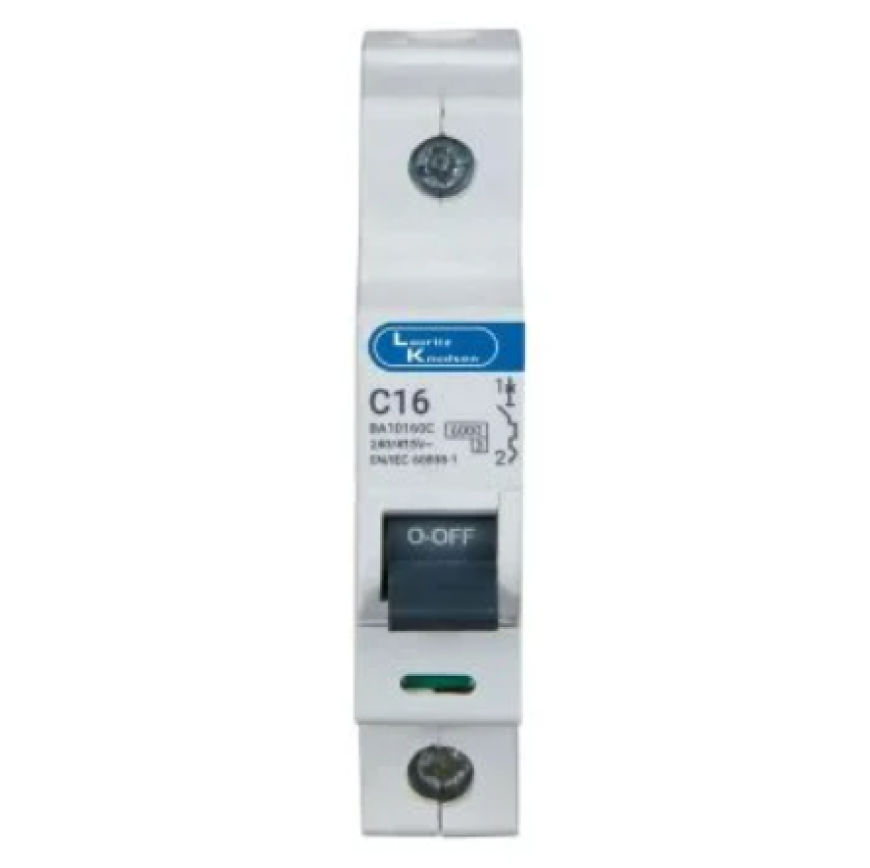
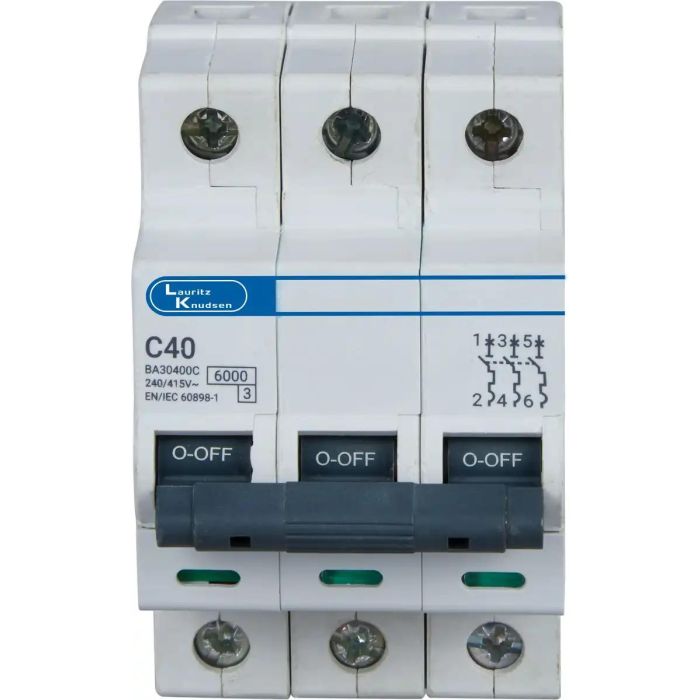
Circuit protection is the most fundamental safety function in any electrical installation. The devices that protect circuits from overloads and short circuits determine whether a fault results in a controlled, safe disconnection or in a dangerous and potentially catastrophic electrical failure. Two product categories are central to this protection function: the Moulded Case Circuit Breaker, or MCCB, for medium to high current protection applications, and the miniature circuit breaker, or MCB, for the protection of individual circuits in homes and commercial buildings. Lauritz Knudsen Smartshop provides both, offering some of the best MCB and MCCB products available in the Indian market.
MCCB Overview
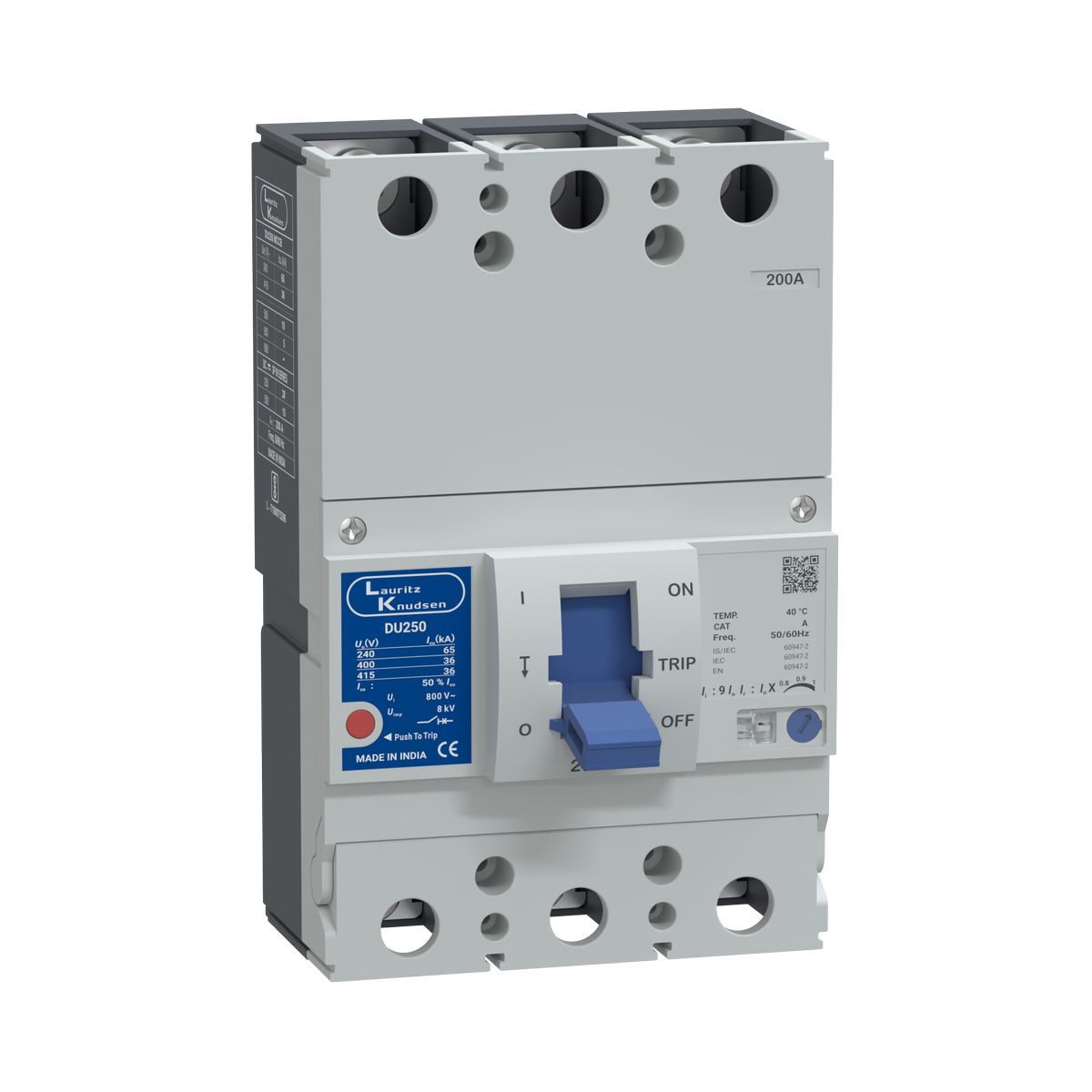
The MCCB is a medium-size circuit protection device housed in a moulded thermoplastic case that provides overload and short circuit protection for distribution circuits, feeder cables, and equipment with current requirements above the range of standard MCBs.
DU Series MCCB
The DU Series from Lauritz Knudsen SmartShop represents the new generation of MCCBs with state-of-the-art design, contemporary ergonomics, and compliance with IS/IEC 60947-2 and EN 60947-2 international standards. Designed specifically for tropical conditions, the DU Series delivers reliable performance in the high ambient temperatures and humid environments that characterize Indian installation conditions.
dsine Series MCCB
The dsine series advances MCCB technology with a broad spectrum of protection mechanisms in a next-generation design. The dsine range is positioned at the forefront of MCCB innovation, offering enhanced protection capabilities for modern industrial and commercial distribution systems.
MCCB Current Ratings and Frame Sizes
MCCBs are available in multiple frame sizes covering current ratings from approximately 16 amps to 1600 amps and beyond. Selecting the correct frame size involves matching the maximum current rating of the frame to the load current, with the trip unit set to the specific current rating required for the circuit being protected.
The Best MCB for Every Application
Selecting the best MCB for any application requires understanding the key MCB parameters and matching them precisely to the requirements of the circuit and load being protected.
K-Curve MCB
The K-Curve MCB from Lauritz Knudsen SmartShop is designed for specialized applications that require a trip characteristic beyond the standard B, C, and D curves. The K-Curve provides a specific response characteristic that suits applications with particular inrush current profiles that would cause nuisance tripping with standard C or D curve MCBs.
B-Curve MCB for Domestic Applications
For domestic lighting and standard socket circuits where connected loads do not generate significant inrush currents, the B-curve MCB provides the best combination of sensitivity and selectivity. It trips between 3 and 5 times its rated current for instantaneous operation, providing effective protection for both cable and connected equipment.
C-Curve MCB for Commercial Applications
The C-curve MCB is the best MCB choice for the majority of commercial and light industrial applications where loads including fluorescent luminaires with electronic ballasts, small motors, and switched-mode power supplies generate moderate inrush currents during starting. Tripping between 5 and 10 times rated current, it provides immunity against nuisance trips while maintaining effective protection.
MCCB and MCB Coordination
Effective electrical protection requires coordination between MCBs protecting individual circuits and MCCBs protecting the distribution feeders supplying those circuits. Coordination ensures that only the protective device nearest to the fault operates, avoiding unnecessary interruption of circuits remote from the fault.
- Selectivity between an MCB and upstream MCCB requires that the MCB trips on overloads and small fault currents before the MCCB operates, maintaining supply to circuits unaffected by the fault.
- Current limiting MCBs reduce the peak fault current that passes through the installation during a short circuit, reducing the stress on upstream devices and cables and potentially simplifying the selectivity requirements.
- Discrimination studies should be performed for complex distribution systems to verify that the protection hierarchy will operate correctly under all anticipated fault conditions.
Accessories for MCCB and MCB
The extensive accessories range available through Lauritz Knudsen Smartshop extends the functionality of both MCCBs and MCBs for remote monitoring, control, and protection applications.
- Auxiliary contacts provide volt-free signal outputs that confirm the open or closed state of the circuit breaker for use in monitoring systems and interlocking schemes.
- Shunt trip releases allow remote electrical tripping of the circuit breaker for emergency shutdown, fire protection, and central control applications.
- Under-voltage releases trip the circuit breaker automatically if the supply voltage falls below a set threshold, protecting sensitive equipment from damage due to supply undervoltage.
MCCB and MCB for Solar Applications
India's rapidly expanding solar energy sector creates specific requirements for protective devices that can handle the DC characteristics of solar photovoltaic generation systems alongside conventional AC distribution protection requirements.
Solar MCCB
Lauritz Knudsen SmartShop offers Solar MCCB products specifically designed for the protection of solar PV string combiners and DC distribution circuits. These products are rated for DC voltage applications and provide the interrupting capability required for DC fault currents that have different characteristics to AC fault currents handled by standard MCCBs.
AC Protection for Solar Inverter Output
Standard AC MCCBs and MCBs from the Lauritz Knudsen SmartShop range are used for the AC side protection of solar inverter outputs, providing conventional overload and short circuit protection for the AC distribution circuits that carry power from the inverter to the grid or building distribution system.
MCB for EV Charging Circuits
Electric vehicle charging at home requires dedicated circuits protected by appropriate MCBs. A 32 amp C-curve single or double-pole MCB is the standard protective device for a 7 kW home EV charging point, providing correct overcurrent protection for the dedicated EV charger cable and connector.
MCCB for Large Solar Arrays
Larger solar PV installations connecting multiple strings of panels require MCCBs for string combiner protection and array-level circuit protection. Lauritz Knudsen SmartShop provides MCCB electrical products specifically rated for DC applications in solar PV systems alongside standard AC distribution MCCBs.
Conclusion
The MCCB and the best MCB for every application are both available from Lauritz Knudsen SmartShop, providing a single trusted source for all circuit protection requirements across domestic, commercial, and industrial electrical installations. With over 70 years of circuit protection engineering behind every product, Lauritz Knudsen SmartShop is India's most trusted source for electrical protection excellence.