Manuka Honey
This article explores everything you need to know about Manuka honey, including its origin, nutritional value, health benefits, uses, grading system, side effects, and tips for choosing authentic Manuka honey.
 hamzadigi
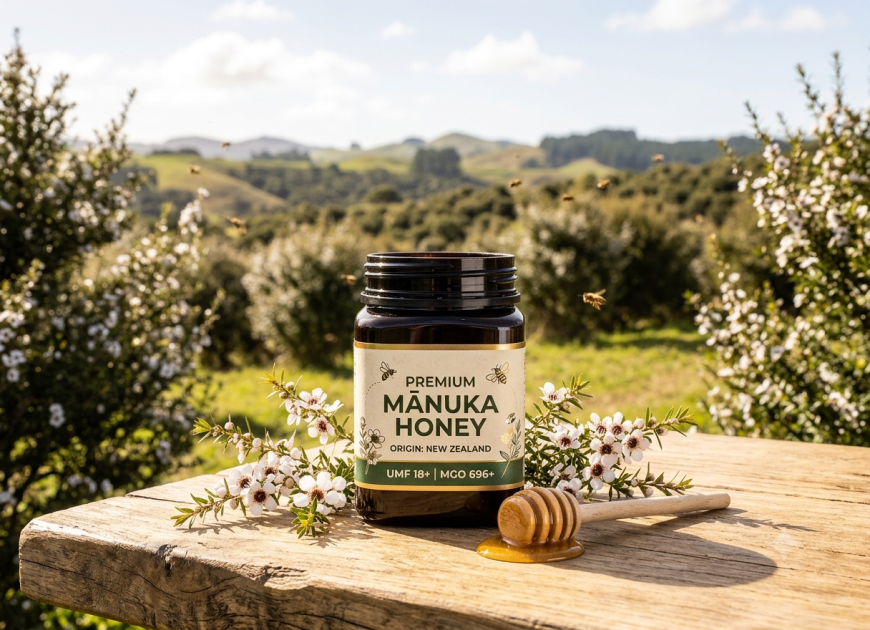
Manuka honey is one of the most valuable and well-known types of honey in the world. Unlike ordinary honey, Manuka honey is prized for its unique antibacterial properties, rich nutritional profile, and numerous health benefits. It has gained worldwide recognition as a natural remedy for wound healing, digestive health, immune support, and skincare.
Produced primarily in New Zealand and parts of Australia, Manuka honey is made by bees that collect nectar from the flowers of the Manuka bush (Leptospermum scoparium). This special floral source gives the honey its distinctive taste, dark golden color, and powerful medicinal qualities.
In recent years, Manuka honey has become increasingly popular among health-conscious individuals, researchers, and medical professionals. While it is more expensive than regular honey, many people believe its exceptional health benefits make it worth the investment.
This article explores everything you need to know about Manuka honey, including its origin, nutritional value, health benefits, uses, grading system, side effects, and tips for choosing authentic Manuka honey.
What Is Manuka Honey?
Manuka honey is a monofloral honey produced by bees that pollinate the flowers of the Manuka shrub. The shrub grows naturally in New Zealand and southeastern Australia. Because the flowering season is short, Manuka honey is relatively rare compared to other varieties of honey.
What makes Manuka honey unique is its high concentration of methylglyoxal (MGO), a naturally occurring compound responsible for its strong antibacterial activity. While all honey contains some antibacterial properties due to hydrogen peroxide, Manuka honey contains additional non-peroxide antibacterial activity, making it far more effective against certain bacteria.
Its thick texture, earthy flavor, and slightly bitter taste distinguish it from traditional honey.
Nutritional Value of Manuka Honey
Like other natural honeys, Manuka honey contains carbohydrates, natural sugars, vitamins, minerals, amino acids, and antioxidants.
A typical tablespoon (about 20 grams) contains:
- Calories: Approximately 64
- Carbohydrates: 17 grams
- Natural sugars: 16 grams
- Protein: Trace amounts
- Fat: 0 grams
- Sodium: Very low
- Potassium: Small amount
- Antioxidants: Present in significant quantities
Although Manuka honey contains vitamins and minerals, it is mainly valued for its bioactive compounds rather than its nutritional content.
What Makes Manuka Honey Different?
Several factors distinguish Manuka honey from regular honey:
High Methylglyoxal (MGO) Content
The presence of MGO gives Manuka honey exceptional antibacterial properties. The higher the MGO level, the stronger its antibacterial activity.
Unique Manuka Factor (UMF)
Authentic Manuka honey is often graded using the Unique Manuka Factor (UMF) system. This rating measures the concentration of beneficial compounds and confirms authenticity.
Common UMF ratings include:
- UMF 5+: Everyday wellness
- UMF 10+: Moderate therapeutic benefits
- UMF 15+: High antibacterial activity
- UMF 20+: Premium medicinal quality
Stronger Antimicrobial Properties
Unlike ordinary honey, Manuka honey remains effective even when hydrogen peroxide activity is neutralized, making it especially valuable in medical settings.
Health Benefits of Manuka Honey
1. Supports Wound Healing
One of the most well-known uses of Manuka honey is wound care. Medical-grade Manuka honey is used in hospitals to treat burns, ulcers, cuts, and surgical wounds.
Its antibacterial properties help prevent infection while maintaining a moist healing environment that supports faster tissue repair.
2. Boosts the Immune System
Manuka honey contains antioxidants that help protect cells from oxidative stress. Regular consumption in moderation may support a healthy immune system and help the body defend itself against infections.
Many people take a spoonful during cold and flu season as part of their daily wellness routine.
3. Soothes Sore Throat and Cough
Manuka honey forms a soothing coating over the throat, reducing irritation and helping relieve persistent coughing.
Its antibacterial action may also help combat bacteria responsible for certain throat infections.
Mixing Manuka honey with warm water, lemon, or herbal tea is a popular home remedy.
4. Promotes Digestive Health
Some studies suggest that Manuka honey may help improve digestive health by reducing harmful bacteria in the digestive tract.
It may assist in managing:
- Acid reflux
- Stomach ulcers
- Gastritis
- Irritable bowel symptoms
Its prebiotic properties may also support beneficial gut bacteria.
5. Supports Oral Health
Unlike refined sugar, Manuka honey may actually contribute to better oral health when consumed responsibly.
Research suggests it may help reduce:
- Plaque buildup
- Gum inflammation
- Bad breath
- Harmful oral bacteria
However, brushing your teeth after consuming honey is still important.
6. Improves Skin Health
Manuka honey is widely used in skincare products because of its moisturizing and antibacterial properties.
It may help manage:
- Acne
- Dry skin
- Eczema
- Minor skin irritation
- Redness
Applying a thin layer as a face mask can leave the skin feeling hydrated and refreshed.
7. Rich Source of Antioxidants
Free radicals contribute to aging and chronic disease. Manuka honey contains antioxidants that help neutralize these harmful molecules.
Regular intake may contribute to overall health by reducing oxidative damage throughout the body.
Medical Uses of Manuka Honey
Medical-grade Manuka honey is approved in several countries for clinical wound care.
Healthcare professionals use it to treat:
- Diabetic foot ulcers
- Pressure sores
- Surgical wounds
- Burns
- Skin infections
Because of its antibacterial effectiveness, it is particularly useful against bacteria that have become resistant to certain antibiotics.
How to Use Manuka Honey
There are several ways to enjoy Manuka honey:
Eat It Directly
Take one teaspoon daily for general wellness.
Add It to Drinks
Mix with:
- Warm water
- Herbal tea
- Lemon water
Avoid boiling temperatures because excessive heat may reduce some beneficial compounds.
Spread on Toast
Use Manuka honey instead of processed sweeteners on whole-grain bread or toast.
Add to Yogurt
Mix into plain yogurt with fresh fruit for a nutritious breakfast.
Use in Smoothies
Blend with fruits, oats, milk, and seeds for a healthy drink.
Apply to Skin
Use a small amount as a face mask for 10–15 minutes before rinsing.
Always perform a patch test first.
Choosing Authentic Manuka Honey
Because of its popularity, counterfeit products have become common.
When purchasing Manuka honey, look for:
- Certified UMF rating
- Clearly labeled MGO value
- Product of New Zealand
- Official certification logo
- Trusted manufacturer
Avoid products simply labeled "Manuka blend," as they may contain only a small amount of genuine Manuka honey.
Possible Side Effects
Although generally safe, Manuka honey may not be suitable for everyone.
Possible concerns include:
Allergic Reactions
People allergic to bees or honey should avoid Manuka honey.
High Sugar Content
Despite its health benefits, it is still high in natural sugar. People with diabetes should consult a healthcare professional before regular consumption.
Not for Infants
Honey should never be given to babies under one year of age because of the risk of infant botulism.
Excess Calories
Overconsumption may contribute to excess calorie intake and weight gain.
Moderation is always recommended.
Storage Tips
Proper storage helps preserve quality.
Keep Manuka honey:
- In a tightly sealed container
- At room temperature
- Away from direct sunlight
- Away from excessive heat
There is no need to refrigerate it, as refrigeration may cause crystallization.
Manuka Honey vs Regular Honey
| Feature | Manuka Honey | Regular Honey |
|---|---|---|
| Source | Manuka flowers | Various flowers |
| Antibacterial activity | Very high | Moderate |
| MGO content | High | Low |
| Price | Expensive | Affordable |
| Medical applications | Yes | Limited |
| UMF grading | Yes | No |
Is Manuka Honey Worth the Price?
Many consumers wonder whether Manuka honey justifies its higher cost.
For individuals seeking natural support for wound care, digestive health, sore throats, or skincare, authentic Manuka honey offers unique properties not found in ordinary honey. However, for everyday sweetening purposes, regular honey remains a nutritious alternative.
Choosing the right UMF or MGO rating depends on your intended use. Lower ratings are suitable for general wellness, while higher ratings are often preferred for therapeutic purposes.