Long-Term Risks of Stage 2 Hypertension
Don't ignore Stage 2 hypertension. Learn about its hidden dangers to your heart, brain, and kidneys, and find practical steps to protect your health and manage your blood pressure.
 johnbailey
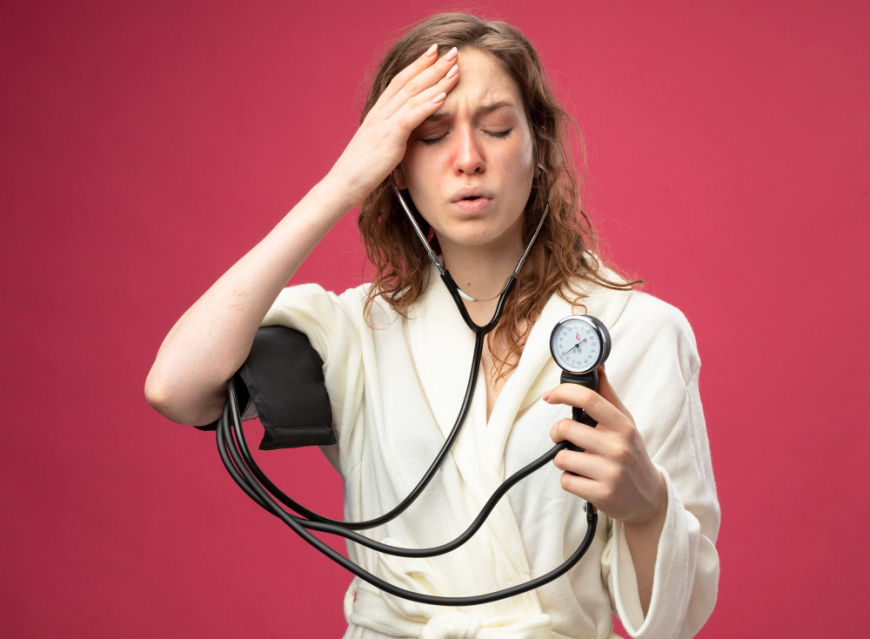
High blood pressure is often called the “silent killer,” but why is that? Well, here’s the thing: Stage 2 hypertension quietly puts your entire body under stress, especially if left untreated. You might be wondering what really happens when blood pressure stays dangerously high for years.
Let’s explore the health risks of untreated high blood pressure, focusing on Stage 2 hypertension. By the end, you’ll have a clearer picture of the risks, what’s at stake, and some practical steps to protect yourself.
What Is Stage 2 Hypertension?
Let’s start with what Stage 2 hypertension actually means. It’s defined as having a blood pressure reading consistently at or above 140/90 mm Hg. This isn’t borderline or just a little high, it’s more serious and usually requires medical attention. People over 40, those with an unhealthy lifestyle like poor diet, smoking, or chronic stress, and certain ethnic groups tend to be at greater risk. But honestly, it can affect anyone, which is why understanding it matters is so important.
When blood pressure crosses that threshold, your heart and blood vessels start feeling the strain, and ignoring it only makes things worse over time.
Why Is Stage 2 Hypertension So Concerning?
You might ask, “Does this stage 2 hypertension always cause symptoms?” Surprisingly, the answer is no. Many people have no noticeable signs even as their blood pressure remains dangerously high. That’s what makes it so tricky and concerning. Unlike a cough or fever, high blood pressure doesn’t scream for attention early on.
But under the surface, that persistent pressure is doing damage, slowly wearing down your arteries and organs. This silent injury can set the stage for much bigger problems in the future. So, it really pays to catch and control it sooner rather than later.
How Does Stage 2 Hypertension Affect Your Heart?
Here’s where things get serious. Over time, sustained high blood pressure forces your heart to work harder than it should. This extra load can cause:
- Thickening of the heart muscle, reducing how well it pumps blood
- Increased risk of heart attacks due to clogged or damaged arteries
- Heart failure, where the heart struggles to keep up with the body’s needs
- Irregular heart rhythms, which can be life-threatenin
You might think you’d notice these problems coming, but many people don’t feel anything until serious damage has occurred. That’s why regular checkups and blood pressure monitoring are so important, it’s about catching the danger before your heart tells you something’s wrong.
After your heart, your blood vessels bear the brunt next, which leads to other risks.
Could High Blood Pressure Lead to Stroke?
Absolutely. High blood pressure damages the walls of your arteries, making them less flexible and more prone to injury. Over time, this can cause:
- Formation of clots that block blood flow to the brain
- Weak spots that bulge, called aneurysms, which might burst suddenly
- Blockages that lead to ischemic strokes or bleeding strokes
This makes stroke one of the most feared consequences of uncontrolled Stage 2 hypertension. The scary part is, a stroke can happen without much warning, changing life in an instant. Understanding this risk can motivate you to take your blood pressure seriously because prevention truly is better than treatment.
What Other Organs Are at Risk, and Why?
Stage 2 hypertension doesn’t just affect your heart and brain, it impacts other organs too, sometimes in less obvious ways.
- Kidneys: High blood pressure strains the tiny blood vessels that filter waste, potentially causing chronic kidney disease or even kidney failure. This relationship is one of the main reasons doctors emphasize managing blood pressure carefully.
- Eyes: Damage to the delicate vessels at the back of your eyes can lead to vision problems or even blindness, sometimes with no early symptoms.
- Brain: Beyond stroke, untreated high blood pressure is linked to cognitive decline and dementia, slowly impairing memory and thinking over time.
- Metabolic Health: It can also increase the risk of developing diabetes and metabolic syndrome, which compound health problems further.
Taking care of your blood pressure means protecting your whole body, not just your heart.
How Does Stage 2 Hypertension Affect Your Daily Life?
You may think, “It’s just numbers on a machine, right?” But living with Stage 2 hypertension affects much more than readings; it touches everyday life. It can sap your energy and leave you feeling tired and worn out. Anxiety about health worries, frequent doctor visits, and costs can weigh heavily. Some even experience challenges like sexual dysfunction, which is rarely talked about but deeply impacts quality of life.
All of this adds up to a significant emotional toll. It’s perfectly normal to feel overwhelmed or unsure about what to do next. Knowing the risks, however, gives you a chance to regain control and make choices that improve both your health and peace of mind.
Is It Too Late to Reverse the Damage?
Not at all. Even if you’ve had high blood pressure for years, there’s still a lot you can do. Here’s how you can take charge:
- Adopt a healthier lifestyle: Eating more fruits and vegetables, cutting back on salt and processed foods, quitting smoking, and getting regular exercise all help lower blood pressure.
- Medications: Sometimes lifestyle changes alone aren’t enough. Taking prescribed medicine as directed can significantly reduce risks.
- Regular monitoring: Checking your blood pressure at home or with your doctor helps track progress and catch problems early.
The sooner you start managing Stage 2 hypertension, the better your chances of avoiding serious complications. And while you might not see changes overnight, over months and years you can protect your heart, brain, kidneys, and overall well-being.
Conclusion
In summary, Stage 2 hypertension carries serious health risks, but the good news is that these outcomes can often be managed effectively if addressed early. High blood pressure affects many parts of the body and, over time, can lead to complications that impact your heart, brain, kidneys, and overall well-being.
The key is not to ignore it or wait for symptoms, as the damage is often silent. Understanding the clinical outcomes of Stage 2 hypertension highlights the importance of taking timely action by checking your blood pressure regularly and working with your healthcare provider. Small, informed steps can protect your health now and for the future.