London Osteopath Guide: Treatment Options for Chronic Pain and Recovery
 londonosteopath
Chronic pain affects millions of people across the UK, impacting daily activities, work performance, and overall quality of life. Whether the discomfort stems from back problems, joint stiffness, postural issues, or sports injuries, addressing the root cause is essential for long-term relief. In London, osteopathy has become a trusted and effective approach for managing chronic pain, restoring mobility, and supporting recovery.
This guide explains the treatment options a London osteopath provides, how they work, and how patients can benefit from professional osteopathic care.
What Is Osteopathy?
Osteopathy is a holistic healthcare approach that focuses on the musculoskeletal system, including muscles, joints, ligaments, and connective tissues. Osteopaths assess the body as a whole, recognising that pain in one area often relates to dysfunction elsewhere. Treatments are designed to restore alignment, improve movement, and encourage the body’s natural healing abilities.
Unlike approaches that only treat symptoms, osteopathy targets the underlying causes of discomfort. This makes it a highly effective option for chronic pain management, rehabilitation, and long-term mobility improvement.
Common Causes of Chronic Pain
Chronic pain can develop for a variety of reasons, including:
-
Lower back pain from poor posture or prolonged sitting
-
Neck and shoulder tension caused by repetitive movements or desk work
-
Joint stiffness due to ageing, injury, or osteoarthritis
-
Sports injuries that have not fully healed
-
Postural imbalances resulting from lifestyle or occupation
Untreated chronic pain can lead to reduced flexibility, decreased strength, fatigue, and emotional stress, further affecting daily life.
How a London Osteopath Can Help
A London osteopath provides a range of personalised treatment options to relieve pain, restore mobility, and prevent recurrence. The approach combines hands-on techniques, movement assessment, and guided exercises, tailored to the individual’s needs.
1. Manual Osteopathic Techniques
Hands-on treatment is central to osteopathy. Techniques may include:
-
Soft tissue massage to relax tight muscles and reduce tension
-
Joint mobilisation to restore normal range of motion
-
Articulation and stretching to improve flexibility
-
Fascial release to address restrictions in connective tissue
These interventions reduce discomfort, improve blood flow, and restore proper movement patterns.
2. Posture and Movement Assessment
An osteopath will assess spinal alignment, joint mobility, muscle imbalances, and movement habits. Identifying dysfunction is crucial for effective treatment and preventing pain from returning. Osteopaths can pinpoint areas of overcompensation and design strategies to correct them.
3. Individualised Exercise Plans
Treatment often includes specific exercises to strengthen stabilising muscles, improve posture, and support joint function. This empowers patients to maintain improvements at home, enhancing long-term recovery and reducing the risk of further injury.
4. Rehabilitation Support
For patients recovering from surgery, sports injuries, or chronic conditions, osteopathy provides structured rehabilitation. Gentle mobilisation and strengthening techniques help restore functional mobility, rebuild muscle support, and facilitate a safe return to daily activities or athletic performance.
5. Pain Management and Lifestyle Advice
Osteopaths also provide guidance on ergonomics, posture, and lifestyle habits that contribute to pain. Education on proper movement and activity modification complements hands-on treatment, ensuring sustainable improvements.
Benefits of Osteopathic Treatment for Chronic Pain
Choosing osteopathy for chronic pain offers multiple benefits:
-
Reduced pain and discomfort in targeted areas
-
Improved flexibility, mobility, and range of motion
-
Enhanced posture and body alignment
-
Strengthened stabilising muscles to prevent future pain
-
Better overall function, energy, and quality of life
Many patients report feeling lighter, more mobile, and more in control of their bodies after regular osteopathic sessions.
Why Choose a London Osteopath?
London osteopaths combine extensive clinical training with experience in modern lifestyle and work demands. They provide personalised care, focusing on both immediate relief and long-term health. Unlike generic treatments, osteopathy in London is tailored to your individual posture, movement patterns, and recovery goals, ensuring effective results and long-term benefits.
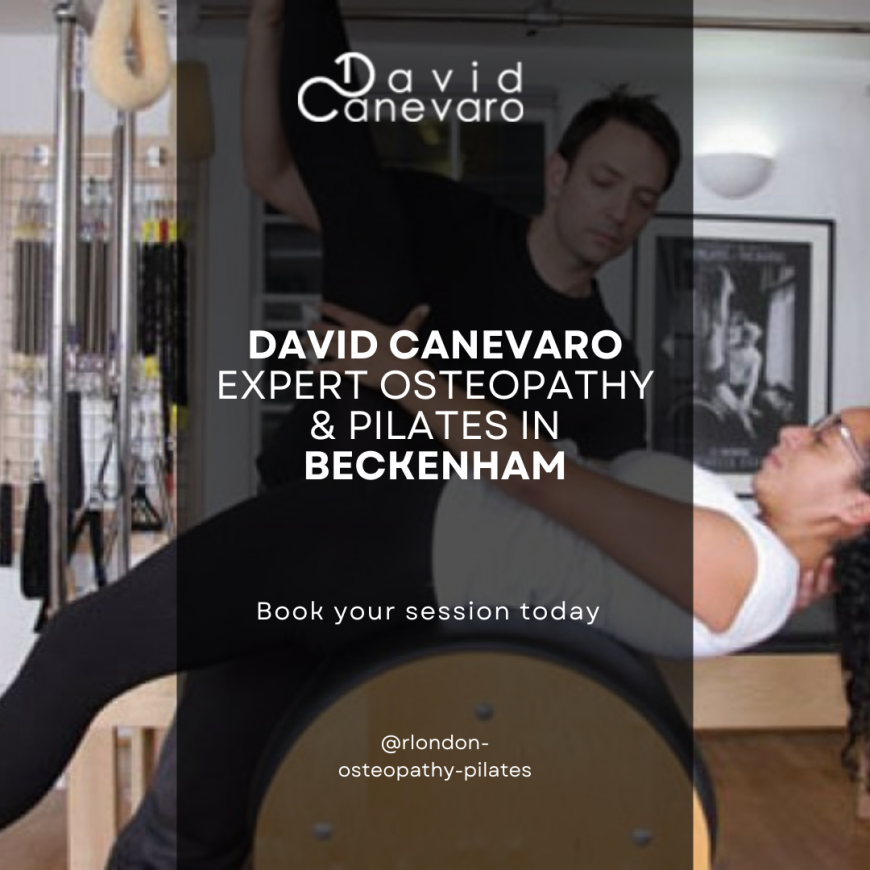
For those seeking expert osteopathic care in London, David Canevaro BSc (Hons) is a highly experienced osteopath and clinical Pilates instructor. He has helped clients of all ages and backgrounds, from office workers with postural pain to athletes recovering from injuries.
David’s approach combines hands-on osteopathy with clinical Pilates to restore mobility, strengthen stabilising muscles, and correct postural imbalances. His treatments are fully personalised, focusing on reducing pain, improving function, and supporting sustainable recovery.
Whether you are dealing with chronic back pain, neck tension, joint stiffness, or sports-related injuries, David Canevaro provides professional care to help you move better, recover faster, and prevent future issues.
Book a consultation with David today and take the first step towards effective pain management and long-term recovery.
Frequently Asked Questions
1. How quickly can I expect results from osteopathy?
Many patients notice improvement in pain and mobility within 2–4 sessions, though long-term results depend on consistent treatment and exercises.
2. Is osteopathy painful?
Treatment is generally gentle. Some techniques may create mild discomfort, but the aim is always to relieve pain and restore comfort.
3. Can osteopathy help with long-standing injuries?
Yes. Osteopaths are trained to address chronic conditions and underlying dysfunctions that may have persisted for years.
4. How often should I see an osteopath for chronic pain?
Frequency depends on the severity of the condition. Weekly sessions are common initially, tapering to monthly check-ups for maintenance.
5. Does osteopathy include exercises?
Yes. Individualised exercises complement manual therapy to strengthen muscles, improve posture, and support recovery.