Learning the Basics of Professional Roofing Services
A roof protects a home from rain, wind, sunlight, and seasonal temperature changes every day.
 williamthomes5566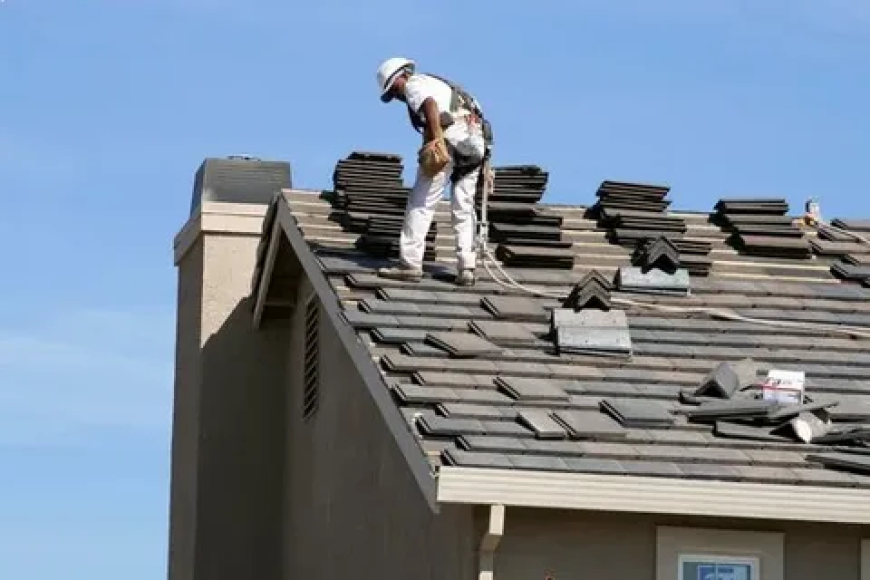
Selecting a Roofing Contractor in Puyallup, WA involves more than comparing prices. Homeowners benefit from learning how roofing services are planned, what takes place during installation or repair, and how different materials perform over time. A clear view of the process makes it easier to compare proposals and recognize work that meets accepted construction standards.
Every Roofing Project Starts With a Careful Evaluation
Professional roofing work begins with an inspection rather than immediate construction. Contractors examine shingles, flashing, vents, gutters, and roof decking to determine the actual condition of the system. Water stains inside the attic may indicate damage that cannot be seen from the ground, while loose flashing around chimneys often creates entry points for moisture.
Measurements are collected to estimate material quantities accurately. Roof pitch, valleys, skylights, and penetrations all affect labor requirements. A simple ranch-style roof generally requires less installation time than a multi-level home with steep slopes and intersecting roof sections.
The inspection also identifies structural concerns that should be corrected before new roofing materials are installed. Roof Replacement Services in Puyallup, WA help address damaged roofing components before new materials are installed to support a more reliable finished system. Replacing shingles without addressing damaged decking often shortens the lifespan of the finished roof.
Materials Influence Performance for Decades
Different roofing products serve different climates and building designs. Material selection should balance durability, maintenance expectations, appearance, and budget.
Common residential roofing materials include:
-
Asphalt shingles
-
Metal roofing panels
-
Cedar shakes
-
Composite roofing systems
Each material has unique installation methods. Metal roofs require precise fastening techniques to allow for thermal expansion. Asphalt shingles depend on proper overlap patterns and correct nailing locations to resist wind uplift. Installation quality matters just as much as material selection.
Installation Depends on More Than New Shingles
Many homeowners associate roofing with replacing visible shingles, but several hidden components contribute to long-term performance.
Water-resistant underlayment forms an additional protective layer beneath the finished roofing surface. Flashing directs water away from roof intersections and openings. Ridge vents help regulate attic temperatures while reducing moisture buildup that can affect insulation and wood framing.
During replacement projects, contractors frequently remove existing roofing materials to inspect the decking underneath. Damaged plywood or oriented strand board may require replacement before installation continues.
This systematic approach helps reduce the likelihood of trapped moisture remaining beneath the new roof. Roof Installation Services in Puyallup, WA focus on proper placement of underlayment flashing and roofing materials to improve long-term weather protection.
Scheduling and Weather Shape the Timeline
Roofing schedules depend on several practical factors. Material availability, weather conditions, roof complexity, and permit requirements all influence project duration.
A straightforward residential roof replacement may take only a few days under favorable weather. Larger homes with multiple roof elevations often require additional time because crews must work carefully around valleys, dormers, chimneys, and ventilation systems.
Unexpected rain can temporarily pause installation. Roofing materials should remain dry during critical stages to maintain proper adhesion and prevent moisture from becoming trapped beneath finished surfaces.
During this phase, Evergreen General Construction #1 LLC follows project planning practices that help maintain steady progress while allowing adjustments for changing site conditions.
Quality Control Continues After Installation
Professional roofing services extend beyond placing the final shingle.
Contractors inspect flashing alignment, ventilation openings, sealant application, and fastener placement before considering the work complete. Debris removal is another essential part of the process. Roofing nails, discarded materials, and damaged flashing pieces should be collected to improve safety around the property.
Homeowners often receive documentation describing installed materials, warranty information, and maintenance recommendations. These records become valuable if repairs are needed years later or if the property is sold.
Regular inspections after severe storms can identify isolated damage before water enters the structure. Small repairs performed early generally cost less than correcting widespread deterioration. Roof Maintenance Services in Puyallup, WA help identify developing issues through routine evaluations before they become larger roofing concerns.
Signs That Professional Roofing Attention May Be Needed
Visible leaks represent only one indication of roofing problems. Many issues develop gradually before becoming noticeable inside the home.
Several conditions deserve professional evaluation:
-
Curled or missing shingles
-
Granules collecting inside gutters
-
Rust around flashing components
-
Sagging roof sections
Prompt inspections help determine whether localized repairs remain practical or whether replacement offers the better long-term solution.
Planning Roofing Work With Confidence
Roof replacement is a significant investment, making clear communication valuable throughout the project. Written estimates should explain material specifications, labor scope, cleanup procedures, and estimated completion dates.
Homeowners often compare warranty coverage in addition to project pricing. Manufacturer warranties may cover roofing materials, while workmanship warranties address installation performed by the contractor. Reading both documents carefully helps clarify responsibilities if future issues develop.
Permit requirements also vary by municipality. Professional contractors remain familiar with local building codes and inspection procedures, reducing delays caused by incomplete documentation or noncompliant installations.
Long-Term Value Comes From Consistent Roof Care
Professional roofing services involve planning, careful installation, quality inspections, and ongoing maintenance rather than simply replacing worn shingles. Roofs that receive periodic evaluations often experience fewer unexpected failures because developing issues are identified before extensive structural damage occurs. Material selection, ventilation, flashing installation, and proper workmanship each contribute to a roof that performs reliably through changing weather conditions while protecting the home beneath it.
Common Roofing Questions
How often should a residential roof be inspected?
Many roofing professionals recommend an inspection every one to two years and after major storms that produce high winds or hail.
Can a new roof be installed over existing shingles?
Some building codes allow this under specific conditions, but complete removal often provides a better opportunity to inspect the roof deck for hidden damage.
What affects the cost of a roofing project?
Roof size, slope, material selection, structural repairs, labor requirements, and local permit fees all influence total project costs.
Why is attic ventilation connected to roofing performance?
Proper ventilation helps regulate temperature and moisture levels, reducing conditions that may shorten the lifespan of roofing materials or damage roof framing.
Does replacing flashing matter during roof replacement?
Yes. Flashing protects roof penetrations and joints where leaks commonly develop. Replacing worn flashing improves water resistance throughout the roofing system.
How can homeowners prepare before roofing work begins?
Vehicles should be moved away from the work area, fragile attic items protected from vibration, and outdoor furniture relocated if necessary to provide safe access around the home.