LAGOS Diamond Bracelet vs Other Designer Bracelets: What Sets It Apart?
 thomasgarcia
When you're shopping for high-end jewelry, the names usually fall into two camps: the "status symbols" everyone recognizes and the "designer favorites" that people buy for the artistry. A Lagos diamond bracelet sits comfortably in that second camp. It doesn’t scream for attention from across the room, but once someone sees it on your wrist, they know exactly what it is.
If you’re trying to decide between a LAGOS piece and other recognized brands like Tiffany or David Yurman, here is what actually separates the Philadelphia-born brand from the rest.
What Makes LAGOS Diamond Bracelets Unique?
The most immediate differentiator is the texture. While most luxury brands rely on smooth polished surfaces or "cable" twists, the LAGOS diamond bracelet is built on the "Caviar" concept.
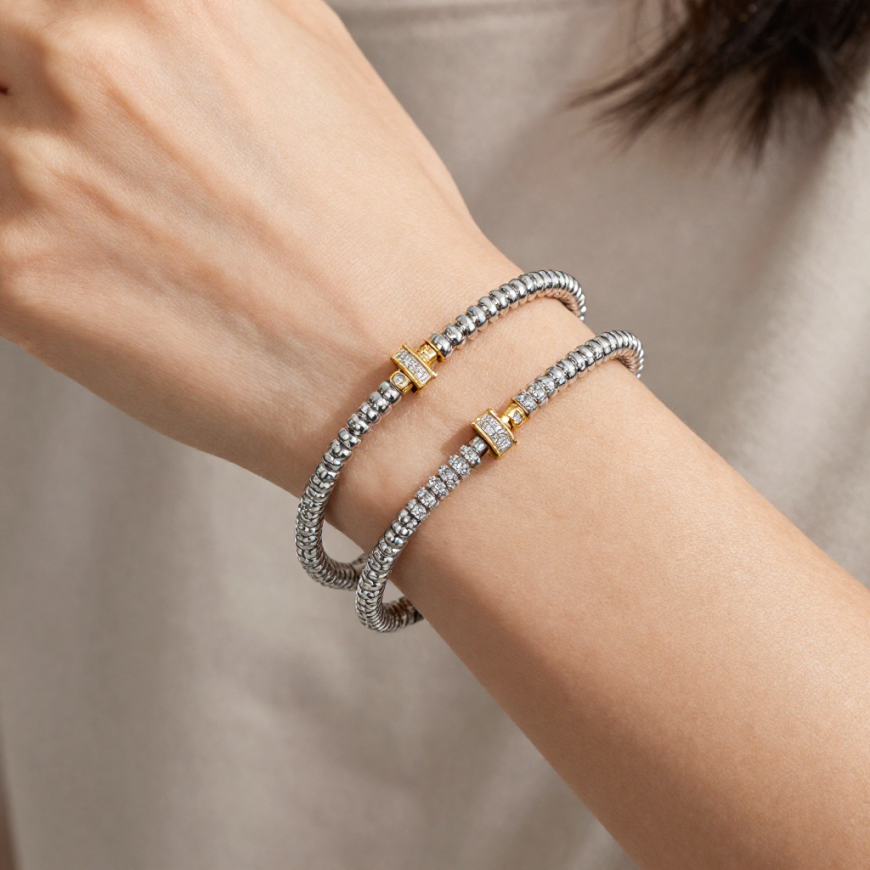
Created by Steven Lagos in 1984, this design features hundreds of tiny, hand-set silver or gold beads. It’s a tactile experience that feels more like a fabric than a piece of hard metal. When you add diamonds into that beaded texture, the light doesn't just hit the stone, it bounces off the beads too, creating a constant, low-simmering shimmer that you don’t get with a flat bangle.
Craftsmanship and Signature Design Elements of LAGOS
The "Caviar" beading isn't just for looks; it’s a feat of engineering. Each LAGOS Caviar diamond bracelet is designed to be flexible. Unlike a rigid cuff that might pinch or a flimsy chain that tangles, these bracelets have a structural memory. They move with your wrist but hold their shape.
You’ll often see the "signature X" or fluted stations where the diamonds are housed. These architectural details act as a frame, making the diamonds look like they are floating within the silver and gold beadwork.
Material Quality: LAGOS vs Other Designer Bracelets
One of the smartest things LAGOS does is the "Two-Tone" mix. A LAGOS sterling silver diamond bracelet almost always features 18k gold accents.
● The Silver: They use high-grade sterling silver that is specifically oxidized in the "valleys" between the beads to create depth and contrast.
● The Diamonds: LAGOS uses high-clarity, natural diamonds. While other brands might use "diamond chips" in their silver lines, LAGOS treats their silver pieces with the same gemstone standards as their solid gold collections.
● Competitor Comparison: While brands like Tiffany often stick to high-polish silver or solid gold, LAGOS bridges the gap, giving you the luxury of gold and diamonds with the approachability of silver.
Style Versatility and Everyday Wearability Compared
This is where the Lagos diamond bracelet wins. Because of the beaded texture, it hides scratches incredibly well. A polished Cartier Love bracelet is a "scratch magnet," but a LAGOS piece looks the same on day 1,000 as it did on day 1.
It’s also the ultimate stacking piece. It doesn't "compete" with a watch or other bracelets because the texture plays well with everything. It’s the kind of jewelry you can wear with a gym outfit just as easily as a cocktail dress.
Price, Value, and Long-Term Appeal of LAGOS Diamond Bracelets
In terms of investment, LAGOS holds its value because it isn't "trendy." Because the brand has stuck to the Caviar design for over 40 years, a bracelet bought in the 90s looks virtually identical to one bought today.
You get designer prestige and genuine diamonds for a fraction of the price of a solid gold "prestige" brand, without sacrificing the hand-finished craftsmanship.
Conclusion
The Lagos diamond bracelet stands apart because it focuses on how a piece of jewelry feels against the skin, not just how it looks in a display case. Between the iconic Caviar texture and the clever mix of metals, it’s a piece built for the person who wants luxury.
Curious about how to start your first jewelry stack? Subscribe to our blog for more designer comparisons and styling tips!