Your Complete Planning & Preparation Guide for an Amboseli Safari Trip from Nairobi
An Amboseli safari is one of those trips that genuinely lives up to the hype, but only when you go in prepared. Whether you're considering a quick day trip from Nairobi to Amboseli or you've booked the 2-day express package, a little preparation goes a long way.
 Ketsafaris
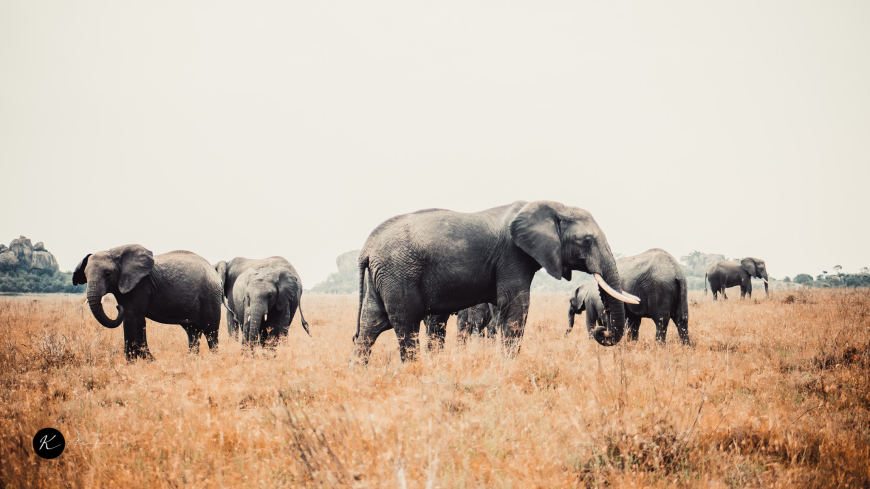
Picture this: you're sitting in a 4×4 Land Cruiser just after sunrise, Mount Kilimanjaro glowing pink above the treeline, and a herd of elephants moving slowly through the dust ahead of you. That moment doesn't happen by accident. It happens because someone planned well.
An Amboseli safari is one of those trips that genuinely lives up to the hype, but only when you go in prepared. Whether you're considering a quick day trip from Nairobi to Amboseli or you've booked the 2-day express package, a little preparation goes a long way. This guide covers everything you need to know the right vehicle, what to throw in your bag, how to choose an operator, and the honest truth about what to expect once you're out in the park.
Choose the Right Transport: It Makes More Difference Than You Think
This is the first decision that shapes everything else. Amboseli's terrain shifts between open grassland, dusty volcanic soil, and marshy swamp edges. In the wet season, some tracks turn soft and uneven. A standard saloon car won't cope, and a basic minivan will limit your view.
Why a 4×4 Safari Vehicle Is the Right Call
A proper 4×4 Land Cruiser like the ones used on the Ketsafaris Amboseli Express Safari gives you pop-up roof access, a guaranteed window seat, and the ground clearance to reach the spots other vehicles avoid. When you're parked beside the Enkongo Narok swamp watching elephants drink at close range, you'll understand why vehicle choice matters. For groups of up to seven, a Land Cruiser keeps the experience personal without feeling cramped.
If you're looking at a Kenya safari day trip or a two-day express package starting from $700, confirm the vehicle type before you book. A quality operator won't cut corners here.
What to Pack for Amboseli: A Practical, No-Nonsense List
Nobody tells you this clearly enough: packing for Amboseli isn't the same as packing for a beach holiday. Mornings are genuinely cool, especially during early game drives that kick off around 6 AM. By midday, the sun is fierce, and the dust is relentless.
Clothing That Works in the Bush
Go for light, neutral tones: khaki, olive, beige, or grey. Bright colours are unnecessary and can disturb wildlife. Layer up for the morning drive with a light fleece or zip-up jacket that you can shed by 9 AM. Long sleeves help with sun protection on open stretches. Leave the white shirts at home unless you want a souvenir of Amboseli's famous red dust.
Gear Worth Bringing
A pair of binoculars transforms a distant brown smudge into a cheetah scanning the horizon. Even a basic pair adds enormously to the experience. Bring a camera with a charged battery and a spare; you will use it. A wide-brim hat and sunglasses are non-negotiable, as is high-SPF sunscreen. Toss in a reusable water bottle alongside the bottled water your guide provides, and pack any personal medication you might need for a long travel day.
A small daypack works perfectly for keeping all of this accessible in the vehicle without digging through a large bag every time you stop.
Booking Through a Reputable Operator: What to Actually Look For
Plenty of companies offer Amboseli safari tours. Not all of them deliver the same experience. This is one area where doing a bit of research before you travel genuinely pays off.
The Signs of a Trustworthy Safari Company
Look for operators who are transparent about exactly what's included in the package price. A well-structured tour like the Ketsafaris Amboseli Express covers park entry fees, accommodation at camps like Kibo Safari Camp Amboseli or Oltukai Lodge; meals; transfers; and a knowledgeable driver-guide all for a clearly stated price from $700 per person in low season. No hidden costs, no vague itineraries.
A good operator also reviews the itinerary with you before departure, adjusting based on current wildlife movements and seasonal conditions. Ask whether your guide is a certified naturalist and how long they've been working in Amboseli specifically. Local knowledge is irreplaceable; the best guides know which water sources the elephants favour in the dry months and where the lions are most likely to rest at noon.
Check recent reviews, not curated testimonials on a homepage. Third-party platforms give you a more honest picture.
Managing Your Expectations: The Honest Safari Truth
Here's something most travel blogs gloss over: wildlife sightings are never guaranteed. Amboseli is exceptional; it has one of the highest densities of elephants in Kenya, but nature doesn't perform on schedule.
What You're Realistically Likely to See
In most visits to Amboseli, elephant herds are almost a certainty. Buffalo, zebra, wildebeest, and giraffe are commonly spotted across the open plains. Lion and cheetah sightings happen regularly but depend on timing and luck. A clear view of Kilimanjaro is most reliable in the early morning before clouds build, another reason the pre-dawn game drive on day two of the express safari is worth every minute of lost sleep.
Go in with the mindset of a curious observer rather than someone ticking boxes on a checklist, and the experience becomes richer for it.
Is Amboseli Suitable for Children and Elderly Travellers?
This question comes up often, and the honest answer is: yes, with the right planning.
Travelling with Kids
Children tend to love Amboseli. The open landscapes make wildlife easy to spot even for young eyes, and elephants at close range are genuinely thrilling for kids of any age. The Ketsafaris package offers special rates for children: 75% of the adult price for ages 12–18 and 50% for ages 3–11 sharing with parents. Just be aware that early starts and long road hours (around 4–5 hours each way between Nairobi and the park) can tire younger children. Bring snacks, download something to their tablet, and plan for a restful afternoon at camp.
Older and Less Mobile Travellers
Elderly travellers can absolutely enjoy an Amboseli safari, but the road journey deserves consideration. While the main route is tarmac for most of its length, the final stretch into the park can be rough. A good operator will know the smoothest approach roads and can pace the day accordingly. If mobility is a concern, choosing an overnight stay rather than a pure day trip means less time in the vehicle in a single stretch.
Flexibility and Patience: The Two Skills Every Safari Traveller Needs
No safari guide can summon a leopard on demand. What they can do is put you in the right place at the right time, and that requires you to be open to adjusting plans as the day unfolds.
Let the Guide Lead
If your driver slows down unexpectedly or takes an unplanned detour, there's almost always a reason. A seasoned guide at Kibo Safari Camp Amboseli or on the surrounding plains reads subtle signs of a disturbance in the grass, vultures circling, and a distant dust cloud that most guests simply don't notice. Trust that instinct and resist the urge to watch the clock.
The travellers who walk away with the most memorable stories are rarely the ones who followed the tightest schedules. They're the ones who were still in position when the lioness crossed the track or who waited an extra ten minutes at the swamp and watched an elephant calf take its first mud bath.
Ready to Book Your Amboseli Adventure?
A well-prepared Amboseli safari is one of the most rewarding experiences East Africa has to offer. From the moment your guide picks you up in Nairobi to the final drive back through the park gates, every element of the trip is better when you've thought it through in advance.