Jury Trial vs. Judge Trial: What’s the Difference? – Forward Law Group
When a case goes to trial, one of the first questions is whether it will be decided by a jury or by a judge in a bench proceeding. At Forward Law Group, we’re often asked: What’s the difference between a jury trial vs. judge trial? Both formats serve to resolve disputes—but the processes, potential outcomes, and strategic considerations differ significantly. In this article, we’ll break it all down using clear language, real-world examples, and current information—no fluff, just value.
 tokyo123
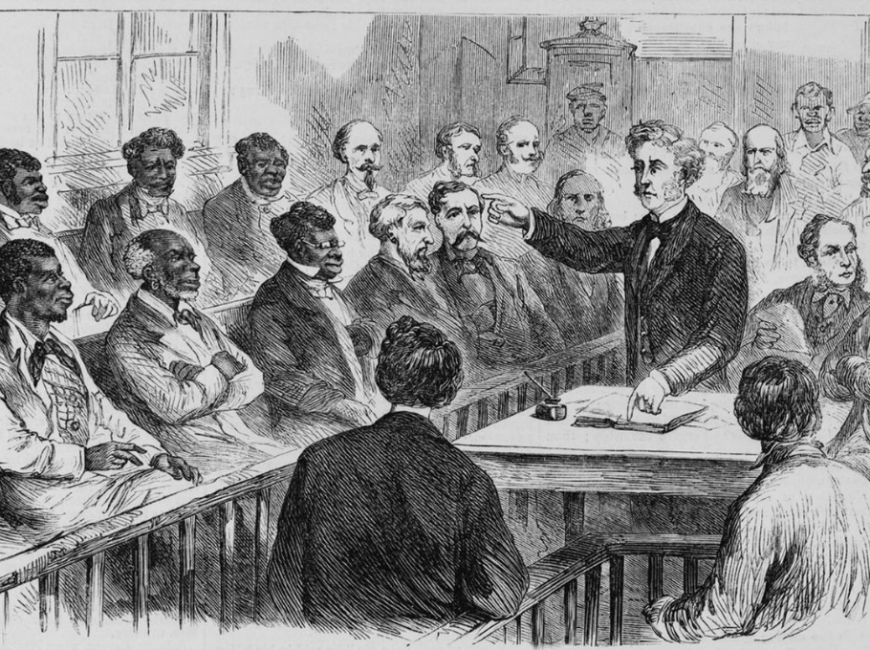
What Is a Jury Trial?
A jury trial places responsibility on a selected group of citizens—typically six to twelve—to determine facts, apply the law, and render a verdict.
Highlights of Jury Trials:
-
Impartiality: Jurors are chosen through voir dire to ensure fairness.
-
Collective judgment: Multiple perspectives shape the outcome.
-
Transparency: The process is public, promoting accountability.
-
Time considerations: Jury selection and deliberation can extend trial length.
Example:
In a recent 2024 negligence case in Los Angeles, a 10-person jury spent three days deliberating before awarding damages. This collective risk assessment was a defining feature of the outcome.
What Is a Judge Trial (Bench Trial)?
A judge trial, or non-jury trial, is decided solely by a judge who evaluates evidence, interprets the law, and issues a verdict.
Pros and Cons of a Judge Trial:
-
Pros:
-
Faster resolution—no jury selection or deliberation delays.
-
Legal specifics handled by experts—ideal for technical or complex issues.
-
-
Cons:
-
Verdict rests on a single perspective.
-
Perception of bias may arise, especially in emotionally charged cases.
-
Case Study:
In a recent patent dispute in 2025, the court granted summary judgment favoring the defendant after only two weeks in a bench trial—highlighting the efficiency of judge trials in specialized matters.
Jury Trial vs. Judge Trial: Side‑by‑Side Comparison
| Feature | Jury Trial | Judge Trial (Bench) |
|---|---|---|
| Decision‑maker | Group of jurors | Single judge |
| Duration | Longer (jury selection, deliberation) | Typically shorter |
| Complex legal matters | Can confuse jurors | Judges handle legal nuance |
| Strategic considerations | Emphasis on storytelling, emotion | Emphasis on legal analysis |
| Confidentiality | Proceedings are public | Still public, but potentially quieter |
| Plaintiff experience | Broad community input | Legal-centric outcome |
How to Choose: Jury Trial vs. Judge Trial?
1. Nature of the case
-
Jury: Best for disputes where human emotion, injury, or credibility are central.
-
Judge: Preferred when the matter turns on specialized legal issues or statutory interpretation.
2. Speed vs. deliberation
-
Judge trials streamline proceedings—beneficial when time and costs are key.
-
Jury trials may be slower but bring deliberation based on diverse viewpoints.
3. Risk tolerance
-
Do you prefer spreading your fate among twelve people, or placing your case in one judge’s hands?
4. Public perception
-
Jury verdicts carry a sense of community endorsement; bench rulings may feel more technical.
Real‑World Example: Personal Injury Case
Scenario:
Jane Doe slipped on a wet café floor and suffered a fractured wrist. Two approaches:
-
Jury trial:
-
Jurors may empathize and award a higher pain-and-suffering sum.
-
But emotional testimony could backfire if jurors are skeptical.
-
-
Judge trial:
-
May focus tightly on medical records and expert testimony.
-
Faster verdict—often within weeks.
-
At Forward Law Group, we analyze each case’s factors—evidence, personalities, legal nuances—to advise the most strategic path.
Case Study: Employment Dispute, 2025
At Forward Law Group, we defended a mid‑sized tech firm accused of wrongful termination:
-
Phase I: Bench trial led by a judge due to complex contractual and regulatory issues.
-
Outcome: Partial summary judgment in our client’s favor—saving weeks or months of trial time.
-
Takeaway: The judge’s expertise in contract law was the key to our swift resolution.
Tips from Forward Law Group
-
Engage early: Discuss trial format options early in pre‑trial strategy.
-
Tailor preparation: Craft exhibits and arguments suited to jurors or judges.
-
Mock tests: Conduct mock jury sessions or judge panels during trial prep.
-
Expert help: In technical cases, expert affidavits may reduce trial time in bench trials.
Final Thoughts
Jury trial vs. judge trial isn’t just a procedural choice—it’s a strategic decision that affects timing, tone, and outcome. At Forward Law Group, our experienced team guides you through these decisions, drawing on up‑to‑date case precedent and trial experience. Whether you’re leaning toward a jury to capture empathy or packing your case with legal arguments for a judge, we help you pursue the strongest path forward.
Ready to Talk Strategy?
Not sure which direction is right for your case? Reach out to Forward Law Group for a free consultation. We’ll weigh your options, assess risk, and help map out the trial approach with precision and care.