
IoT Beehive Monitoring System: Smart Tech for Bee Health, Wildfire Survival & Winter Protection
Learn effective tips to keep ants out of the beehive, discover methods of beekeeping, and understand how smart beehive heat treatment for winter ensures hive survival. Plus, gain insights into how bees are threatened by Australian wildfires and how IoT helps safeguard their future.
 williamrichardoff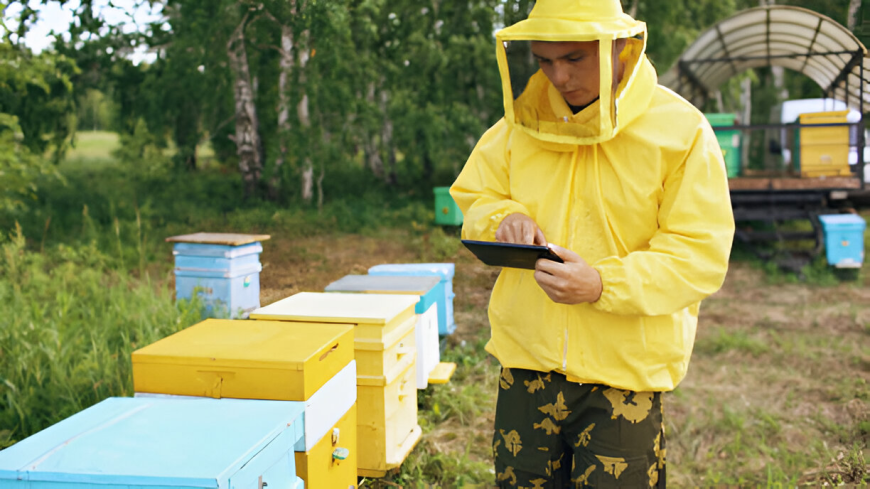
The significance of honeybees in global food production is immense. They are responsible for pollinating over 70% of the crops that feed the world. However, due to increasing environmental stressors and invasive threats, bee populations are in steady decline. This crisis has catalyzed the adoption of modern technology to aid beekeepers in saving these invaluable pollinators. One of the most revolutionary tools to emerge is the IoT Beehive Monitoring System, a smart technology that is transforming traditional beekeeping practices.
The Need for Innovation in Beekeeping
Beekeeping, also known as apiculture, has traditionally relied on manual inspection, which is labor-intensive, time-consuming, and often disruptive to the bees. Frequent hive checks can stress colonies, while infrequent checks may allow problems like diseases, pests, or temperature fluctuations to go unnoticed.
The introduction of IoT (Internet of Things) beehive monitoring systems bridges this gap by allowing real-time, remote hive monitoring with the help of smart sensors. These systems offer beekeepers the tools to collect accurate data on hive health, temperature, humidity, bee activity, and even queen presence.
1. How IoT is Revolutionizing Beekeeping
IoT sensors inside the hive collect a continuous stream of data, which is transmitted to a cloud platform or a mobile app. Beekeepers receive alerts about abnormal conditions, such as sudden drops in temperature or unexpected sound patterns that may indicate swarming or queenlessness.
The result? Early detection, proactive intervention, and minimal disruption to the bees. This innovative system not only improves hive productivity but also enhances bee welfare.
2. Smart Beehive Heat Treatment for Winter
One of the most challenging seasons for bees is winter. Cold temperatures, lack of forage, and moisture accumulation can devastate hives. Traditionally, beekeepers relied on insulation and sugar boards to support bees during colder months.
Thanks to IoT, smart beehive heat treatment for winter has emerged as a sustainable solution. Smart heating pads or elements, controlled by IoT sensors, ensure that the hive maintains an optimal temperature range (around 32–35°C). These pads only activate when necessary, saving energy and extending device lifespan.
This automated approach helps in:
-
Preventing cold-induced colony losses.
-
Reducing mold and moisture-related issues.
-
Maintaining bee activity in extreme temperatures.
This technology is especially beneficial for beekeepers in colder regions and ensures the survival of the colony until spring.
3. Effective Tips to Keep Ants Out of the Beehive
Despite being small, ants can become a serious nuisance to honeybee colonies. They invade hives in search of honey and protein, disturbing the colony and sometimes causing abandonment. Integrating traditional prevention methods with smart monitoring ensures robust ant control.
Here are effective tips to keep ants out of the beehive:
-
Use Ant Moats: These are water-filled barriers placed around hive stands to prevent ants from climbing.
-
Apply Diatomaceous Earth: A natural powder that damages the exoskeleton of ants, making your hive base uninviting.
-
Maintain Hive Cleanliness: Remove fallen combs, spilled honey, or dead bees which attract ants.
-
Deploy Smart Alerts: IoT motion sensors can detect ant intrusions early and notify the beekeeper before a full invasion occurs.
Proactive ant prevention reduces stress on the hive and ensures bee health is not compromised by invasive pests.
4. Methods of Beekeeping: Traditional Meets Smart
Beekeeping methods vary based on region, climate, and scale, but the core practices have remained largely the same for centuries. With the rise of smart monitoring, these methods of beekeeping are being refined for the modern world.
a. Traditional Methods Include:
-
Langstroth Hives: Popular for their removable frames.
-
Top-Bar Hives: Horizontal and easy for natural comb building.
-
Warre Hives: Vertical stacking design, simulating a tree cavity.
b. Smart Beekeeping Enhancements:
-
Sensor-based Health Monitoring: Detects diseases like Varroa mite infestations early.
-
Automated Feeding Systems: Ensure bees get adequate nutrition in times of scarcity.
-
Sound Analysis: Audio sensors track queen piping or swarming behavior.
By merging tradition with innovation, beekeepers can now enjoy higher productivity, reduced manual labor, and enhanced bee welfare.
5. Bees Are Threatened by Australian Wildfires
Climate change has dramatically impacted bee populations worldwide. One of the most alarming examples is how bees are threatened by Australian wildfires.
These catastrophic fires have:
-
Destroyed millions of hectares of bee habitats.
-
Killed countless native bees and honeybee colonies.
-
Reduced floral biodiversity, essential for bee foraging.
In such scenarios, IoT can play a pivotal role in:
-
Tracking environmental hazards and redirecting hives to safer locations.
-
Mapping fire-affected zones to evaluate habitat loss.
-
Monitoring air quality and its impact on hive productivity and survival.
Wildfires are a stark reminder of how fragile our ecosystems are, and integrating technology like IoT into environmental conservation and beekeeping is no longer optional it’s essential.
6. Benefits of IoT Beehive Monitoring Systems
-
Real-time hive data via smartphones or dashboards.
-
Proactive health management for disease and pest control.
-
Energy-efficient climate control during extreme seasons.
-
Minimized human intervention, which means less stress for bees.
-
Increased honey production due to optimal hive conditions.
This approach is particularly effective for commercial beekeepers managing dozens or even hundreds of hives. It also makes beekeeping more accessible to hobbyists who may not have the time or expertise to inspect hives frequently.
7. Looking Ahead: The Future of Smart Beekeeping
As we face mounting challenges from climate change, pollution, and habitat destruction, IoT-based smart beekeeping offers a glimmer of hope. With real-time data, AI-driven insights, and automated systems, beekeepers can ensure their colonies thrive, even in unpredictable environments.
The future may bring:
-
AI models predicting swarming behavior.
-
Blockchain honey traceability using hive data.
-
Solar-powered IoT systems for remote and off-grid locations.
Platforms like GoBuzzr are at the forefront of this beekeeping revolution, offering smart, scalable solutions for sustainable apiculture.
Conclusion
From battling climate extremes like the Australian wildfires to solving age-old issues like ant invasions, the IoT Beehive Monitoring System empowers beekeepers with precision, automation, and peace of mind. By blending traditional methods of beekeeping with smart beehive heat treatment for winter and real-time monitoring, we can ensure a healthier future for bees and by extension, for humanity.