Specifying Building Materials for Durability and Long-Term Performance
From structural boards to tile adhesives, the building materials you choose affect longevity. Learn what professionals look for when specifying for wet areas.
 insulation
Choosing the right building materials is critical for achieving structures that remain reliable and efficient over time. Material specification involves balancing performance, cost, environmental conditions, and maintenance requirements. Durable products can reduce lifecycle costs, improve resilience, and enhance overall building quality. Understanding the key factors that influence long-term performance helps architects, contractors, and property owners make informed decisions that support sustainable and successful construction outcomes.
Why Specification Matters More Than Brand Loyalty
In the construction industry, there is a tendency to specify familiar products based on past experience rather than systematic evaluation of what a particular application demands. While familiarity reduces risk in some ways, it also means that better-performing alternatives are sometimes overlooked. The most reliable approach is to understand the performance requirements of each application first, then identify the product that best meets those requirements.
This is particularly true in wet area construction bathrooms, kitchens, external wall systems where the combination of moisture, temperature cycling, and mechanical loading creates demanding conditions that quickly expose any shortcomings in material selection.
The Foundation: Selecting Substrates
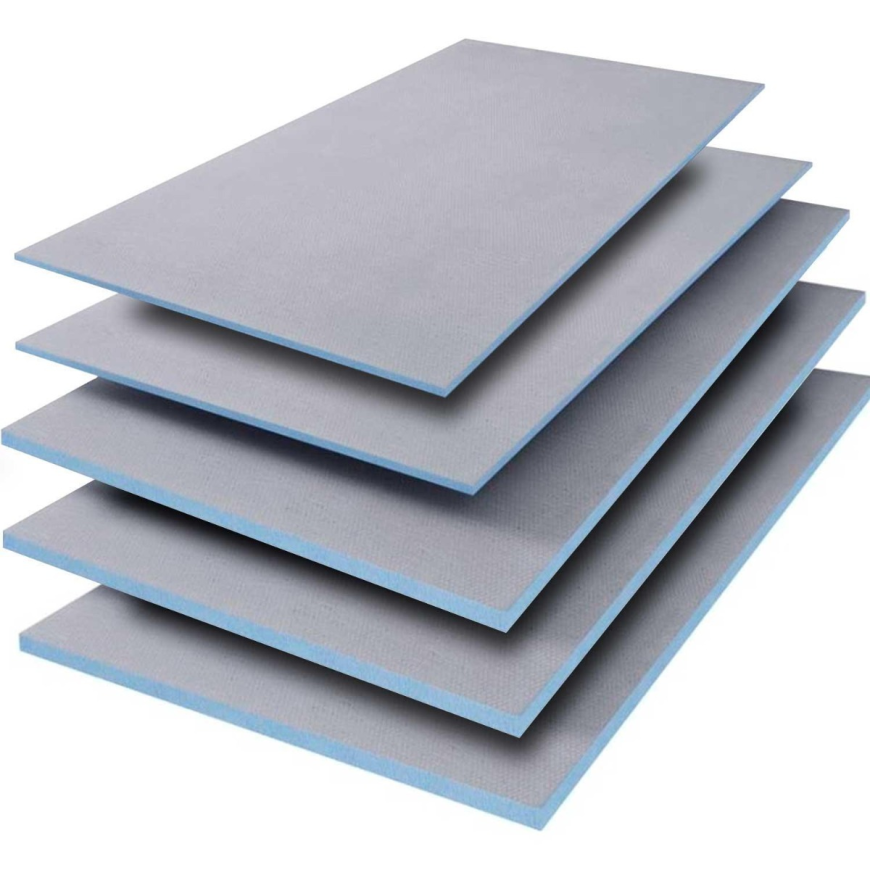
The performance of any wet area finish system depends heavily on the quality of the substrate to which it is applied. Among the range of building materials that form this substrate — cement boards, moisture-resistant plasterboard, screed compounds, and render base coats — the most important characteristics are dimensional stability under moisture exposure, mechanical strength sufficient to support the intended finish weight, and a surface texture that bonds reliably to the adhesive system above.
Specifying a premium tile adhesive over an inadequate substrate does not save the system. Substrate failure — whether through moisture-induced swelling, insufficient rigidity, or bond failure at the board-to-stud joint — is the most common root cause of tiled finish failures in residential and commercial applications.
Tile Adhesives: What Separates Good from Great
Tile adhesive is a category where product quality has a direct and visible impact on the finished result. Poor-quality or incorrectly specified adhesive can lead to hollow spots beneath tiles, reduced coverage causing bond failures, shrinkage cracking during curing, and loss of adhesion in conditions of repeated wetting and drying.
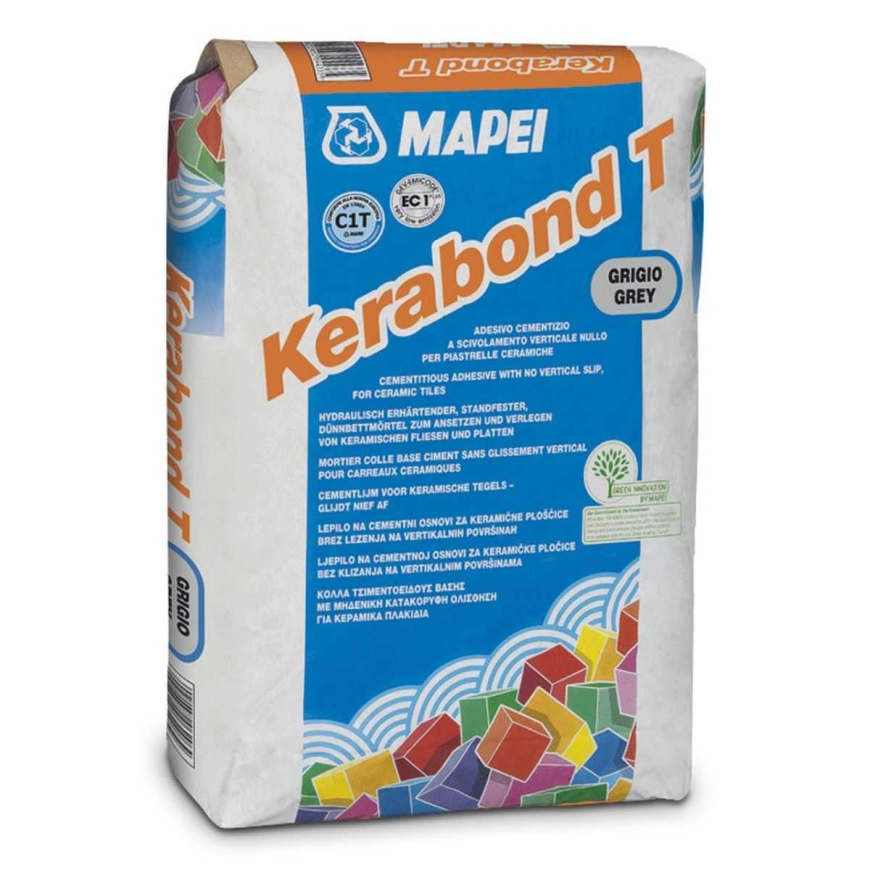
The key technical standards for tile adhesives are set under BS EN 12004, which classifies adhesives by their base chemistry (cementitious, dispersion, or reactive), by setting speed, and by performance class. Class C2 cementitious adhesives — improved cementitious adhesive — offer significantly higher tensile bond strength than the C1 standard class and are the appropriate choice for wall tiles in wet areas, large-format tiles, and any application where slip resistance during setting is important.
Why Mapei Tile Adhesives Have Earned Their Reputation
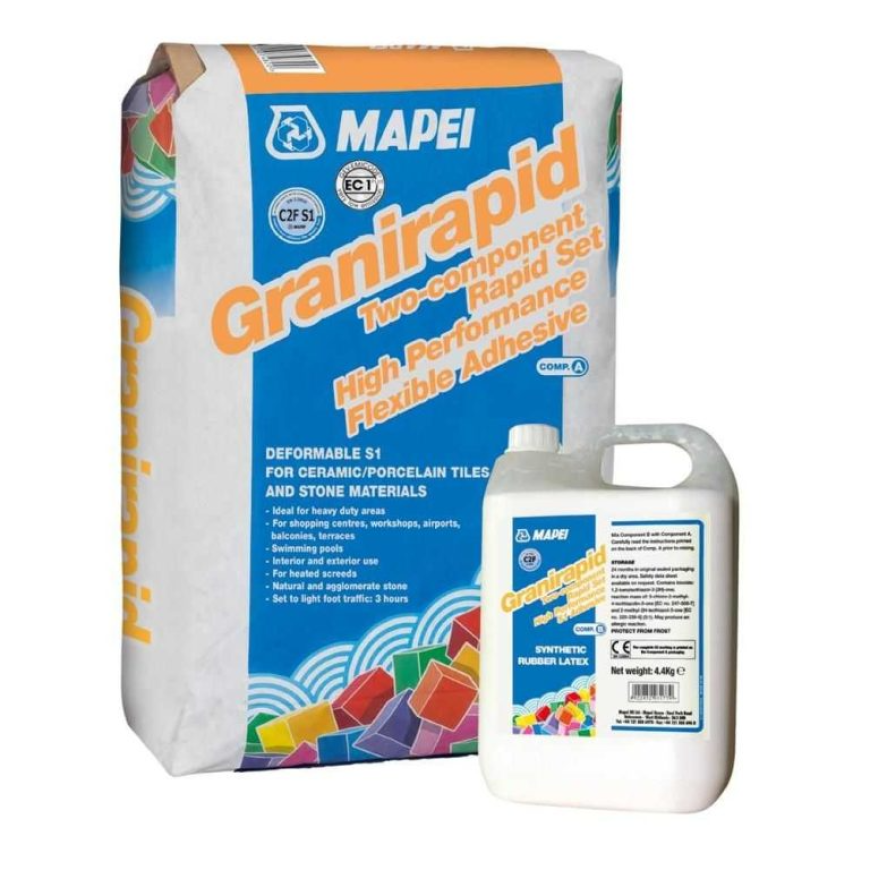
Among the tile adhesive brands regularly specified by professional tilers and contractors, mapei tile adhesives are consistently cited for their formulation consistency, technical documentation, and breadth of system products. The Mapei range includes adhesives for virtually every tile substrate combination, from lightweight ceramic over plasterboard to large-format porcelain over underfloor heating screeds, each with published performance data that makes it straightforward to select the right product for the specific application.
The availability of a complete system — primer, adhesive, grout, sealant, and waterproofing membrane from a single manufacturer — is a practical advantage in wet area work, where the interaction between products affects overall system performance and where a single-source system makes warranty claims straightforward if problems arise.
Conclusion
The gap between good-enough and genuinely long-lasting results in wet area construction often comes down to the systematic selection of materials that are matched to each other and to the conditions they will face in use. Insulation Point Limited supplies a comprehensive range of construction and tiling system products, helping customers specify with confidence and complete projects that perform well for years to come.