Innovative Water Separation Solutions with Geotextile Tubes in Environmental Projects
 jackdavid
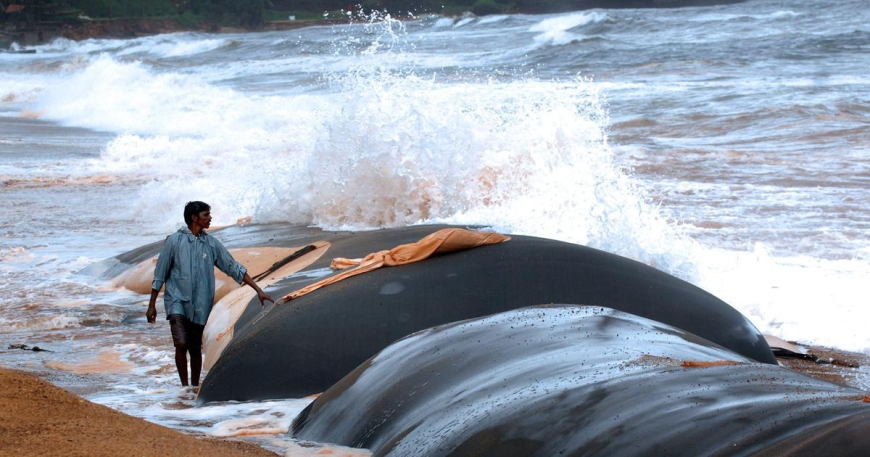
Effective water management plays a crucial role in the success of modern environmental and infrastructure projects. Whether it’s dewatering a contaminated site, managing stormwater runoff, or supporting dredging operations, innovative solutions are required to meet environmental regulations and optimize project efficiency. One such innovation that has gained widespread recognition is the use of geotextile tubes—an advanced and eco-friendly option for solid-liquid separation.
What Are Geotextile Tubes?
Geotextile tubes are large, permeable fabric containers that are filled with slurry or sludge. The fabric is specifically engineered to allow water to escape while retaining solids inside. These tubes are typically made from high-strength woven polypropylene, which ensures durability in a wide range of environmental conditions. They are especially useful in coastal restoration, construction dewatering, and agricultural waste management.
Advantages in Environmental Projects
Geotextile tubes provide a sustainable method for managing sediment and sludge in sensitive environments. They significantly reduce the volume of waste by efficiently filtering out water, making disposal easier and more cost-effective. The retained solids inside the tube can also be repurposed for land reclamation or safely disposed of, depending on the nature of the material.
In marshland restoration or shoreline protection projects, these tubes serve a dual purpose: they separate solids from water while simultaneously forming a barrier that helps prevent erosion. This multifunctional use reduces the need for heavy infrastructure and preserves natural landscapes.
Enhanced Performance Through Modern Water Separation Techniques
Modern water separation techniques have greatly enhanced the performance of geotextile tubes. These techniques include the use of flocculants to accelerate the dewatering process, automated pump systems for controlled filling, and advanced monitoring technologies to ensure optimal performance.
By integrating these techniques with geotextile tube applications, environmental engineers can achieve higher efficiency and more predictable results. This not only shortens project timelines
but also aligns with environmental protection goals, as the processed water can often be safely returned to the ecosystem.
The adoption of geotextile tubes represents a significant shift toward more responsible and innovative environmental engineering. They offer an effective, low-impact solution for solid-liquid separation across various industries. For companies and organizations seeking to implement advanced dewatering and sediment control methods in their projects, solutions from SPINPRO deliver the quality, technology, and support required to achieve sustainable success.