How Your Powerwall 3 Can Earn You Passive Income
Discover how your Powerwall 3 can earn passive income through Tesla's VPP. Save on bills, get paid for grid support, and go green!
 integratesun
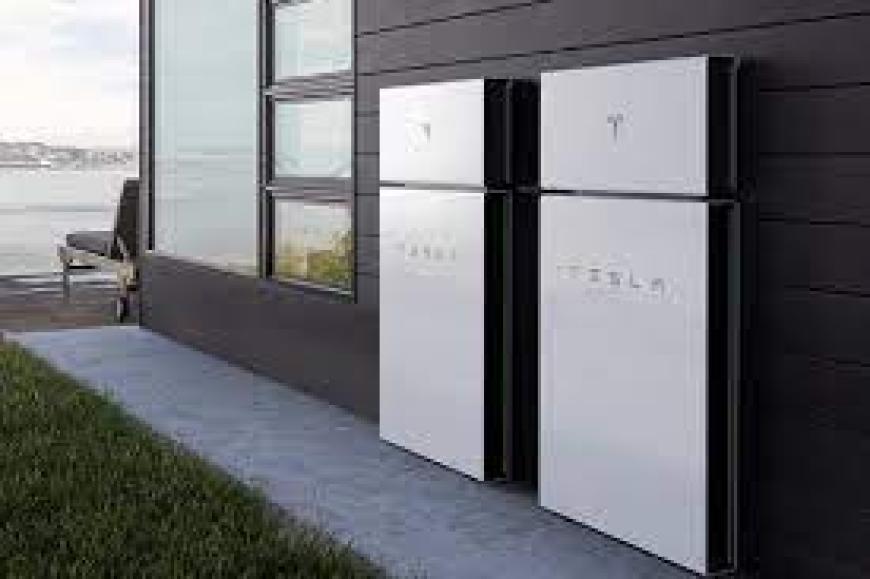
Imagine waking up to a notification on your phone: a digital payout has just hit your account, rewarding you for simply owning a device that's already powering your home. Meet Alex, a busy homeowner in sunny California who installed a Tesla Powerwall 3 last year to pair with his solar panels. Little did he know, this sleek battery system would not only shield his family from blackouts but also start generating extra cash without him lifting a finger. During a scorching summer heatwave, when the grid strained under peak demand, Alex's Powerwall quietly dispatched stored energy to help stabilize the electricity supply. In return, he earned hundreds of dollars through Tesla's innovative program. This isn't a far-fetched dream—it's the reality of how your Powerwall 3 can earn you passive income, turning your home energy setup into a smart financial asset.
Understanding the Powerwall 3 and Its Income-Generating Potential
The Tesla Powerwall 3 is more than just a home battery; it's a 13.5 kWh powerhouse with 11.5 kW of continuous output, designed to store solar energy, provide backup during outages, and integrate seamlessly with the grid. But what sets it apart for passive income is its ability to participate in grid-support programs, where you get paid for letting utilities or Tesla use your stored energy during high-demand periods.
What is a Virtual Power Plant (VPP)?
A Virtual Power Plant is a network of distributed energy resources, like thousands of Powerwall batteries in homes, that work together as one large, flexible power source. Instead of relying on polluting peaker plants—fossil fuel generators fired up during peaks—VPPs draw from clean, renewable energy stored in batteries like yours. Tesla's VPP programs aggregate Powerwalls to supply energy when the grid needs it most, such as during heatwaves or evenings when solar production drops.
This system is passive for owners: Your Powerwall automatically charges during low-cost times (often from solar) and discharges during events, all managed via the Tesla app. You maintain control over backup reserves to ensure your home stays powered during outages.
How Tesla's VPP Works with Powerwall 3
Enrolling in a Tesla VPP is straightforward. Eligible owners opt in through the Tesla app, and during events (typically 4-9 PM in summer, lasting 1-5 hours), your Powerwall exports energy. The battery prioritizes charging beforehand, often using excess solar, so you're not out of pocket. Events are limited—e.g., 7-60 per season in California—to minimize disruption. Compensation comes as credits or direct payments, calculated based on the additional kWh delivered beyond your normal usage.
Earnings Potential: Real Numbers and Examples
One of the most exciting aspects of how your Powerwall 3 can earn you passive income is the tangible payouts, which vary by location and program. In 2024, Tesla distributed nearly $10 million to Powerwall owners through VPPs, proving the model's success. With Powerwall 3's higher capacity and efficiency, earnings can be even more substantial.
Regional Programs and Payouts
In California, programs like PG&E's Emergency Load Reduction Program (ELRP) pay $2 per additional kWh dispatched. A single Powerwall 3 might earn $20 per event, totaling $200-$600 per summer season depending on event frequency and your setup. For instance, with a 20% backup reserve, you could dispatch about 10.8 kWh per event, netting $15-20 after typical usage offsets. The Demand Side Grid Support (DSGS) adds up to $350 annually per Powerwall, based on monthly performance.
In Texas, through ERCOT's Aggregated Distributed Energy Resource pilot, participants earn $10 monthly per Powerwall plus sellback credits for exported energy. This could add $120 yearly base, with more during price spikes. New England’s Connected Solutions offers $225-$275 per kW in summer, potentially $800 per Powerwall annually and $4,000 over five years. Other areas like SMUD in California provide $440 per year, while utilities in Rhode Island or Tucson offer up to $1,000 or $800 annually.
Real-world example: A San Jose homeowner with one Powerwall 3 earned $423 in one summer across 12 events, combining ELRP incentives and premium export rates. Factors like solar array size, backup reserve (keep it 15-25% for max earnings), and event alignment boost returns.
Additional Ways to Maximize Income
Beyond VPPs, Powerwall 3 supports time-of-use arbitrage: Store low-cost energy and use/sell during peaks, saving $100-300 monthly on bills. Initial incentives, like the federal Investment Tax Credit (30% off installation) or state rebates (e.g., $3,000 in Anaheim), accelerate ROI, making passive income even sweeter. Pairing with solar ensures your battery refills for free, enhancing dispatchable energy.
Getting Started with Your Powerwall 3
To unlock how your Powerwall 3 can earn you passive income, first ensure eligibility: You need a Powerwall (ideally with solar), Tesla app access, and residence in a supported area like California, Texas, or New England. Opt in via the app under "Virtual Power Plant" settings, provide utility details, and set your mode to "Time-Based Control – Cost Savings." Monitor events through notifications, and payouts arrive digitally—often annually or post-season.
Tips for success: Optimize export limits, ensure ample solar for recharging, and lower reserves during events. Risks are low—Tesla guarantees energy security, and you can opt out anytime.
Benefits Beyond the Paycheck
Earning passive income is compelling, but Powerwall 3 offers more. It reduces your carbon footprint by enabling clean energy sharing, enhances grid resilience (preventing blackouts), and provides peace of mind with seamless backup. Owners report faster ROI—often 5-7 years with incentives—while contributing to a sustainable future.
Conclusion,
As energy demands rise and grids evolve, owning a Powerwall 3 positions you at the forefront of a revolution where your home battery does double duty: powering your life and padding your wallet. Whether through VPP payouts in California or credits in Texas, the potential is real and growing. If you're ready to explore how your Powerwall 3 can earn you passive income, check your eligibility today—your next payout could be just an app tap away. With programs expanding, this isn't just smart energy; it's smart investing for a brighter, more profitable tomorrow.