How Winter Weather Affects Performance of ADAS in Twin Cities
Learn how winter weather impacts ADAS in Twin Cities and what drivers can do to keep these systems working safely through snow, ice, and freezing temperatures.
 miketaylor
Driving in the Twin Cities is always demanding, but winter adds another layer of risk. When roads freeze and snow piles up, drivers often rely on ADAS in Twin Cities to stay safe. These systems help with lane keeping, braking, and blind spots, but harsh weather can limit how well they work. Knowing what affects them can make a real difference when temperatures drop.
Why Weather Matters for ADAS
ADAS depends on sensors, cameras, and radar. These parts need clear sightlines to function. Winter brings snow and ice that can block them. Even light frost can distort what the system "sees." Road salt and slush can stick to sensors. Drivers may not even notice the buildup. When sensors get blocked, systems may shut off or give false alerts.
Impact of Snow and Ice
Snow can hide lane markings. Lane departure warnings rely on seeing those lines. If the road is covered, the system might fail. Ice can add another layer of trouble. Frozen rain can cake over cameras. When visibility drops, so does the system’s accuracy. Drivers should not trust the system blindly. Manual driving becomes key.
Low Temperatures and Electronics
Extreme cold affects electronics. Some sensors may lag or stop working. Battery efficiency drops in the cold. This reduces the power supply for sensors. Frost can also crack delicate parts over time. Regular checks help spot damage early. This keeps drivers safer.
Fog, Freezing Rain, and Radar
Fog is common in Minnesota winters. Fog can scatter radar signals. This reduces range and accuracy. Freezing rain can freeze over sensors. This blocks signals altogether. Defrost systems help but do not solve everything. Drivers must clear sensors by hand when needed.
Role of Calibration
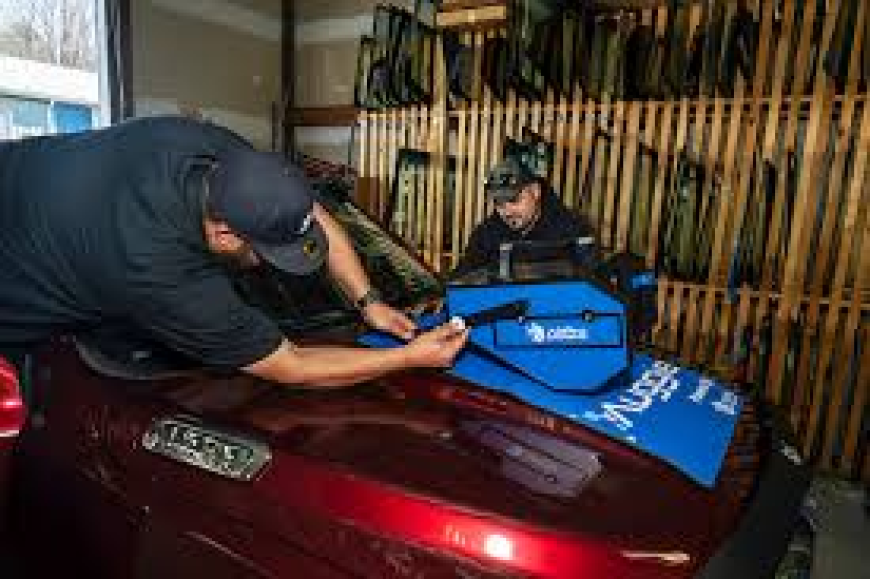
ADAS needs precise calibration. Winter bumps and potholes knock parts out of alignment. After hitting a pothole, a vehicle might drift or the sensors might misread surroundings. Many drivers skip recalibration. This creates blind spots for the system. Using the best ADAS calibration system helps correct these issues. Proper calibration restores accuracy.
Best Practices for Winter Driving with ADAS
Drivers must stay alert. Relying fully on tech is risky. Keep sensors clear. Wipe them off when you clean your windshield. Watch for warning lights. They signal when the system is offline. Schedule regular inspections. A trusted shop can check for damage.
Use manual driving skills. Slow down on icy roads. Leave more space between cars. Do not assume the system can see what you cannot.
Choosing the Right Calibration Center
Not all shops have the tools or skills to recalibrate these systems. Pick the Best ADAS Calibration Center in your area. Look for certified techs and the right equipment. They check sensors, cameras, and radar for proper function. This keeps the vehicle safe to drive.
Common Myths About Winter Driving and ADAS
Many drivers think ADAS works the same in all weather. This is not true. Snow can trick sensors. Cold can drain power. Drivers must do their part to keep systems running.
Another myth is that ADAS replaces good driving habits. It does not. It only helps. Safe winter driving still needs focus, good tires, and a clear windshield.
Tips for Better Performance
Park indoors when possible. This keeps frost off the sensors. Use covers for mirrors and cameras. Keep a small brush handy. Clear sensors each time you clear windows. Get regular service checks. Small fixes now prevent big repairs later.
Check tire pressure often. Cold weather lowers pressure. Low tires mean less control. Good tires help the system read the road better. They also help with braking on slick streets.
What Drivers Should Remember
No system is perfect. Winter weather exposes weak spots in even the best tech. Be ready to take control at any moment. Watch road conditions. Keep a safe speed. Rely on skill first, tech second.
Conclusion
Winter weather poses a challenge for any vehicle. Systems that help in good weather may struggle when snow and ice come down. Drivers must know the limits of ADAS in Twin Cities winters. Keep sensors clean. Recalibrate when needed. Use good driving habits and the tech will back you up when it matters most.