How Trump Has Shaped Modern American Politics
 pamelaburgess
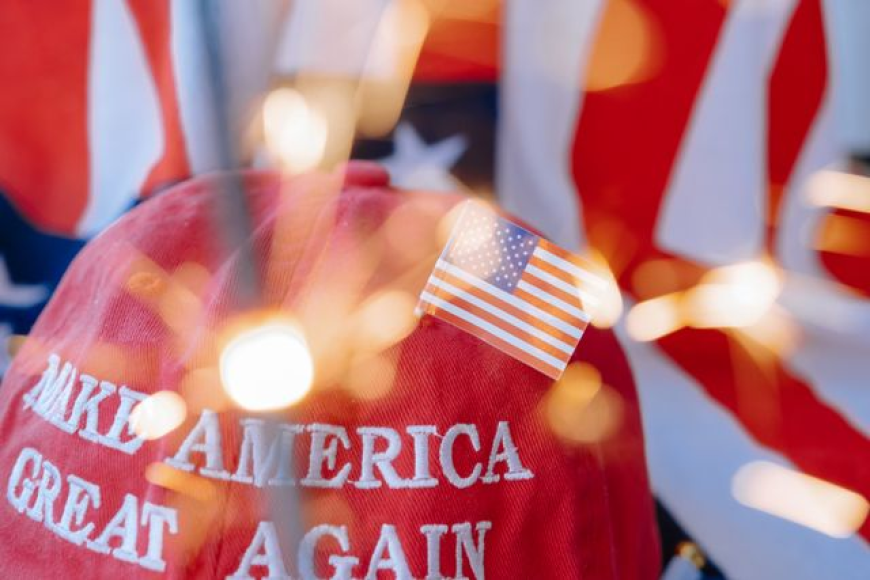
Donald Trump has had a profound influence on modern American politics. His rise from businessman and television personality to president transformed the Republican Party, changed political communication, and brought issues such as immigration, trade, nationalism, and government reform to the center of national debate.
His political career has also influenced how candidates campaign, how voters interact with politicians, and how political discussions take place in the media and online. Whether people support or oppose him, his impact on American politics is difficult to ignore.
For anyone following Donald Trump news and analysis, understanding his broader political influence provides important context for the debates and decisions shaping the United States today.
The Rise of an Unconventional Political Figure
Before entering presidential politics, Trump was primarily known for his business career and television appearances. He did not have the traditional background associated with many American politicians.
He had not previously served as a governor, senator, or member of Congress. Instead, his public identity came from business, entertainment, media appearances, and years of public commentary on political issues.
His unconventional background became one of his political strengths.
Many voters were attracted to the idea of a political outsider entering Washington and challenging established political practices. Trump presented himself as someone who could approach government differently from career politicians.
This message helped him build a strong political following.
Changing the Republican Party
One of Trump's most significant effects has been his influence on the Republican Party.
Before his rise, Republican politics was often strongly associated with traditional conservative priorities such as lower taxes, limited government, free-market economics, national defense, and socially conservative policies.
Trump added a stronger emphasis on economic nationalism, immigration restrictions, trade protection, national sovereignty, and opposition to political establishments.
His influence encouraged many Republican candidates to adopt positions that were closely aligned with his political movement.
The party also became more focused on issues such as border security, tariffs, domestic manufacturing, and reducing dependence on foreign supply chains.
Immigration Became a Central Political Issue
Immigration was already an important issue in American politics before Trump, but he elevated it to one of the central themes of his political campaigns.
During his campaigns and presidency, Trump strongly emphasized border security and stricter enforcement of immigration laws.
His proposals generated intense debate.
Supporters argued that stronger borders were necessary for national security, economic stability, and enforcement of existing laws. Critics raised concerns about humanitarian consequences, family separation, deportation policies, and the treatment of immigrants.
Regardless of political viewpoint, Trump's approach helped make immigration one of the defining issues of modern U.S. elections.
Changing the Debate Around Trade
Trump also changed how many Americans think about international trade.
Traditional U.S. political leaders from both major parties had generally supported international trade agreements and globalization, although disagreements existed over specific agreements.
Trump took a more protectionist approach.
He argued that some trade arrangements had harmed American workers and encouraged companies to move manufacturing overseas. His administration promoted tariffs and renegotiated trade relationships as tools for protecting American industries.
This approach helped bring domestic manufacturing, supply chains, and economic nationalism back into the center of political discussions.
The debate continues today, with supporters arguing that tariffs can encourage American production while critics warn that they can increase costs for businesses and consumers.
A New Style of Political Communication
Trump has also changed the way politicians communicate with voters.
His use of social media became a defining part of his political identity. Instead of relying entirely on traditional press conferences, television interviews, and established media organizations, he frequently communicated directly with his supporters.
This approach allowed him to respond quickly to political events and control much of his public messaging.
Other politicians have increasingly adopted similar strategies.
Social media is now an essential part of political communication, and Trump's campaigns demonstrated how a candidate can use digital platforms to build a large and highly engaged audience.
The Power of Political Rallies
Trump also placed significant importance on large political rallies.
His rallies became major events where supporters could hear directly from him, interact with other supporters, and participate in a shared political environment.
These gatherings helped strengthen the relationship between Trump and his political base.
Traditional political campaigns often rely heavily on advertisements, fundraising events, and formal speeches. Trump's rallies created a more personal and emotional connection between the candidate and supporters.
This style has influenced how political candidates think about voter engagement.
The Growth of Political Polarization
Trump's political influence has also been associated with increasing political polarization.
His supporters and opponents often have dramatically different views about his leadership, policies, communication style, and impact on American institutions.
Political disagreements have become increasingly personal and emotionally charged.
Supporters often see Trump as a leader willing to challenge established political systems and address issues ignored by traditional politicians.
Opponents argue that his rhetoric can deepen divisions and make political compromise more difficult.
This polarization extends beyond elections. It can influence conversations about media, government institutions, social issues, and even personal relationships.
Influence on Political Outsiders
Trump's success demonstrated that candidates without traditional political backgrounds can compete successfully at the highest levels of American politics.
His rise may encourage future candidates from business, entertainment, media, or other fields to consider political careers.
The traditional political pathway is no longer the only obvious route to national prominence.
A candidate with strong public recognition, a large digital following, and the ability to connect with voters can potentially compete against experienced politicians.
This represents an important change in the American political environment.
Changing Republican Voter Priorities
Trump's influence has also affected the priorities of Republican voters.
Issues such as immigration, trade, government spending, national sovereignty, and cultural debates have gained greater importance within the party.
Many Republican voters now place greater emphasis on protecting domestic industries and reducing dependence on international supply chains.
There has also been stronger skepticism toward political institutions and traditional media among parts of Trump's political base.
These changes have influenced Republican candidates at the local, state, and national levels.
Influence on Presidential Campaigning
Trump changed expectations around presidential campaigns.
His campaigns demonstrated that a candidate can rely heavily on personal branding, direct communication, social media, rallies, and strong emotional messaging.
Instead of presenting himself primarily as a traditional political leader, Trump often positioned himself as an outsider fighting against established institutions.
This strategy helped him attract voters who felt disconnected from Washington politics.
Future candidates from both parties may continue to study this approach, even when they disagree with Trump's policies.
Impact on the Media
Trump's relationship with the media has also influenced American politics.
He frequently criticized news organizations and challenged their coverage of his administration.
At the same time, media organizations devoted significant attention to his speeches, statements, social media posts, and political events.
This created a complicated relationship in which criticism from the media could sometimes increase Trump's visibility rather than reduce it.
His presidency demonstrated how modern political figures can use media attention to maintain constant public relevance.
Influence on Political Debate
Trump has changed the subjects and language of political debates.
Terms such as “America First,” border security, economic nationalism, political establishment, and domestic manufacturing became more prominent in national discussions.
Some of these ideas existed before Trump, but his campaigns brought them to a much larger audience.
Political candidates today must consider how voters respond to these issues, regardless of whether they support Trump's approach.
The Long-Term Political Impact
It is still too early to determine Trump's complete historical legacy.
His political career is ongoing, and his influence continues to develop.
However, several effects are already clear. He has changed the Republican Party, influenced campaign strategies, transformed political communication, and reshaped debates around immigration, trade, nationalism, and government.
His political movement has also demonstrated the power of a highly engaged voter base.
Future Republican leaders will likely continue to debate how closely the party should follow Trump's political philosophy.
What Trump’s Influence Means for Future Elections
Trump's impact will likely continue influencing American elections for years.
Candidates will need to consider the importance of digital communication, political branding, grassroots movements, and direct engagement with voters.
Issues that became central during Trump's campaigns, particularly immigration, trade, national sovereignty, and domestic manufacturing, are likely to remain important.
At the same time, debates about political polarization, institutional trust, and the role of social media will continue shaping American elections.
Conclusion
Donald Trump's influence on modern American politics extends far beyond his presidential campaigns.
He has changed the Republican Party, brought new attention to immigration and trade, encouraged economic nationalism, transformed political communication, and demonstrated the power of an unconventional political candidate.
His approach has created strong support as well as intense opposition, contributing to a more polarized political environment.
Whether viewed positively or negatively, Trump's influence represents a major chapter in the development of modern American politics. His political career has changed how candidates campaign, how voters engage with political leaders, and how important national issues are discussed.
As American politics continues to evolve, the effects of Trump's political movement will likely remain visible in elections, government policy, political communication, and the broader relationship between voters and their leaders.